



















































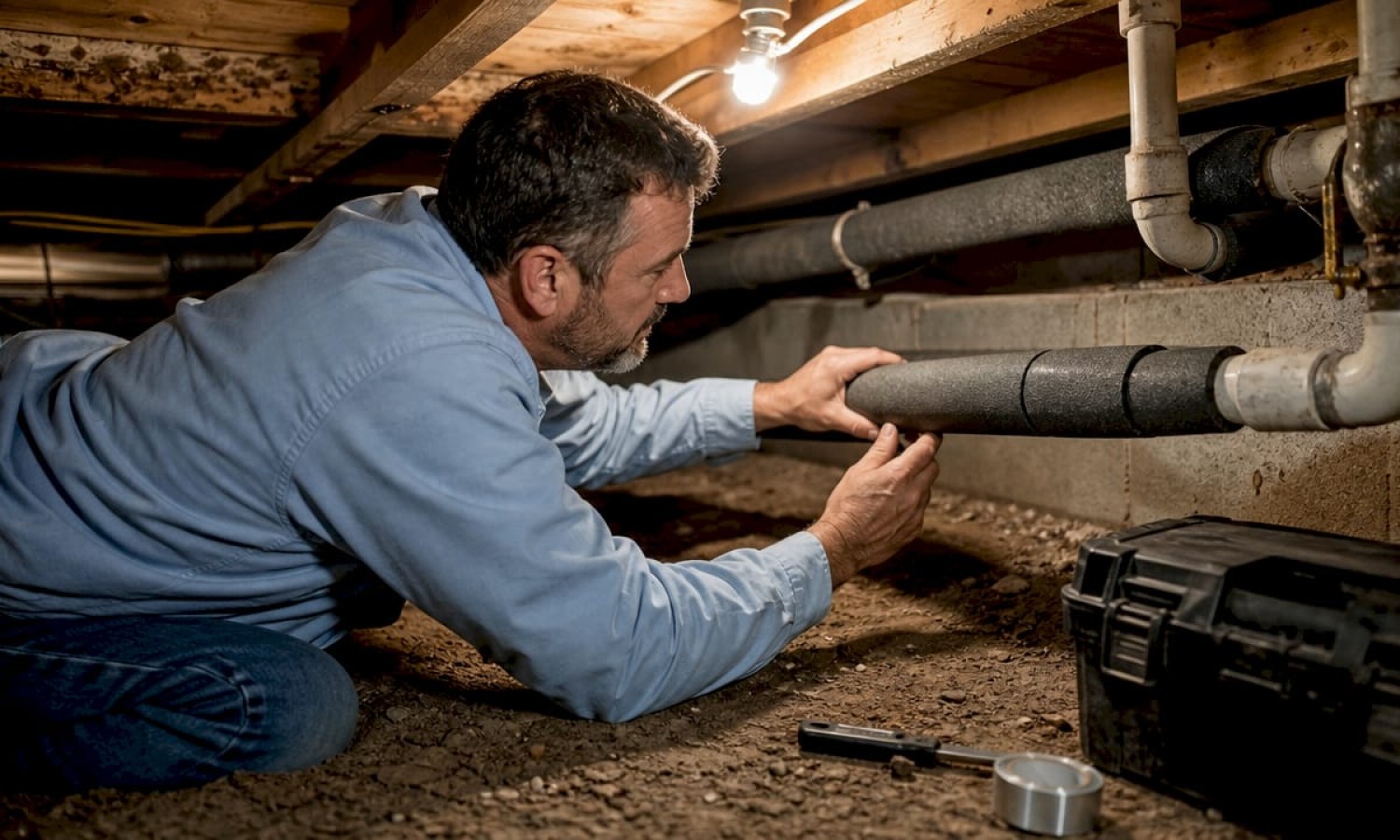

What Is Pipe Insulation and Why Your Home Needs It
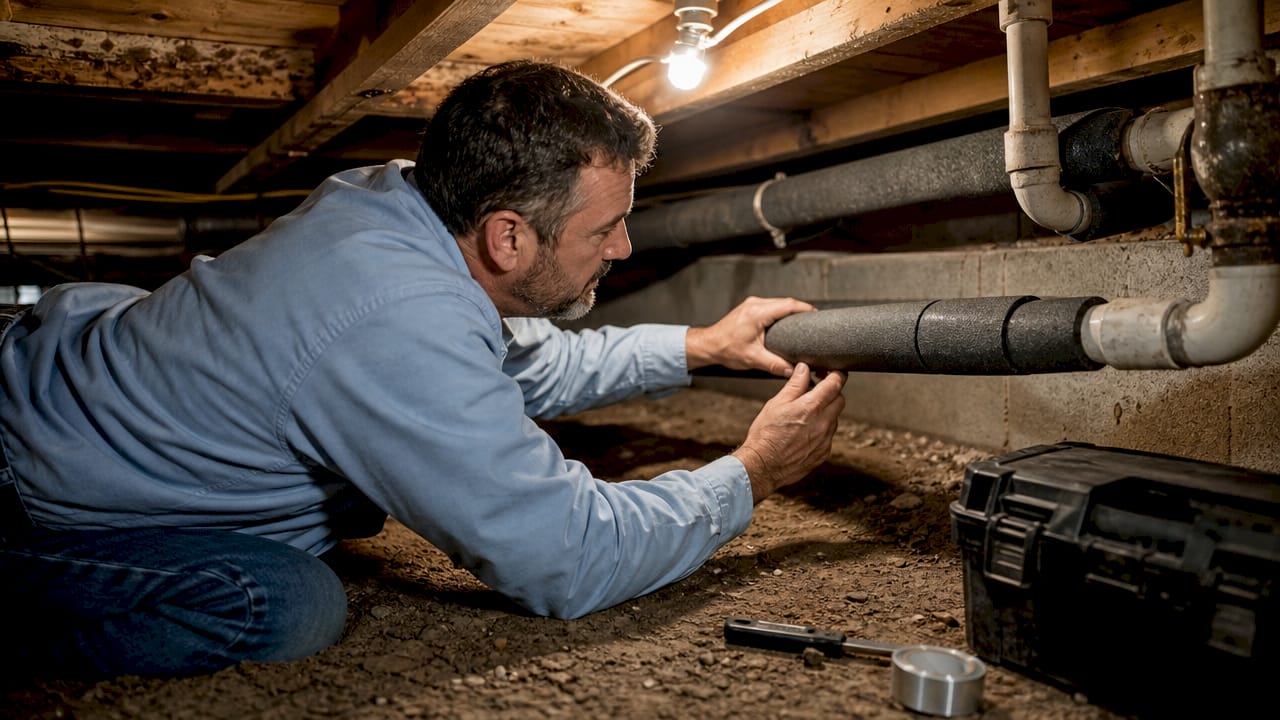
TL;DR:
- Pipe insulation covers pipes to conserve heat, prevent condensation, and reduce noise in plumbing systems. It offers substantial energy savings, with DIY projects paying back their costs within two years and providing added benefits like noise reduction and freeze delay. Proper selection, measurement, and installation are key to maximizing insulation effectiveness and home efficiency.
Pipe insulation is a thermal or acoustic covering wrapped around pipes to maintain temperature, reduce heat loss, prevent condensation, and dampen noise in plumbing systems. The industry term for this practice is “pipe lagging,” though most homeowners simply call it pipe insulation. Pipe insulation serves four core purposes: energy efficiency, temperature maintenance, condensation prevention, and noise reduction. These are not minor perks. The U.S. Department of Energy confirms that insulating accessible hot water pipes can reduce heat loss by 7%–16% and cut water heating costs by 3%–5% annually. For a homeowner looking to cut utility bills without a major renovation, that return is hard to beat.
What materials are used for pipe insulation?
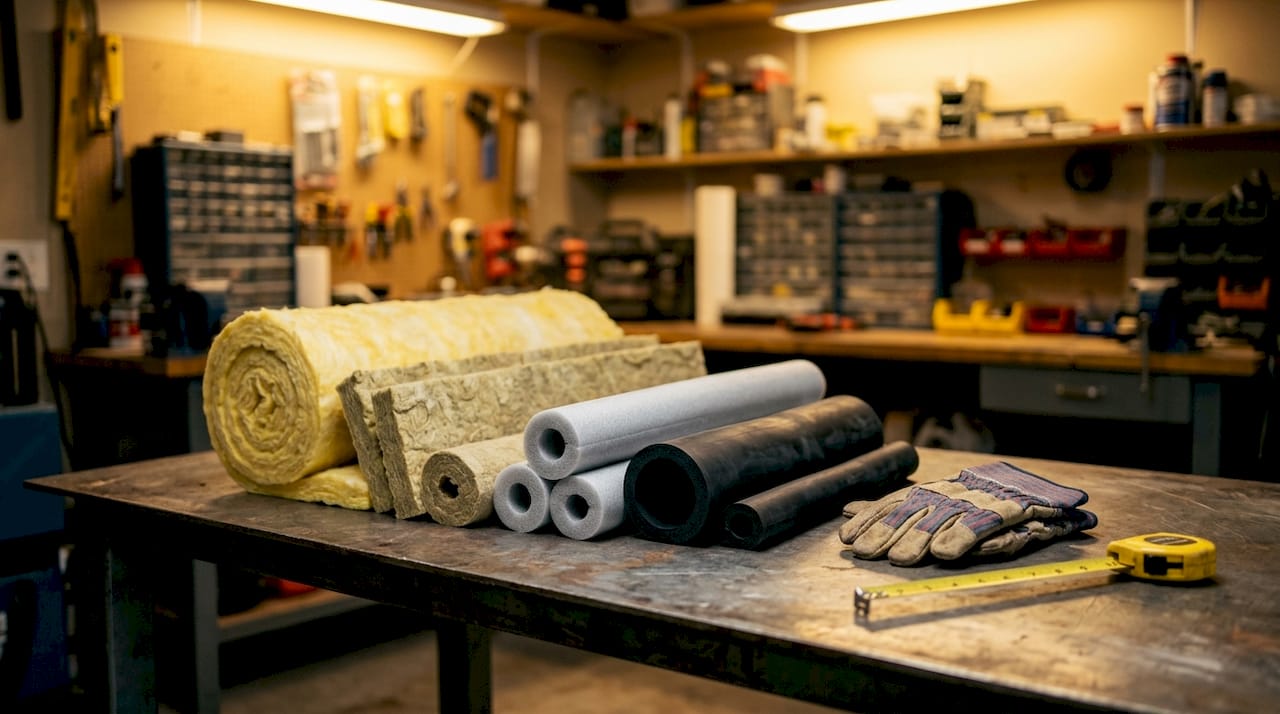
Common pipe insulation materials include polyethylene foam, neoprene foam, fiberglass, mineral wool, and elastomeric rubber foam. Each material has a different thermal rating, moisture tolerance, and ideal application. Choosing the wrong one for your pipe type or environment reduces effectiveness and can cause long-term damage.
Here is how the main materials compare:
| Material | Best Use | Moisture Resistance | Typical Form |
|---|---|---|---|
| Polyethylene foam | Dry indoor pipes | Low to moderate | Pre-slit sleeves |
| Neoprene foam | Cold water, moderate moisture | Moderate | Sleeves, wraps |
| Elastomeric rubber | Moist or exposed areas | High | Flexible tubes |
| Fiberglass | High-temperature pipes | Low (needs vapor barrier) | Wrap or batts |
| Mineral wool | Fire-rated or high-heat zones | Low (needs vapor barrier) | Rigid sections |
Material selection depends on three factors: pipe temperature, moisture exposure, and pipe diameter. Foam sleeves suit dry indoor use, while elastomeric rubber performs better in moist or exposed environments like basements and crawl spaces. Fiberglass and mineral wool handle high heat well but require a separate vapor barrier to prevent moisture from saturating the insulation.
Vapor barriers deserve special attention on cold pipes. Without a vapor retarder, moisture migrates into open-cell insulation, soaks it through, and accelerates pipe corrosion. Closed-cell foams like elastomeric rubber act as their own vapor barrier, which is why they are the preferred choice for cold water lines in humid spaces.
What are the primary benefits of insulating pipes?
Pipe insulation delivers measurable savings on energy bills. The Department of Energy reports that insulating hot water pipes allows homeowners to lower their water heater thermostat by 2°F–4°F, saving 3%–5% per year on water heating costs. Proper insulation thickness meeting ASHRAE 90.1 standards can reduce heat loss along pipe runs by 75%–90%. That is not a marginal gain. It is the difference between a water heater cycling constantly and one that holds temperature efficiently between uses.
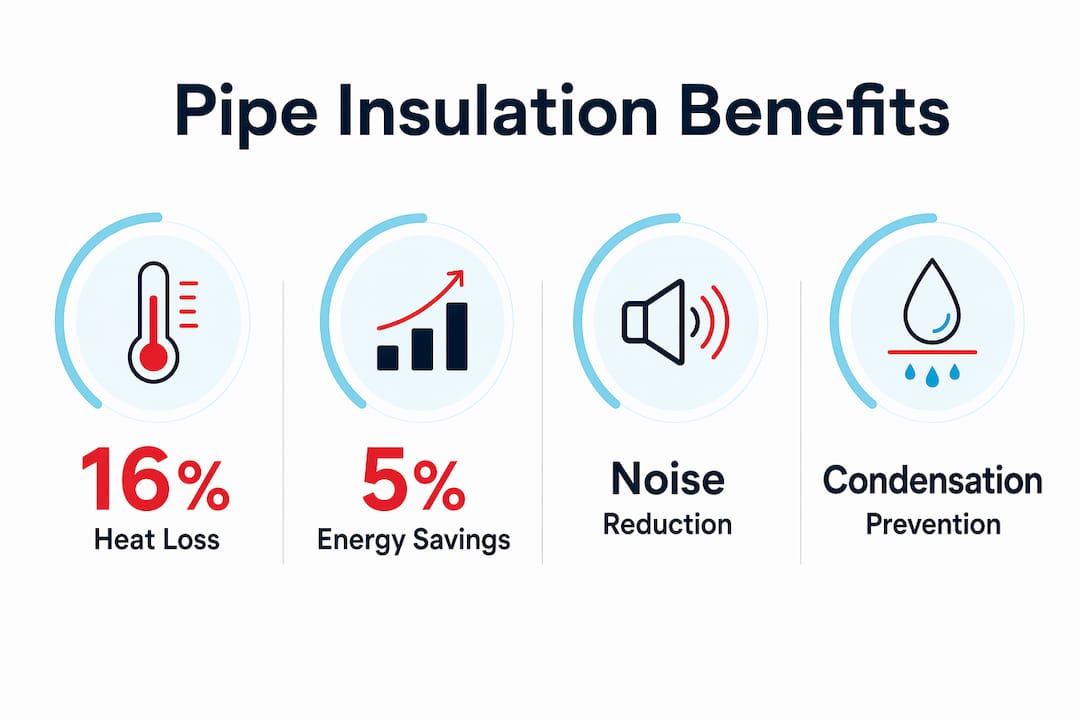
The economic case is equally strong. DIY pipe insulation pays back its material cost in under two years on hot water lines, making it one of the fastest-returning home energy upgrades available. Typical annual utility savings run $15–$30 per year per project, and the materials cost very little compared to other efficiency upgrades.
Beyond energy, pipe insulation delivers three additional benefits homeowners often overlook:
- Noise reduction. Water hammer and flow noise travel through uninsulated pipes and amplify through walls. Insulation absorbs vibration and significantly quiets plumbing systems.
- Condensation control. Cold pipes in warm, humid rooms sweat constantly without insulation. That moisture damages drywall, promotes mold, and corrodes pipe fittings over time.
- Freeze delay. Insulation slows heat loss from pipes in cold spaces, buying time during temperature drops. However, insulation alone cannot prevent freezing in sustained sub-freezing conditions without heat tracing cable.
Pro Tip: Focus first on the pipes you can see and reach. Accessible hot water lines in basements, utility rooms, and crawl spaces give you the fastest payback with the least effort.
Thermal insulation of pipework is also a recognized decarbonization measure that most homeowners and building specifiers overlook. Reducing standby heat loss through well-insulated pipework cuts your home’s carbon output alongside your utility bill.
What are the best practices for installing pipe insulation?
Good installation starts with accurate measurement. Measure the outer diameter of the pipe before buying sleeves. Insulation that is too wide leaves gaps at the seam; insulation that is too narrow compresses and loses its thermal rating. ASHRAE 90.1 specifies minimum insulation thickness by pipe size and fluid temperature. For most residential hot water lines, 1 inch of foam insulation meets or exceeds that standard.
Follow these steps for a clean, effective installation:
- Start at the water heater. Insulate the first 3–5 feet of pipe directly from the heater. This is where thermosiphoning causes the most standby heat loss. Thermosiphoning is the process where hot water naturally circulates and cools inside pipes even when no tap is running.
- Cut sleeves cleanly. Use a utility knife or scissors to cut foam sleeves to length. Angled cuts fit elbows and T-joints better than straight cuts.
- Seal every seam. Use foil tape or self-sealing adhesive to close the lengthwise slit in pre-slit sleeves. Gaps in the seam are the most common cause of reduced performance.
- Secure at regular intervals. Fasten insulation every foot or two with cable ties or tape. Loose insulation sags, creates gaps, and loses contact with the pipe surface.
- Protect vapor barriers. On cold pipes, never puncture or compress the vapor barrier layer. Damaged barriers allow moisture to enter and defeat the purpose of insulation entirely.
Pro Tip: Wear gloves and a dust mask when handling fiberglass insulation. The fine glass fibers irritate skin and lungs. Foam and elastomeric rubber products are much safer for DIY work with no special protective gear needed.
Safety matters on hot pipes too. Let pipes cool before handling them or applying insulation. Foam products have maximum temperature ratings, typically around 200°F for polyethylene. Exceeding that rating causes the foam to degrade and off-gas. Check the DIY plumbing tools guide at Santehnikasveikals for a list of tools that make this job easier and safer.
How to choose the right pipe insulation for your home
The right insulation type depends on four variables: pipe material, fluid temperature, location, and moisture level. Matching these factors to material properties prevents both underperformance and premature failure.
Use this decision framework before buying:
- Hot water pipes indoors (dry spaces). Polyethylene foam sleeves are the standard choice. They are inexpensive, easy to cut, and handle temperatures up to 200°F. They meet ASHRAE 90.1 requirements for most residential applications.
- Cold water pipes in humid spaces. Elastomeric rubber foam is the correct choice. Its closed-cell structure blocks moisture vapor without a separate barrier. Neoprene foam works as a secondary option in moderately humid areas.
- High-temperature heating pipes. Fiberglass or mineral wool sections handle temperatures well above what foam can tolerate. Always add a vapor barrier jacket over these materials in any space with humidity.
- Exposed outdoor or crawl space pipes. Elastomeric rubber with UV-resistant jacketing holds up against temperature swings and physical wear. Standard foam degrades quickly when exposed to sunlight.
- Visible pipes in finished rooms. Rigid foam sections with a smooth finish or foam covered with PVC jacketing look clean and professional. Aesthetics matter when insulation is in plain sight.
Thickness is as important as material type. Thicker insulation reduces heat loss more, but there is a point of diminishing returns. For most residential hot water pipes, 1 inch of foam insulation captures the majority of available savings. Going to 1.5 inches adds marginal benefit unless the pipe runs through an unheated space like an attached garage or uninsulated basement. Reviewing 2026 plumbing regulations can clarify minimum thickness requirements in your region.
For cold climates with genuine freeze risk, insulation is a delay tactic, not a solution. Pair insulation with heat tracing cable on any pipe that runs through an unheated exterior wall or crawl space. The insulation holds the cable’s warmth in place and makes the system far more effective than either method alone.
Key Takeaways
Pipe insulation is one of the highest-return, lowest-cost upgrades a homeowner can make, delivering energy savings, noise reduction, and pipe protection with materials that pay back their cost in under two years.
| Point | Details |
|---|---|
| Energy savings are real | Insulating hot water pipes cuts heat loss by 7%–16% and reduces water heating costs by 3%–5% annually. |
| Material choice matters | Match insulation to pipe temperature and moisture level; elastomeric rubber suits humid spaces, foam suits dry indoor runs. |
| Start at the water heater | Insulating the first 3–5 feet from the heater delivers the biggest reduction in standby heat loss. |
| Seal every gap | Unsealed seams and loose fastening are the most common causes of underperforming pipe insulation. |
| Insulation does not prevent freezing | In sustained cold, pair insulation with heat tracing cable for reliable freeze protection. |
Why pipe insulation is the upgrade I wish more homeowners prioritized
I have looked at a lot of home efficiency projects over the years, and pipe insulation consistently sits at the bottom of most homeowners’ lists. That is a mistake. People spend thousands on new windows or smart thermostats while their hot water pipes run bare through a cold basement, bleeding heat with every minute the tap is not running.
The misconception I hear most often is that pipe insulation only matters in very cold climates. That is wrong. Hot water pipes lose heat year-round, regardless of outdoor temperature. Every foot of uninsulated hot water pipe is a small but constant drain on your water heater. Multiply that across a typical home’s pipe run and the loss adds up fast.
What surprises most homeowners is how quickly the job pays off. The materials are inexpensive. A full basement pipe insulation project often costs less than a single restaurant dinner for two. The payback period is under two years. After that, the savings are pure gain, year after year.
My honest recommendation: do the hot water pipes first, starting at the water heater. Then address any cold water pipes in humid spaces where sweating is visible. If you have pipes in an unheated crawl space or garage, add heat tracing cable alongside the insulation before the cold season arrives. This is not a glamorous project. It is a smart one.
— Renate
Pipe insulation materials and tools at Santehnikasveikals
Santehnikasveikals stocks a wide range of pipe insulation sleeves, foil tapes, and installation accessories suited for both hot and cold water applications. Whether you are insulating a single water heater run or tackling every accessible pipe in your home, the right materials make the difference between a job that lasts and one that needs redoing in two years.

Browse the full plumbing catalog at Santehnikasveikals to find insulation sleeves by diameter, vapor barrier tapes, and related plumbing supplies with delivery available across Latvia. The site also carries heating products for homeowners working on broader home efficiency upgrades alongside their pipe insulation projects.
FAQ
What is pipe insulation used for?
Pipe insulation maintains fluid temperature, reduces standby heat loss, prevents condensation on cold pipes, and dampens plumbing noise. It serves both energy efficiency and pipe protection functions in residential and commercial buildings.
What is the best pipe insulation material for hot water pipes?
Polyethylene foam sleeves are the standard choice for hot water pipes in dry indoor spaces. They meet ASHRAE 90.1 thickness requirements, handle temperatures up to approximately 200°F, and are easy to cut and install without special tools.
Does pipe insulation actually save money?
The Department of Energy confirms that insulating hot water pipes saves 3%–5% annually on water heating costs. The payback period on DIY installation is typically under two years, making it one of the fastest-returning home energy upgrades.
Can pipe insulation prevent pipes from freezing?
Pipe insulation slows heat loss and delays freezing but cannot prevent it in sustained sub-freezing conditions. For reliable freeze protection, pair insulation with heat tracing cable on any pipe running through an unheated space.
How do I know what thickness of pipe insulation to use?
Measure the outer diameter of the pipe and match it to the sleeve size. For most residential hot water lines, 1 inch of foam insulation meets ASHRAE 90.1 standards. Pipes in unheated spaces benefit from 1.5 inches to compensate for greater ambient heat loss.
Atstājiet komentāru