





















































What Is a Feature Radiator? Styles, Types, and Tips
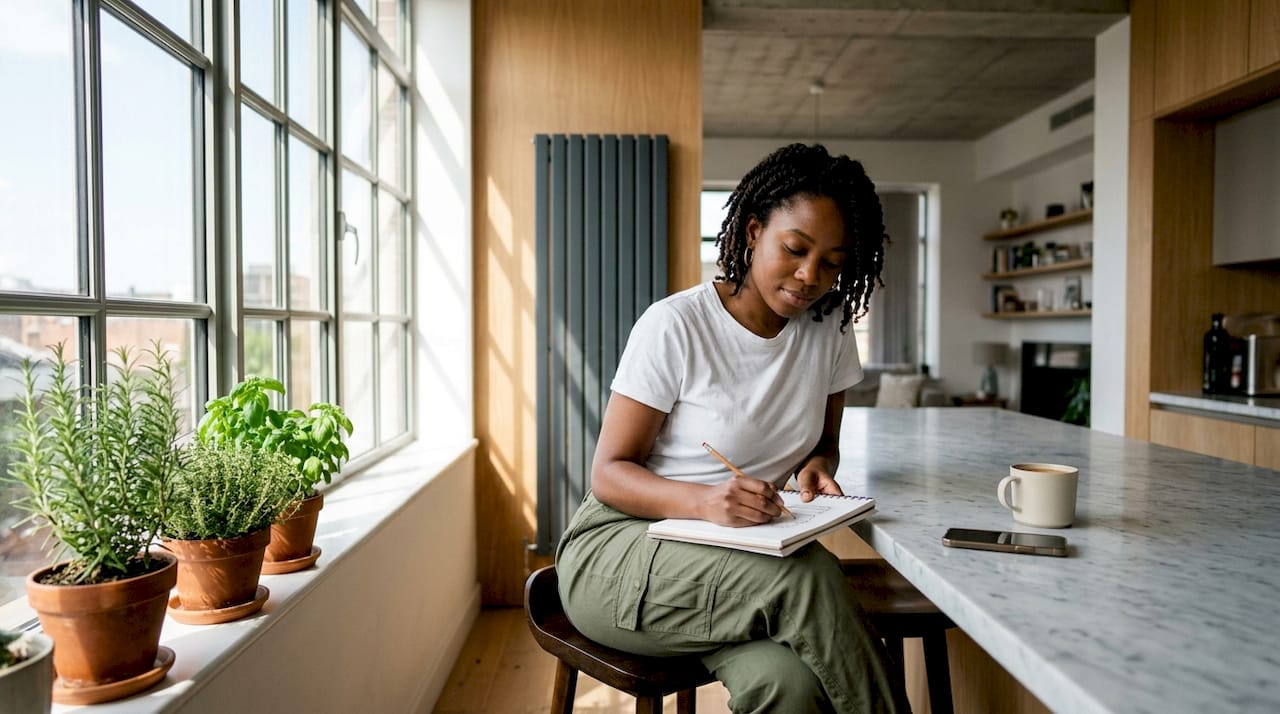
What is a feature radiator?
A feature radiator is a designer heating unit selected specifically to function as a focal point in a room, combining heating performance with deliberate visual appeal. Unlike standard panel radiators that blend into walls, feature radiators are chosen for their form as much as their function.
Key characteristics:
- Dual purpose. Heats the room while acting as a decorative design element.
- Distinctive form. Vertical units, column styles, mirror-integrated models, and custom colors are common formats.
- Intentional placement. Positioned where it will be seen, not hidden behind furniture.
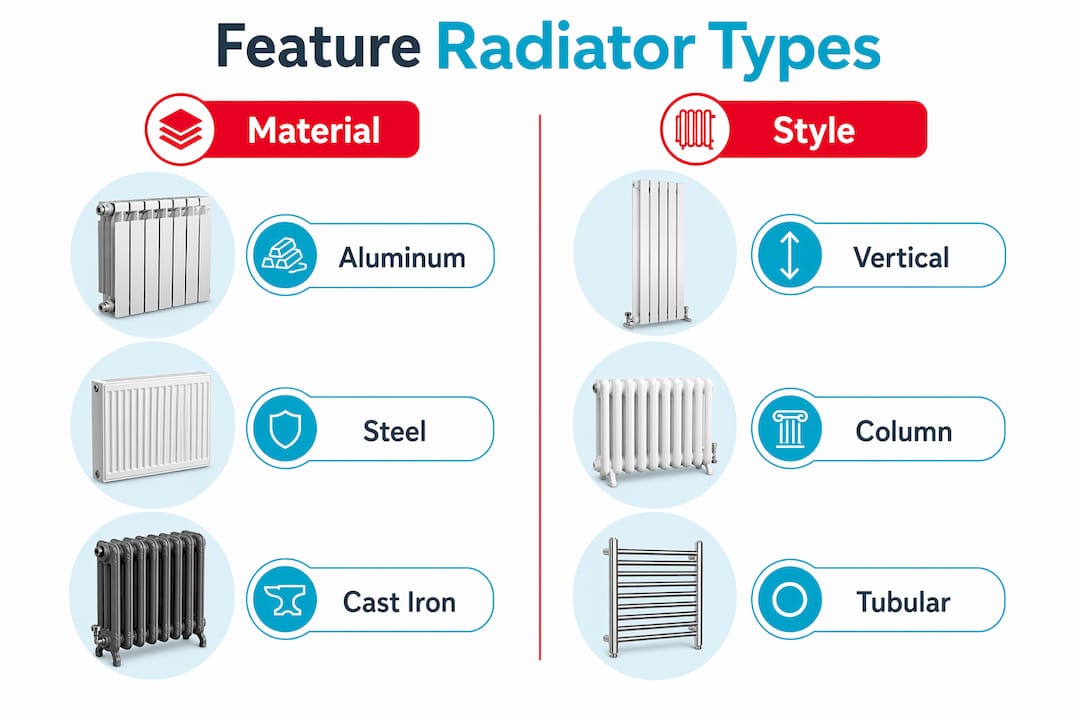
- Material variety. Available in steel, aluminum, and cast iron, each with different visual weight and finish options.
- Custom finishes. Bespoke paint colors, brushed metals, and matte coatings allow precise style matching.
The broader design trend behind these units reflects a shift in interior thinking: infrastructure like heating is now exposed and celebrated rather than concealed.
Types and styles of feature radiators
Feature radiators fall into several distinct categories, each suited to different room sizes, aesthetics, and heating needs.
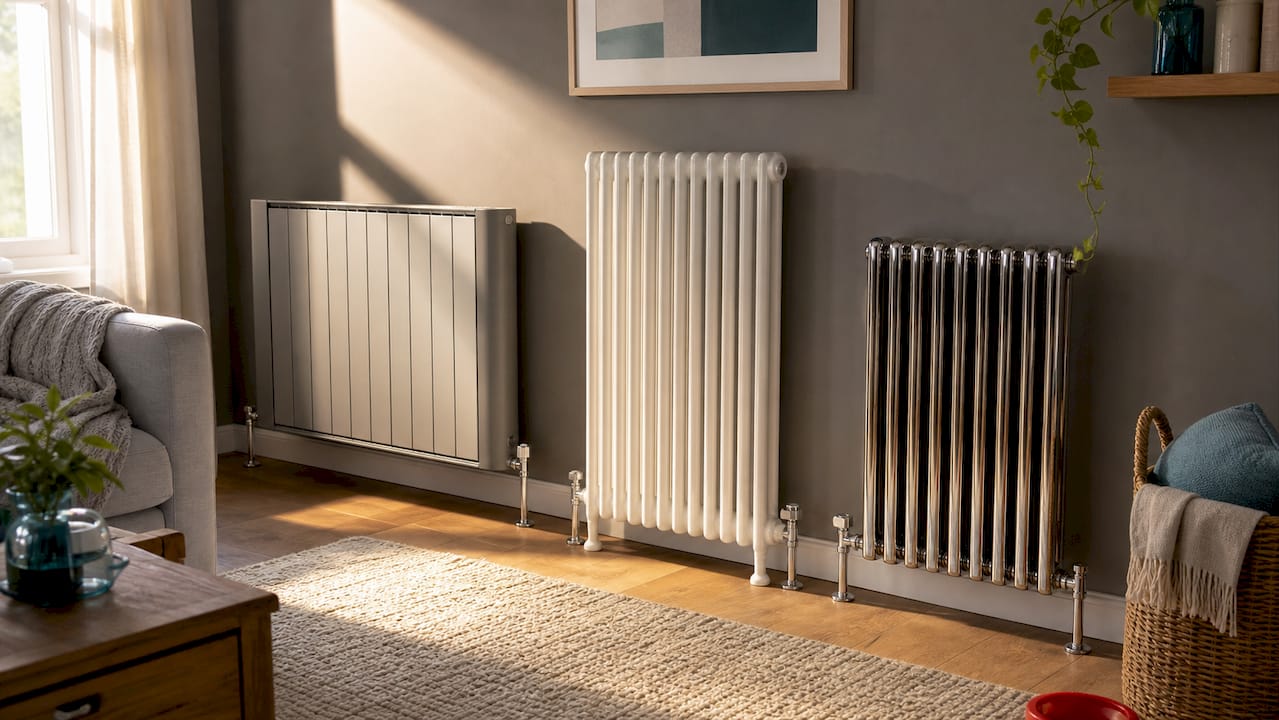
- Vertical radiators. Tall, narrow units that use wall height instead of width. Practical in hallways or rooms with limited horizontal wall space.
- Column radiators. Multi-section units with a traditional profile. Available in steel or cast iron, and highly adaptable to color matching.
- Flat-panel designer radiators. Slim, minimal profiles with a clean surface. Work well in contemporary interiors where the radiator should complement rather than dominate.
- Mirror radiators. Combine a heated panel with a wall mirror. Useful in bathrooms or bedrooms where wall space is limited.
- Memo-board radiators. Integrate a writable or magnetic surface. A practical dual-function option for kitchens or home offices.
- Sculptural or geometric models. Unusual shapes that function as wall art. Heat output varies by model, so BTU verification is critical here.
Material choices directly affect both appearance and installation. Lightweight aluminum suits modern drywall construction and heats up quickly. Cast iron carries more visual mass and suits period-style interiors, though it requires stronger wall fixings.
Pro Tip: When browsing vertical or column styles, check whether the model is available in a Type 22 configuration. A Type 22 radiator uses two panels with two fin sets, delivering significantly more heat output from the same wall footprint than a single-panel equivalent.
How to incorporate a feature radiator into your interior
Choosing a decorative radiator style is straightforward. Getting the placement and integration right takes more planning.
- Match the room’s color palette. Modern aluminum radiators can be color-matched to most paint ranges, allowing bold accent choices or subtle blending with the wall.
- Consider vertical vs. horizontal placement. Vertical units work where wall width is restricted. Horizontal models suit spaces beneath windows, where heat distribution near cold glass is beneficial.
- Treat it as a long-term investment. High-quality finishes and timeless design choices hold their appeal longer than trend-driven colors or novelty shapes.
- Check plumbing compatibility before purchasing. Switching to a feature radiator in an older system may require specialized fittings or valves to avoid hydraulic imbalances.
- Avoid choosing appearance over performance. A radiator that looks striking but cannot heat the room adequately defeats its purpose entirely.
Pro Tip: Calculate the BTU requirement for your room before selecting any model. Room dimensions, insulation quality, and window area all affect the figure. A radiator that falls short on heat output will leave the room cold regardless of how good it looks.
How feature radiators work and what affects their efficiency
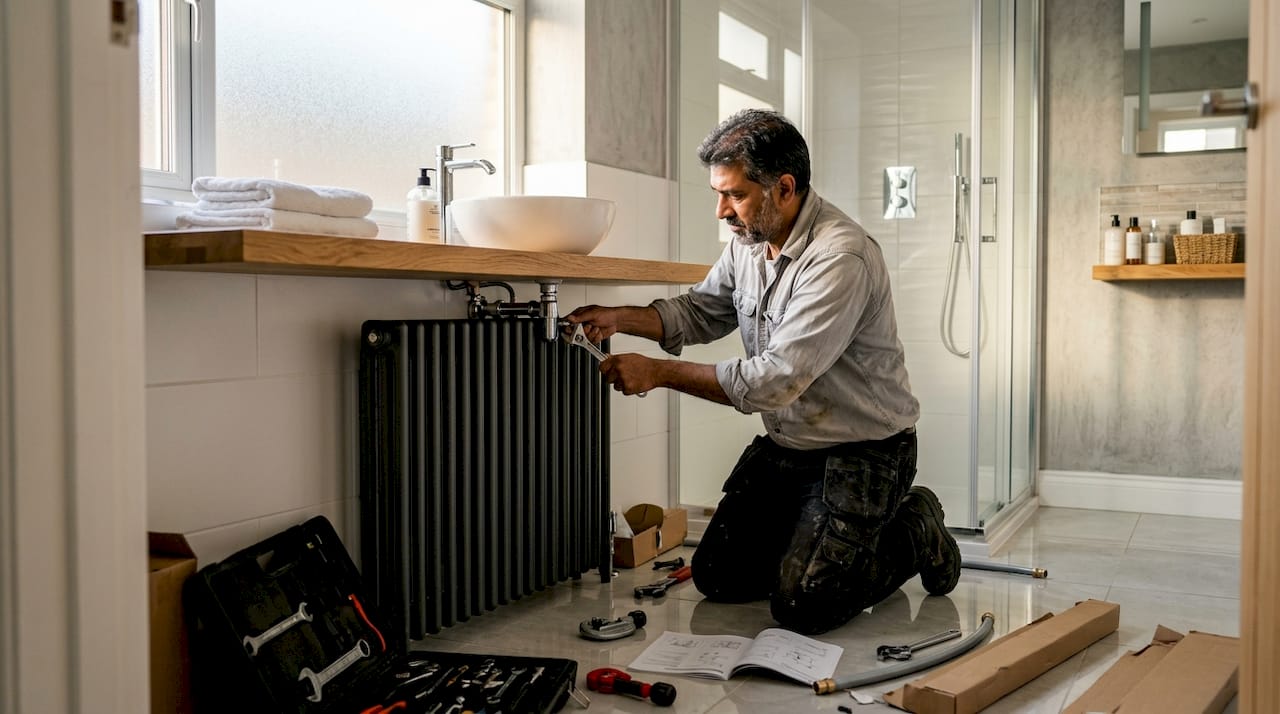
Feature radiators connect to a home’s central heating system the same way standard radiators do: hot water circulates from the boiler through the unit, transfers heat to the surrounding air, and returns cooled water back through the system. The difference is in the design, not the core mechanism.
Efficiency factors specific to feature radiators:
- BTU sizing. Accurate BTU calculations are the single most important factor. A visually striking radiator undersized for the room will underperform regardless of material or style.
- Convector fins. Convector-type radiators use internal fins to increase surface area and heat air faster. A Type 21 or Type 22 configuration delivers better output than a flat panel of the same size.
- Material and heat-up speed. Aluminum heats up faster, uses less water, and is recyclable. Cast iron retains heat longer after the boiler cycles off but takes more time to reach temperature.
- Panel configuration. Single-panel models suit smaller rooms or spaces with limited depth. Double-panel models generate substantially more heat from the same wall area.
- System compatibility. Older heating systems may need balancing or valve upgrades when a new feature radiator is added, particularly if the unit has a different water volume than the one it replaces.
For a room-specific sizing reference, the Termolux Ventil Compact Type 22 is a practical example of a high-output panel radiator suited to contemporary construction.
Maintenance and care for feature radiators
Feature radiators require straightforward upkeep, though their decorative finishes need slightly more attention than standard white panels.
Regular dusting prevents buildup in column gaps and behind vertical fins, where dust accumulates and reduces heat transfer over time. A soft cloth or a radiator brush works for most models. Avoid abrasive cleaners on painted or powder-coated surfaces, as these can scratch or dull the finish.
Bleeding the radiator once a year removes trapped air that causes cold spots and uneven heating. If the top of the unit stays cold while the bottom is warm, air is the likely cause. Annual checks on valve function keep flow rates consistent, particularly on thermostatic radiator valves that can seize if left in one position for extended periods.
For mirror-integrated or specialty surface models, follow the manufacturer’s cleaning guidance for the non-metal components. Chrome and stainless steel finishes clean well with a damp cloth and dry immediately to prevent water marks.
Key Takeaways
Feature radiators are designer heating units that serve as room focal points, requiring accurate BTU sizing to deliver both visual appeal and reliable warmth.
| Point | Details |
|---|---|
| Definition | A feature radiator is a heating unit chosen for both its design and its functional heating role in a room. |
| Types available | Vertical, column, flat-panel, mirror, and sculptural models cover most interior styles and room sizes. |
| BTU sizing is critical | Heat output must match room requirements; appearance alone does not guarantee adequate warmth. |
| Material affects performance | Aluminum heats faster and suits modern walls; cast iron retains heat longer and suits period interiors. |
| Maintenance is simple | Annual bleeding, regular dusting, and valve checks keep feature radiators performing at full output. |
Recommended
- Apkures Radiators Termolux Compact Tips 11 500x400mm Ar Sānu Pieslēgumu - 9014016
- Apkures Radiators Termolux Compact Tips 11 500x700mm Ar Sānu Pieslēgumu - 9015007
- Apkures Radiators Termolux Compact Tips 11 500x500mm Ar Sānu Pieslēgumu - 9015005
- Apkures Radiators Termolux Compact Tips 11 500x600mm Ar Sānu Pieslēgumu - 9015006
Atstājiet komentāru