




















































What Is a Designer Radiator? Features, Styles, and How to Choose
TL;DR:
- A designer radiator is a heating unit that combines functional hot water circulation with a visible, stylish appearance.
- Selecting the right size and style ensures optimal performance and aesthetic harmony within a space.
What is a designer radiator?
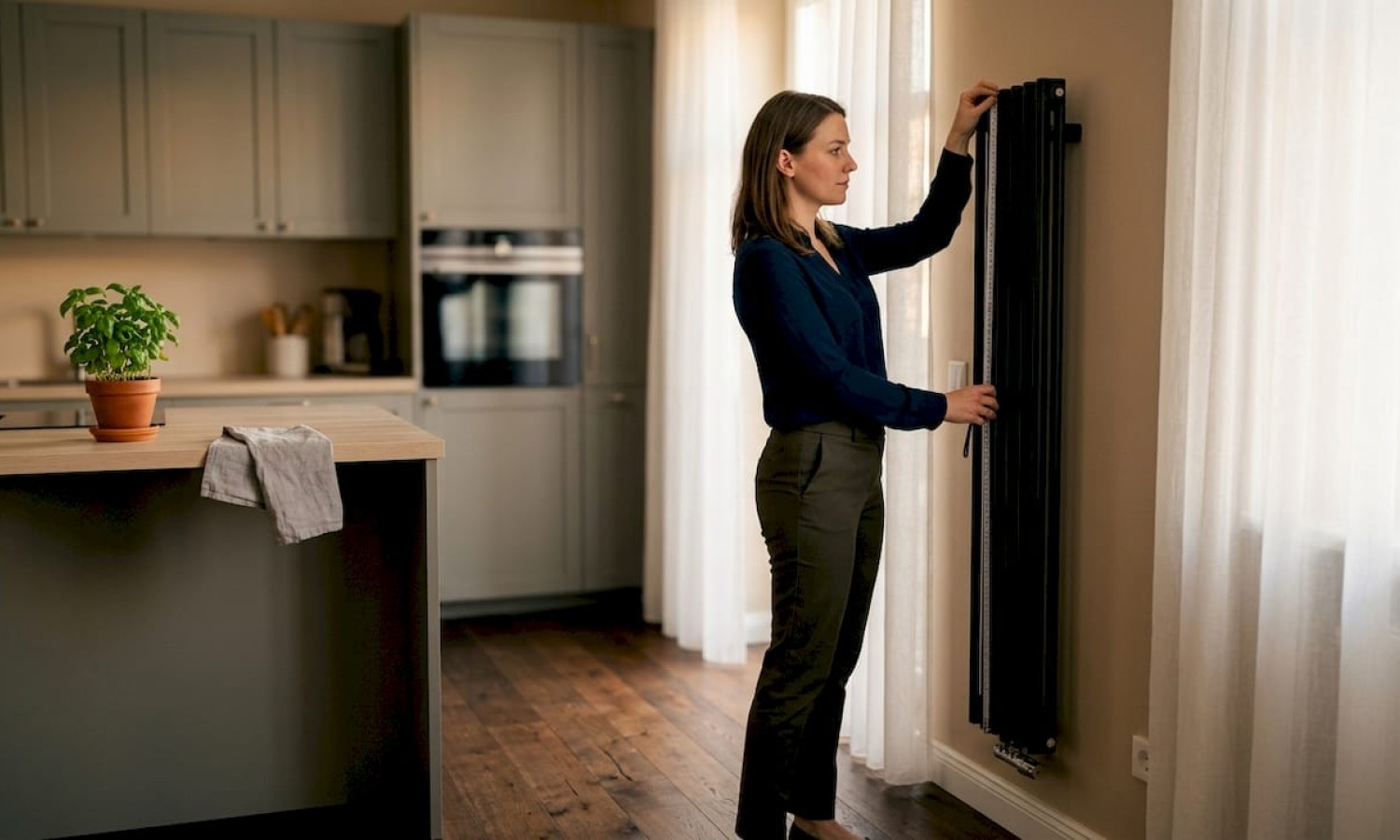
A designer radiator is a heating unit that combines functional hot water circulation with a deliberate, visible aesthetic. Unlike standard panel radiators built to blend into walls or hide behind furniture, designer radiators are meant to be seen. They operate on the same principle as any conventional radiator: hot water flows through internal channels, the surface heats up, and warmth transfers into the room.
The distinction is entirely in form. Where a standard radiator is a flat white box, a designer unit may be a tall tubular column, a curved steel panel in matte black, or a sculptural aluminum piece in a custom color. The term “designer radiator” is the common market label; in technical and trade contexts, these units are also called decorative radiators or architectural radiators.
Key features that define designer radiators:
- Visible design intent: Shapes, finishes, and orientations chosen for appearance, not just output
- Material variety: Steel, aluminum, and cast iron are the most common, each with different heat retention and responsiveness characteristics
- Finish options: Matte, gloss, chrome, lacquer, and bespoke color coatings
- Orientation flexibility: Available in vertical and horizontal formats to suit different wall configurations
- Dual function: Towel rail versions serve as both room heaters and drying racks, common in bathrooms
What styles and types of designer radiators are available?
Designer radiators cover a wide range of forms, and the category has expanded well beyond simple flat panels.
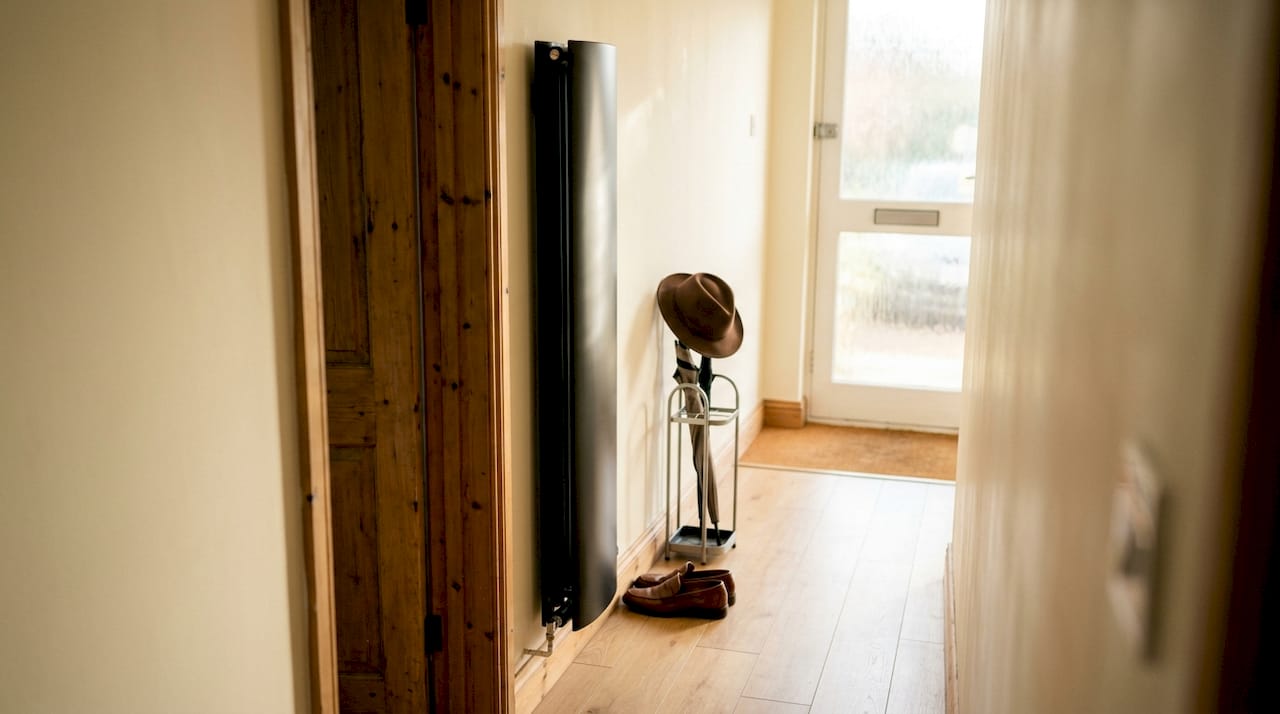
- Vertical radiators: Tall, narrow units that use height instead of width. Practical for hallways, kitchens, and any room where horizontal wall space is limited
- Horizontal flat-panel radiators: Sleek, low-profile units with a completely flat front. Clean lines suit minimalist and contemporary interiors
- Column radiators: Multi-column designs with rounded tubes, offering a modern take on Victorian cast iron styling with high heat output
- Towel radiators: Ladder-style or rail designs for bathrooms. Designer versions come in curved, asymmetric, or geometric configurations
- Dual fuel radiators: Units that operate on central heating in winter and switch to an electric element in summer, useful for bathrooms that need warmth when the main system is off
Materials and finishes vary significantly. Steel is the most common base material, durable and available in hundreds of colors. Aluminum heats up and cools down faster than steel, making it more responsive to thermostat adjustments. Cast iron retains heat longer, continuing to radiate warmth after the system switches off.
Pro Tip: Vertical radiators are particularly effective in narrow hallways or beside doorways where horizontal space is under 600mm. A tall unit on a short wall section delivers the same output as a wider horizontal model without restricting furniture placement.
How to choose a designer radiator for your room
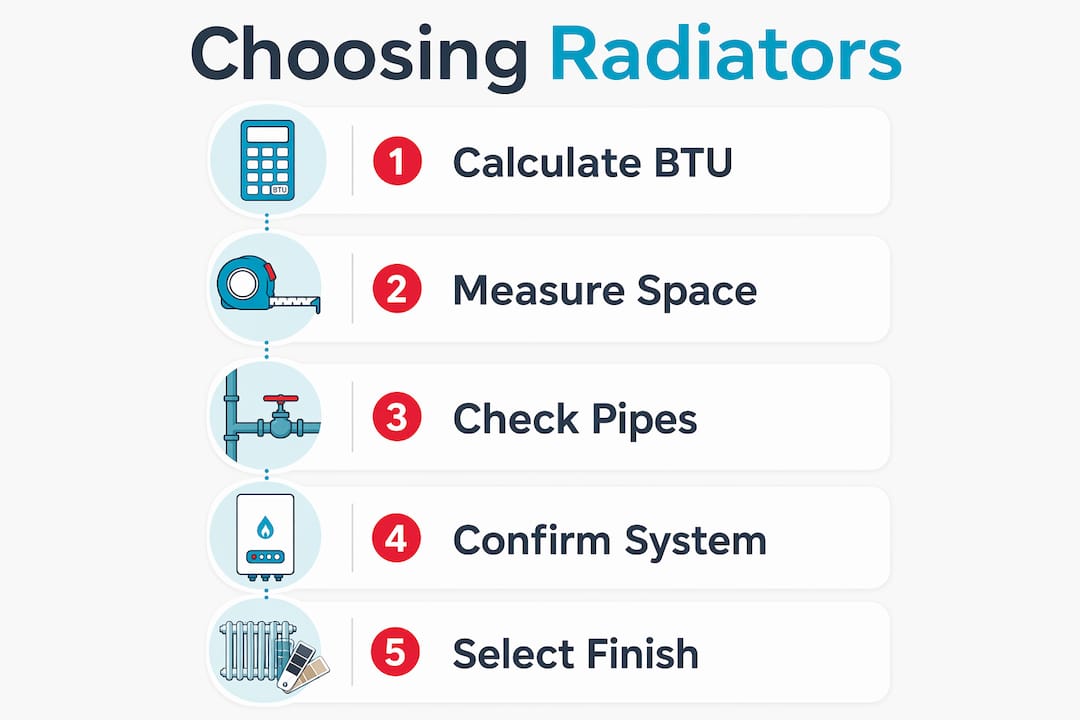
Selecting the right unit requires more than picking a finish you like. Heat output, room dimensions, and pipe location all determine whether a radiator actually works in a given space.
Step 1: Calculate required BTU output
BTU (British Thermal Unit) is the standard measure of heat output. Room volume, insulation quality, and window exposure all affect the calculation. Most manufacturers and plumbing suppliers provide online BTU calculators. Enter room dimensions, ceiling height, and insulation type to get a target output figure.
Step 2: Assess available wall space
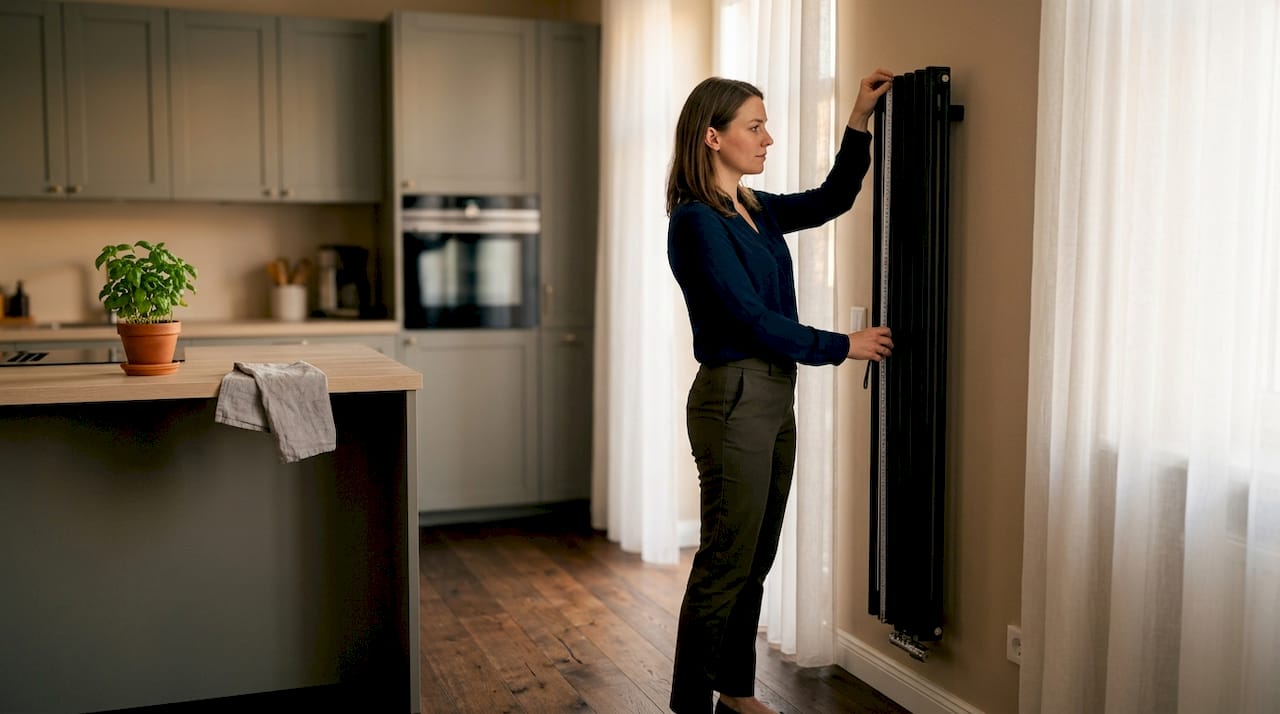
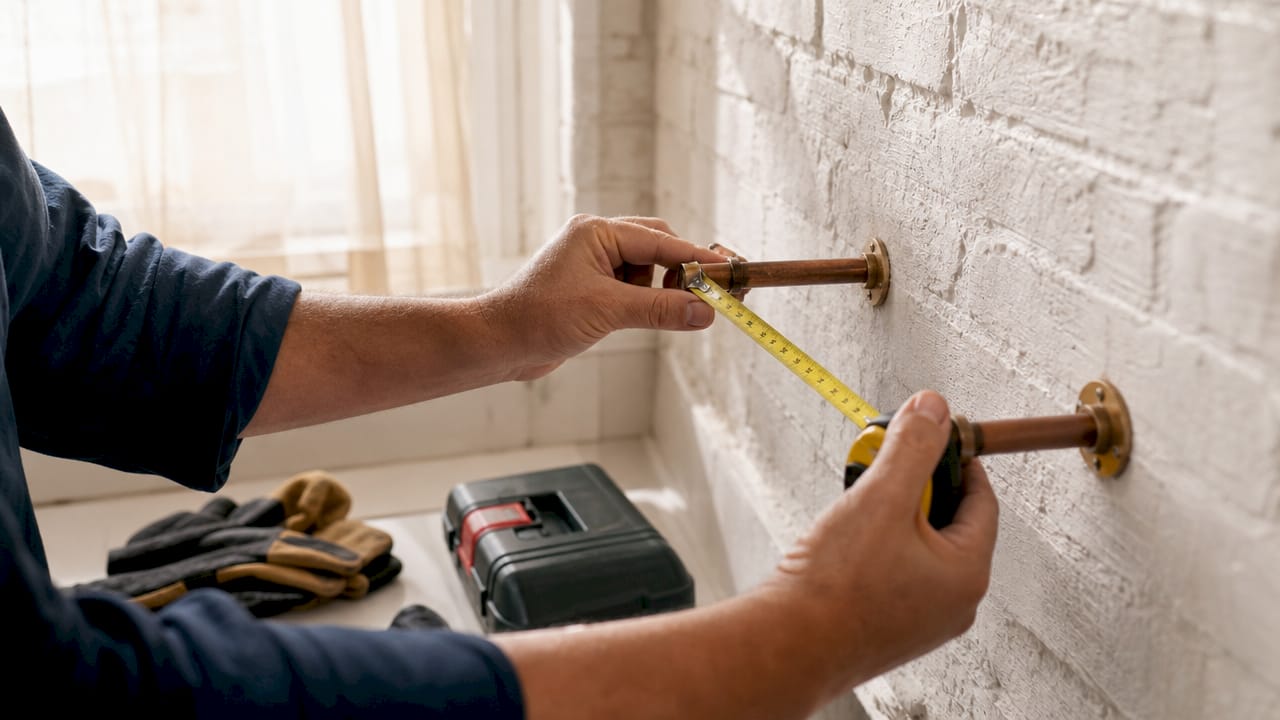
Measure the wall section where the radiator will sit. Note whether the space is better suited to a vertical or horizontal unit. A narrow alcove may only accommodate a vertical model; a long, low wall suits horizontal formats.
Step 3: Check existing pipe centers
Pipe center distance is the measurement between the two supply pipes coming from the floor or wall. Matching a new radiator to existing pipe centers avoids repositioning pipework, which reduces installation costs considerably. Like-for-like replacements are the most straightforward and affordable option.
Step 4: Match style to interior
Once heat output and dimensions are confirmed, select finish and form. Consider:
- Wall color and whether the radiator should contrast or blend
- Existing hardware finishes (faucets, door handles) for material consistency
- Room style: column radiators suit period interiors; flat panels suit contemporary spaces
Step 5: Confirm compatibility with your heating system
Most designer radiators connect to standard central heating systems. Electric and dual fuel options exist for rooms without existing pipework or for supplemental heating.
Pro Tip: Never select a radiator based on appearance before running a BTU calculation. Choosing by looks alone leads to undersized units that leave rooms cold, or oversized units that waste energy cycling on and off.
Do designer radiators perform as well as standard radiators?
The short answer: yes, when sized correctly. The label “designer” describes appearance, not performance. A designer radiator functions identically to a standard panel radiator at the mechanical level. Hot water circulates through it, the surface heats, and heat transfers into the room by convection and radiation.
Performance differences come from surface area and material, not from the design label itself.
- Surface area: A slim, sculptural radiator may have less surface area than a wide double-panel standard unit. Less surface area means lower maximum output, regardless of how the unit looks
- Material responsiveness: Aluminum designer radiators heat up and cool down faster than steel equivalents, giving more precise temperature control
- Steel heat retention: Steel units take longer to reach temperature but continue radiating after the system switches off, useful in older, less insulated buildings
- Room size limits: In large rooms or spaces with high ceilings, a single slim designer unit may not provide sufficient output. Multiple units or a combination with standard radiators may be needed
A designer radiator can perform just as well as a standard one, but only if it is sized correctly for the room. The label “designer” does not guarantee performance. It only tells you about its appearance and form.
The most common mistake is treating the two categories as performance tiers. They are not. They solve different problems: standard radiators prioritize output per dollar; designer radiators prioritize output per square foot of wall space while also serving as visible room features.
How designer radiators improve the look and feel of a room
Standard radiators sit at eye level. When they look deliberate, the entire room reads as more considered. Designer radiators function as visible interior features rather than utilities to conceal, and that shift has a measurable effect on how a space feels.
Specific aesthetic benefits:
- Focal point function: A tall column radiator or a geometric flat panel draws the eye in the same way a piece of wall art does
- Color and finish customization: Hundreds of RAL color options mean a radiator can match cabinetry, contrast with wall color, or coordinate with hardware finishes
- Space efficiency: Vertical units free up floor and furniture space that a wide horizontal radiator would block
- Cohesion across rooms: Consistent radiator finishes across a renovation create visual continuity that buyers and visitors notice
- Bathroom integration: Designer towel rails replace purely functional rails with units that contribute to the overall bathroom scheme
Pro Tip: During property viewings, radiators are visible in every room. Upgrading from standard white panels to a consistent designer finish is one of the lower-cost improvements that registers immediately with prospective buyers.
Installation considerations for designer radiators
Most designer radiators install the same way as standard units: two pipe connections, wall brackets, and a valve set. The process is straightforward for like-for-like replacements. Complications arise when the new unit requires different pipe positions or a different valve configuration.
Key installation factors to plan for:
- Pipe center matching: Confirm the new radiator’s pipe center distance matches existing pipework before purchasing. Mismatched centers require a plumber to extend or reroute pipes, adding labor cost
- Wall bracket requirements: Heavier cast iron and large column radiators need reinforced wall fixings. Standard drywall anchors are not sufficient for units above a certain weight
- Valve compatibility: Designer radiators use either angled or straight valves depending on whether pipes come from the floor or wall. Specify the correct valve type at purchase
- Vertical radiator height clearance: Tall vertical units need adequate ceiling clearance and must clear skirting boards at the base
- Professional installation: Any radiator replacement that involves draining the heating system, cutting into pipework, or relocating connections requires a qualified plumber. DIY installation risks leaks and system pressure loss
Relocating a radiator to a different wall position is possible but increases cost. The pipework must be extended or rerouted, which involves opening floors or walls. For most residential projects, keeping the radiator in its existing position and selecting a unit that matches current pipe centers is the most practical approach. You can browse steel radiator options to compare dimensions and pipe center specifications before committing to a purchase.
Maintenance tips to keep your designer radiator looking and performing well
Designer radiators require minimal maintenance, but the finishes that make them attractive do need specific care to stay in good condition.
Cleaning the surface: Wipe down with a soft, damp cloth. Avoid abrasive pads, scouring powders, or harsh chemical cleaners. These scratch or strip lacquer and powder coat finishes, which are difficult and expensive to repair.
Cleaning between columns or tubes: Column and tubular radiators collect dust in the gaps between sections. A long, soft-bristle brush or a can of compressed air clears dust without scratching. Regular cleaning also maintains heat output, since dust buildup on surfaces acts as mild insulation.
Bleeding the radiator: If a designer radiator feels warm at the bottom but cool at the top, trapped air is reducing circulation. Bleed the unit using a radiator key at the bleed valve, typically located at the top corner. This is a standard maintenance task that applies to all hot water radiators.
Checking valves annually: Thermostatic radiator valves (TRVs) can seize if left in one position for extended periods. Turn the valve head through its full range once or twice a year to keep it moving freely.
Protecting the finish: Avoid placing objects directly against the radiator surface. Furniture, clothing, and damp towels left in contact with the finish for extended periods can cause discoloration or moisture damage, particularly on matte and lacquered surfaces.
Key Takeaways
Designer radiators deliver both functional heating and visible design value, making correct sizing the single most important decision in the selection process.
| Point | Details |
|---|---|
| Definition and function | Designer radiators circulate hot water like standard units but feature deliberate shapes, finishes, and orientations meant to be seen. |
| Sizing determines performance | BTU output depends on surface area and material, not the “designer” label. Undersized units leave rooms cold regardless of appearance. |
| Aluminum vs. steel | Aluminum heats and cools faster for precise control; steel retains heat longer, better suited to older or less insulated buildings. |
| Installation cost control | Matching pipe center distance to existing pipework avoids rerouting costs and keeps replacement straightforward. |
| Maintenance is simple | Soft cloth cleaning, annual valve cycling, and regular bleeding preserve both finish and heating performance long term. |
Santehnikasveikals carries a full range of heating and plumbing products for residential and commercial projects, including steel radiators in multiple sizes and configurations suited to both standard and designer installations.

Recommended
- Apkures Radiators Termolux Compact Tips 11 500x700mm Ar Sānu Pieslēgumu - 9015007
- Apkures Radiators Termolux Compact Tips 11 500x400mm Ar Sānu Pieslēgumu - 9014016
- Apkures Radiators Termolux Compact Tips 11 500x600mm Ar Sānu Pieslēgumu - 9015006
- Apkures Radiators Korad Kompakt Tips 11 500x700mm Ar Sānu Pieslēgumu - 234035
Atstājiet komentāru