















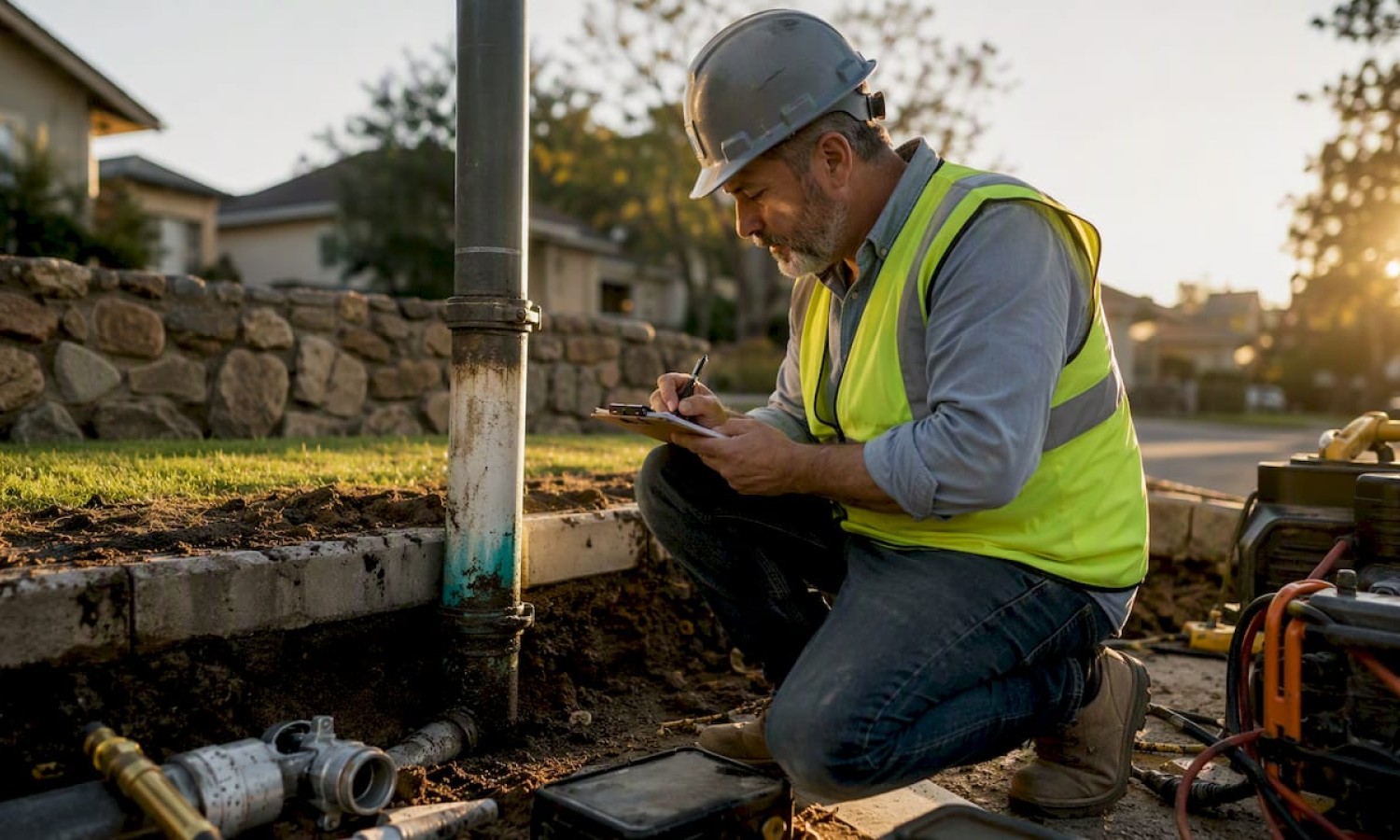

Plumbing Trends in 2026: What Contractors Must Know
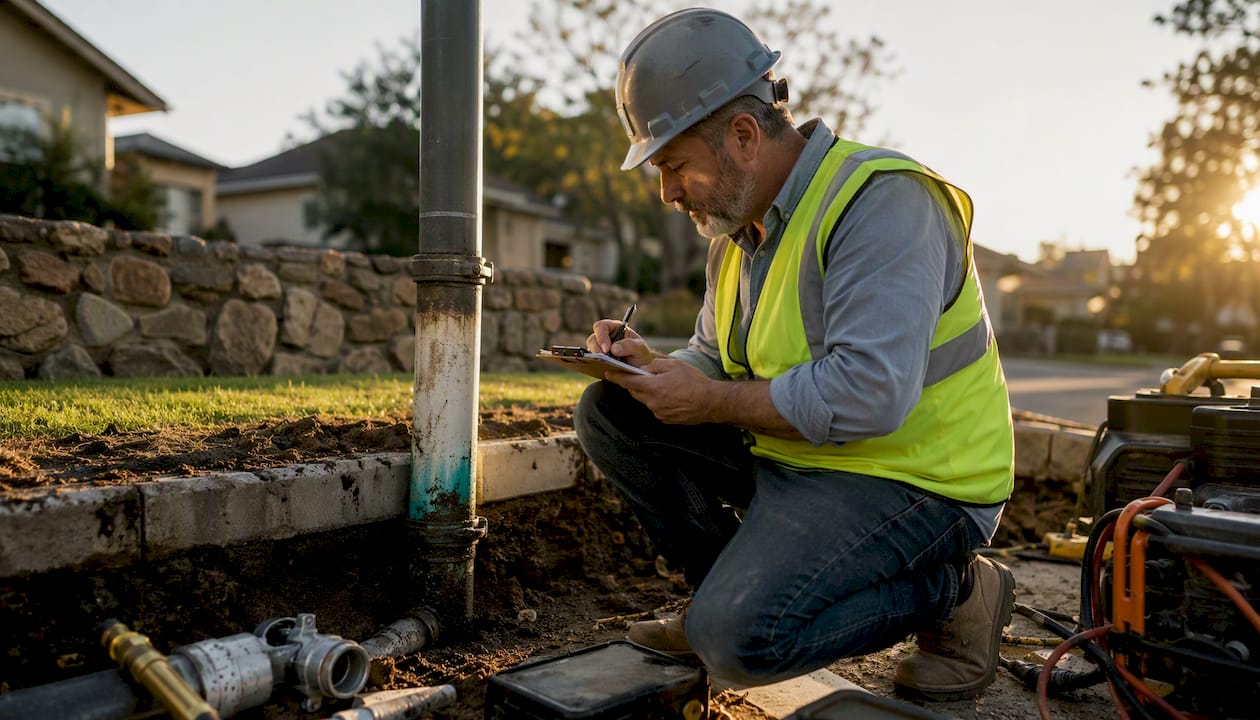
TL;DR:
- The plumbing industry in 2026 will focus on smart leak detection, trenchless sewer repair, and efficient water heating. Labor shortages and material costs are driving adoption of PEX piping, recurring maintenance, and regulation-driven upgrades. Contractors should prioritize training, update pricing, and build recurring revenue streams to capitalize on these trends.
The highest-impact plumbing trends in 2026 are smart leak detection tied to insurance mandates, trenchless sewer rehabilitation, heat-pump and hybrid water heating, PEX/PPR piping adoption, recurring maintenance contracts, and DOE-driven efficiency retrofits — all operating against a backdrop of chronic labor shortages and tariff-driven material cost pressure.
Key evidence backing this:
- PHCC and Plumbing & Mechanical report cautious optimism for 2026, with retrofit and modernization work driving moderate growth despite inflation headwinds.
- The U.S. plumbing market is estimated at roughly $169.8 billion in 2026, with approximately 132,000 plumbing businesses operating nationwide.
- Insurers are increasingly mandating smart leak-detection systems for coverage or discounts, creating a direct install pipeline for contractors.
Three actions to take now:
- Update your flat-rate price book to reflect current copper, brass, and PEX material costs.
- Build a smart leak-detection install and monitoring package — even a basic one positions you for insurance-driven demand.
- Enroll at least one technician in PEX or heat-pump water heater training before the next busy season.
Table of Contents
- What does the 2026 U.S. plumbing market actually look like?
- Why is trenchless sewer repair growing so fast in 2026?
- How do smart plumbing and IoT leak detection change your service model?
- What’s driving whole-home water filtration demand in 2026?
- Are modern piping materials replacing copper across the board?
- How do you increase output per technician when labor is tight?
- What regulatory and efficiency rules are reshaping product specs in 2026?
- What do these trends mean for your plumbing business right now?
- What are industry experts saying about 2026?
- How do cybersecurity and IoT safety apply to plumbing systems?
- What training do plumbers need to stay current in 2026?
- Key Takeaways
- Where I’d place bets as a plumbing business owner
- Santehnikasveikals: modern plumbing components for retrofit and new builds
- Useful sources and data references
What does the 2026 U.S. plumbing market actually look like?
The U.S. plumbing market size and labor data tell a clear story: the sector is large, growing, and structurally short on skilled workers.
| Metric | Figure | Source |
|---|---|---|
| U.S. market size (2026 estimate) | ~$169.8 billion | BDR |
| Number of plumbing businesses | ~132,000 | BDR |
| Homeowners who hire a plumber in under 4 hours | 54% | BDR |
| PEX share of new residential installs | 60%+ | Smart Service |
$169.8 billion — the estimated size of the U.S. plumbing market in 2026, with retrofit and modernization work accounting for a growing share of that total.
The labor gap is the most immediate operational constraint. The Bureau of Labor Statistics projects steady demand growth for plumbers, pipefitters, and steamfitters, while the Harvard Joint Center for Housing Studies has documented the structural difficulty of rebuilding construction trades pipelines fast enough to meet demand. That gap directly affects capacity planning, pricing power, and the case for prefabrication.
Key planning implications:
- Recurring service revenue is rising as a share of total revenue, reducing dependence on unpredictable new-install volume.
- Section 232 tariffs on copper and brass are driving material cost volatility — price books need quarterly review, not annual.
- Speed of response is a conversion driver: 54% of homeowners research and hire a plumber in under four hours, making mobile-optimized booking a revenue tool, not just a convenience.
Why is trenchless sewer repair growing so fast in 2026?
Aging municipal infrastructure and customer resistance to landscape disruption are the two forces making trenchless methods the default for sewer rehabilitation work. Most residential sewer lines in the U.S. were installed 40–70 years ago, and a growing share are reaching failure thresholds. Property owners and managers who once accepted open-trench work now expect a less disruptive option — and trenchless delivers it.
The primary methods and their best-fit applications:
- CIPP (cured-in-place pipe lining): Ideal for deteriorated but structurally intact pipes; a resin-saturated liner is inserted and cured in place, restoring flow capacity without excavation.
- Pipe bursting: Best for pipes that need full replacement; a bursting head fractures the old pipe outward while simultaneously pulling in a new HDPE line.
- Robotic cutting and remote diagnostics: Used for root intrusion, offset joints, and pre-lining prep; camera-equipped robotic cutters handle obstructions without a crew in the trench.
Trenchless jobs typically carry higher labor margins than open-trench work because equipment utilization is the cost driver, not crew hours. The trade-off is equipment investment: CIPP lining rigs and pipe-bursting equipment are capital-intensive. Many operators start with rental agreements and transition to ownership once volume justifies it. For drainage system diagnostics, camera inspection is the prerequisite step — no trenchless quote should go out without one.
Pro Tip: When pitching trenchless to property managers, lead with the insurance and liability angle: no open excavation means no trip hazards, no landscape restoration costs, and faster project completion. That framing closes faster than a technical explanation of CIPP.
How do smart plumbing and IoT leak detection change your service model?
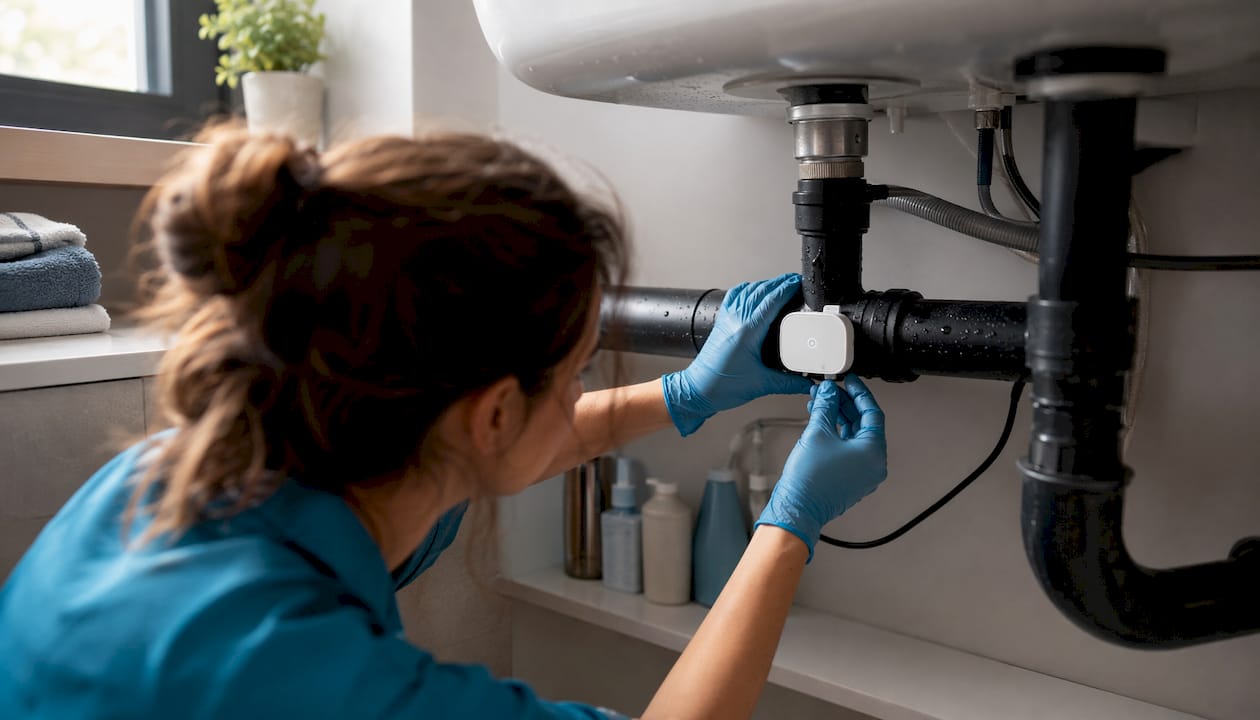
Smart plumbing systems — connected water heaters, AI-powered leak sensors, and remote shutoff valves — have moved from premium add-ons to standard diagnostic and risk-reduction tools. The shift is partly insurance-driven: carriers are increasingly mandating or incentivizing smart leak-detection installs for coverage eligibility, which creates a direct referral pipeline for contractors who offer them.
Features to prioritize when evaluating systems:
- Real-time analytics and historical usage dashboards accessible via mobile
- Cloud reliability with offline failsafe (local shutoff triggers even without connectivity)
- Automatic shutoff on leak detection, not just an alert
- Integration with field service management software (FSM) for automated work orders
- Basic cybersecurity: firmware update capability, encrypted data transmission, unique device credentials
Vendor-selection checklist:
- Installation complexity: can your current crew install and configure it in under two hours?
- Warranty and service agreement terms: who handles firmware updates and hardware replacement?
- Recurring revenue structure: does the manufacturer support a monitoring reseller model?
- Interoperability: does it integrate with common building management systems (BMS) and FSM platforms?
The smart plumbing advantages for end customers are well documented, but the business case for contractors is the monitoring contract. A typical model: charge for the hardware and installation, then bill a monthly monitoring fee. That recurring revenue compounds over a customer base in a way that reactive-only work never does.
Pro Tip: Price smart-leak installs as a bundled package: hardware, installation, and a 12-month monitoring agreement. Customers see one number; you lock in recurring revenue and a renewal conversation at month 10.
What’s driving whole-home water filtration demand in 2026?
Whole-home filtration and point-of-use systems are among the highest-margin retrofit categories in 2026. Aging municipal infrastructure, ongoing PFAS contamination concerns, and heightened consumer awareness of water quality are all pulling demand forward. This is not a niche upsell anymore — it is a standard conversation on any water heater replacement or remodel job.
Common system types and their best-fit customers:
- Activated carbon whole-home filters: Broad-spectrum chlorine, VOC, and taste/odor removal; best for municipal water customers with general quality concerns.
- Reverse osmosis (RO) point-of-use: High-purity drinking water at the tap; ideal for customers with lead, nitrate, or PFAS concerns.
- UV disinfection: Pathogen elimination without chemicals; strong fit for well-water customers or post-flood remediation.
- Whole-home sediment and water softening: Protects fixtures and appliances from scale and particulate damage; high ROI pitch in hard-water markets.
Upsell structure that works: bundle a water-quality test with any water heater replacement quote. The test costs little, creates a documented baseline, and gives you a concrete reason to recommend a filtration system. Annual filter-change service agreements add recurring revenue on top. For whole-home water supply planning, system sizing and pressure requirements should be assessed before specifying any filtration equipment.
State and local compliance note: some jurisdictions require licensed water treatment contractors for RO and softener installs, and several states have active PFAS mitigation reporting requirements that affect which systems qualify for rebates. Verify local licensing scope before quoting.

Pro Tip: Offer a $50–$75 water quality test as a standalone service. It generates its own revenue, positions you as the expert, and converts to filtration installs at a high rate — customers who see their own test results buy systems.
Are modern piping materials replacing copper across the board?
PEX and PPR are the new default for many residential and light-commercial installs, not because copper is inferior, but because the cost and speed math has shifted decisively. More than 60% of new residential plumbing installs in many U.S. markets now use PEX rather than copper, driven by lower material costs and faster installation.
Key performance trade-offs by material:
- PEX (cross-linked polyethylene): Flexible, freeze-resistant, fast to install with expansion or crimp tooling; dominant in residential new construction and retrofits. Requires specific tooling — expansion heads, crimp rings, and manifold systems.
- PPR (polypropylene random copolymer): Heat-fused joints with no chemicals or open flame; strong corrosion resistance and long service life; growing in commercial and industrial applications. Higher upfront tooling cost, but near-zero joint failure rate.
- GF-PPR and composite pipes: Glass-fiber-reinforced PPR for higher-pressure and higher-temperature applications; used in mechanical rooms and commercial hydronic systems.
- Copper: Still specified for gas lines, certain commercial codes, and high-end residential where the customer requests it. Material cost volatility from Section 232 tariffs makes copper-heavy bids harder to hold firm.
Pro Tip: Stock PEX-A expansion tooling and a basic PPR fusion kit on every service truck. The tooling pays for itself on the first mid-size job where you avoid a copper subcontractor. Price copper-replacement retrofits at a premium — the labor savings are yours, not the customer’s.
How do you increase output per technician when labor is tight?
Labor shortages make productivity the single biggest lever for profitability in 2026. Adding headcount is slow and expensive; getting more output from your current team is faster and compounds. Contractors who train their own teams on PEX and modern installation tools gain a measurable capacity advantage over those relying on subcontractors or ad-hoc training.
Operational checklist for productivity gains:
- Prefabricate manifold assemblies, fixture rough-ins, and common sub-assemblies in the shop before trucks roll.
- Cross-train every technician on PEX expansion and crimp methods — single-skill technicians create scheduling bottlenecks.
- Equip trucks with complete PEX and PPR tooling so no job requires a return trip for equipment.
- Build apprenticeship pairings: one senior tech with one apprentice on every complex job transfers knowledge faster than any classroom.
- Use retention incentives tied to certifications — pay increases on completion of manufacturer training programs reduce turnover.
90-day training ramp (numbered steps):
- Days 1–30: Audit current skill gaps by material type and technology (PEX, PPR, smart systems, heat-pump water heaters). Identify which technicians need which training.
- Days 31–60: Run in-house PEX and PPR installation workshops using manufacturer training kits. Pair each apprentice with a senior tech for field shadowing.
- Days 61–90: Certify at least two technicians on smart leak-detection system installation and configuration. Begin tracking output per technician per day as a baseline KPI.
Pro Tip: Pair your most experienced tech with your newest hire on every job for the first 90 days. The senior tech’s productivity drops slightly short-term, but the apprentice’s ramp time cuts in half — and you retain both.
What regulatory and efficiency rules are reshaping product specs in 2026?
Efficiency and decarbonization mandates are creating predictable retrofit demand windows — which means contractors who track regulatory calendars can build a forward pipeline of compliant replacements before customers even know they need them.
Key regulatory drivers:
- DOE water heater efficiency standards: Updated minimum efficiency requirements for residential and commercial water heaters have calendar-driven effective dates. Heat-pump and hybrid units now meet or exceed these thresholds; standard electric resistance tanks increasingly do not. Stock compliant units ahead of effective dates.
- PFAS mitigation: Multiple states have active or pending PFAS maximum contaminant levels (MCLs) in drinking water, driving demand for certified filtration systems. NSF/ANSI 58 (RO) and NSF/ANSI 53 (carbon) certifications are the specification standard.
- Local water-conservation rules: Drought-affected states (California, Arizona, Nevada, Texas) have fixture flow-rate mandates that affect faucet, showerhead, and toilet specifications on any permitted work.
- Electrification incentives: IRA-linked rebates and state programs continue to incentivize heat-pump water heater installations, reducing net customer cost and accelerating replacement cycles.
Code readiness is a revenue strategy. Contractors who know which products comply with upcoming standards can pre-sell replacements to customers whose current equipment will be out of compliance — before the customer gets a notice from an inspector.
For a full breakdown of 2026 compliance requirements, the plumbing regulations guide covers the key federal and state-level changes affecting specifications.
Pro Tip: Subscribe to your state energy office’s newsletter and set a calendar alert for DOE effective dates. When a new efficiency standard kicks in, email your customer list with a compliant-replacement offer. That single touchpoint generates booked jobs.
What do these trends mean for your plumbing business right now?
Translating trend awareness into revenue requires sequencing. Not every investment pays off at the same speed.
30/90/180-day action plan:
- 30 days: Update your flat-rate price book for current PEX, copper, and brass costs. Add a smart leak-detection install SKU. Audit your current service agreements for renewal opportunities.
- 90 days: Train at least two technicians on PEX-A expansion tooling and one on smart-system installation. Build a bundled water quality test + filtration install package. Set up mobile-optimized online booking if you do not have it.
- 180 days: Launch a recurring monitoring contract program for smart leak-detection customers. Add heat-pump water heater installs to your service menu with compliant-unit inventory. Establish a trenchless diagnostic offering (camera inspection + CIPP quote) for sewer calls.
Pricing framework:
- Price smart-leak installs as hardware + labor + 12-month monitoring. The monitoring fee is where margin compounds.
- For copper-replacement retrofits, price at copper-equivalent labor rates but use PEX materials — the material savings improve your margin without reducing the customer’s perceived value.
- Build tariff escalator language into commercial contracts: a clause allowing a price adjustment if material costs move more than a defined percentage protects margin without renegotiating the whole contract.
Supply-chain risk mitigation:
- Maintain a 30-day buffer inventory of high-velocity PEX fittings, manifolds, and smart-sensor hardware.
- Dual-source critical materials (at least two suppliers for copper fittings and brass valves).
- Review cost-saving procurement strategies quarterly and adjust stocking levels when tariff news breaks.
Pro Tip: The fastest way to raise average ticket is to add a water quality test to every water heater call. It takes 15 minutes, costs under $20 in materials, and converts to a filtration upsell on a meaningful share of jobs.
What are industry experts saying about 2026?
PHCC leadership and Plumbing & Mechanical’s analysis frame 2026 as a year where the operators who invest in technology and training will separate from those who do not.
“The plumbing industry enters 2026 with cautious optimism. Retrofit and modernization work is driving moderate growth, but contractors face real headwinds: inflation, material costs, and a persistent workforce shortage. The businesses that will thrive are those focused on training, technology adoption, and building recurring revenue streams.”
— Plumbing & Mechanical, 2026 Industry Outlook
Smart Service’s analysis reinforces the recurring-revenue angle: operators who bundle smart leak detection with recurring maintenance contracts achieve more predictable revenue and higher customer lifetime value than purely reactive operators. One operator profiled in Smart Service’s research added smart-leak installs to their service menu, paired each install with a 12-month monitoring agreement, and reported that the monitoring revenue alone covered a technician’s base salary within 18 months of launch. The key was treating the install as the acquisition cost for a recurring contract, not as a one-time job.
Primary sources used in this article:
- Plumbing & Mechanical / PHCC: Industry outlook, cautious-optimism framing, workforce data
- Smart Service: Recurring revenue analysis, PEX adoption rates, insurance mandate data, tariff impacts
- BDR: Market size, business count, consumer behavior (4-hour hire window)
- BLS: Plumber employment and demand projections
- Harvard JCHS: Construction trades workforce pipeline analysis
How do cybersecurity and IoT safety apply to plumbing systems?
Smart plumbing’s move from premium to standard practice means contractors must now understand connectivity protocols, firmware updates, and basic cybersecurity to protect installs and customers. A connected leak sensor or smart water heater is a networked device — and networked devices have attack surfaces.
Practical compliance steps for contractors installing IoT plumbing devices:
- Change default credentials on every device at installation. Factory usernames and passwords are publicly documented; leaving them in place is the single most common IoT vulnerability.
- Verify firmware update capability before specifying a product. Devices that cannot receive over-the-air updates will be unpatched within 12–18 months of release.
- Document network placement. Smart plumbing devices should sit on a dedicated IoT network segment, not the customer’s primary business or home network.
- Include cybersecurity terms in service agreements. Specify who is responsible for firmware updates and credential management after installation.
Beyond cybersecurity, physical safety compliance remains non-negotiable. Pressure relief valves, backflow preventers, and seismic strapping requirements apply to smart water heaters exactly as they do to standard units. The plumbing compliance standards guide covers the overlap between code requirements and smart-device installation protocols.
What training do plumbers need to stay current in 2026?
The skill gap in 2026 is not just about headcount — it is about specific technical competencies that most journeyman plumbers were not trained on. PEX-A expansion tooling, PPR fusion welding, heat-pump water heater commissioning, and smart-system configuration are all distinct skill sets that require deliberate training, not just on-the-job exposure.
Structured development path for a 2026-ready technician:
- PEX and PPR installation: Manufacturer certification programs (available from major pipe suppliers) cover tooling, joint methods, and pressure testing. Most run one to two days.
- Heat-pump water heater commissioning: DOE and manufacturer training covers refrigerant handling, electrical requirements, and efficiency verification. Required for warranty compliance on most units.
- Smart-system installation and configuration: Vendor-specific training for leak sensors, connected water heaters, and shutoff valves. Focus on network setup, app configuration, and customer handoff.
- Code literacy: Annual review of local code amendments, DOE effective dates, and NSF certification requirements. PHCC’s continuing education resources are a practical starting point.
The business case for training investment is direct: a technician certified on heat-pump water heaters and smart systems can quote and close jobs that an uncertified tech cannot. That translates to higher average ticket and access to the retrofit segments growing fastest in 2026.
Key Takeaways
Smart leak detection, PEX/PPR adoption, trenchless rehabilitation, and recurring maintenance contracts are the four highest-return investments for U.S. plumbing businesses in 2026, supported by a $169.8 billion market and persistent labor-driven pricing power.
| Point | Details |
|---|---|
| Market size and growth | The U.S. plumbing market is estimated at roughly $169.8 billion in 2026, with retrofit work driving a growing share. |
| Smart leak detection | Insurance mandates are creating a direct install pipeline; bundle hardware, installation, and a 12-month monitoring agreement. |
| PEX/PPR adoption | More than 60% of new residential installs use PEX; train your team and stock expansion tooling to capture the margin. |
| Regulatory readiness | DOE efficiency standards and state PFAS rules create predictable retrofit demand — track effective dates and pre-sell compliant replacements. |
| Santehnikasveikals | Santehnikasveikals stocks modern piping, fittings, smart-compatible valves, and filtration components for retrofit and new-build projects. |
30/90/180-day roadmap:
- 30 days: Update price book, add smart-leak SKU, audit service agreements.
- 90 days: Train two technicians on PEX-A tooling, launch water quality test package, enable mobile booking.
- 180 days: Launch recurring monitoring contracts, add heat-pump water heater installs, establish trenchless diagnostic offering.
Three KPIs to track: first-contact-to-quote time (target: under four hours), recurring-revenue ratio (share of monthly revenue from service contracts), and average ticket per job.
Where I’d place bets as a plumbing business owner
The three highest-conviction bets for 2026 are smart leak-detection monitoring contracts, heat-pump water heater installs, and in-house PEX/PPR training. Everything else is incremental.
- Smart leak-detection monitoring: The insurance mandate tailwind is structural, not cyclical. Carriers mandating or discounting for smart-leak installs are not reversing that policy. The monitoring contract model converts a one-time install into a recurring revenue line with high retention — customers do not cancel a service that their insurer requires.
- Heat-pump water heater installs: DOE efficiency standards are calendar-driven. Every standard electric resistance tank in a customer’s home has a compliance clock running. The IRA rebate structure reduces customer objection on price. Contractors who stock compliant units and train technicians now will own that retrofit wave.
- In-house PEX/PPR training: The labor market will not loosen materially in 2026. The only way to increase capacity without adding headcount is to make each technician faster and more versatile. PEX-A expansion tooling cuts install time per fixture significantly compared to copper. That time savings is margin.
On measuring ROI: track average ticket and recurring-revenue ratio monthly from the moment you launch any new service line. If a smart-leak monitoring program is not generating renewal conversations at month 10, the pricing or packaging needs adjustment — not the strategy. The operators who pivot packaging quickly outperform those who wait for annual reviews.
Santehnikasveikals: modern plumbing components for retrofit and new builds
Contractors working through the 2026 trends covered here need reliable access to compliant, modern components — and that is exactly what Santehnikasveikals supplies. The product catalog covers the full range of materials and fixtures relevant to 2026 retrofit and new-build work: PEX and PPR piping systems, corrosion-resistant fittings, smart-compatible shutoff valves, water filtration kits, heat-pump water heater accessories, and a broad selection of bathroom fixtures and heating components.
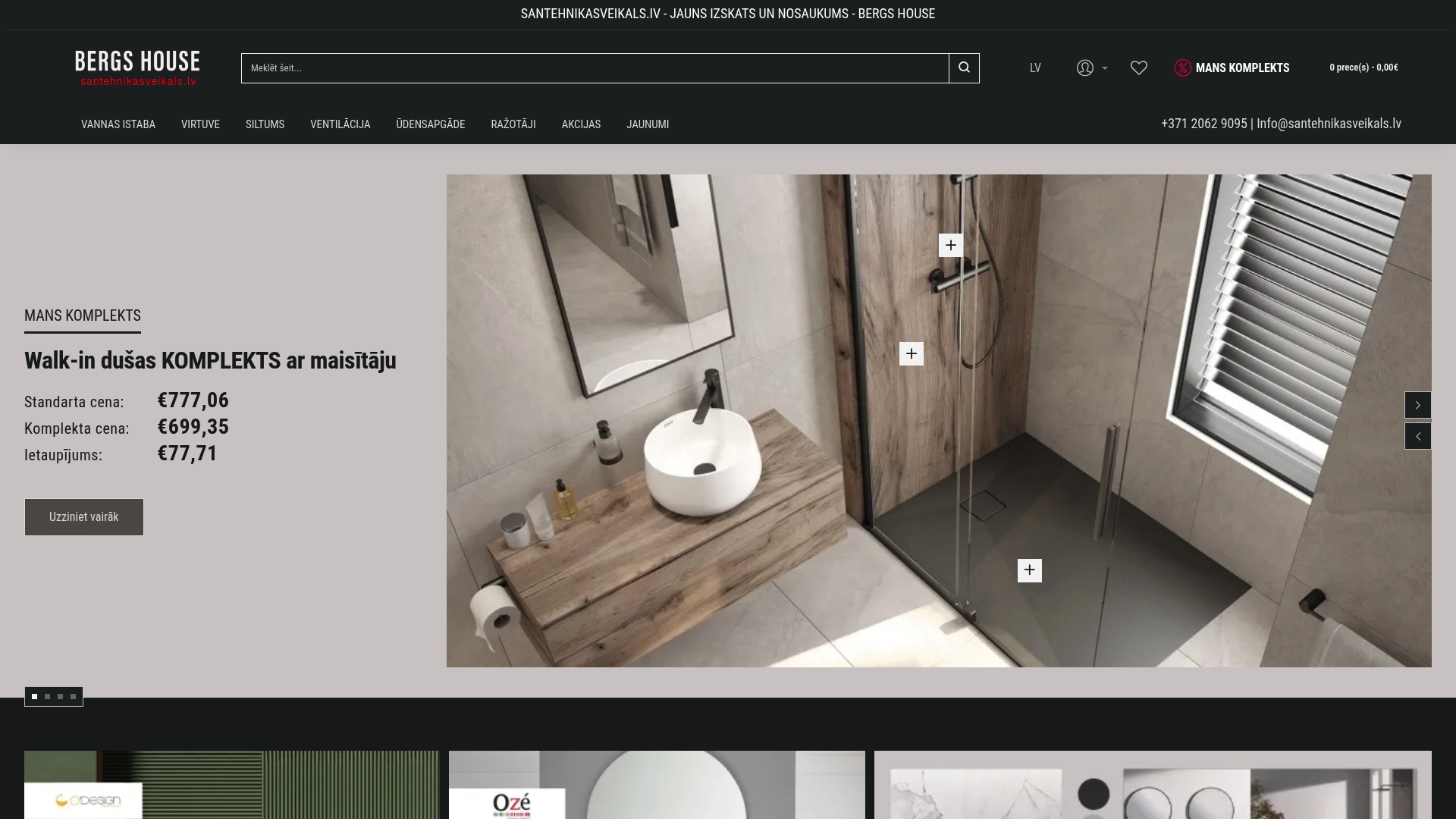
For trade accounts and bulk procurement, Santehnikasveikals offers product catalogs, price calculators, and direct ordering through the online storefront. Whether you are stocking a service truck with PEX fittings or specifying a whole-home filtration system for a retrofit project, the Santehnikasveikals product catalog is the starting point. Trade account inquiries and bulk orders are handled directly through the platform.
Useful sources and data references
Key sources cited in this article, with notes on coverage and data currency:
- Plumbing & Mechanical — 2026 Industry Outlook: PHCC-backed industry framing, cautious-optimism analysis, workforce and retrofit demand data. Current to 2026.
- Plumbing & Mechanical — Smart Plumbing Deep Dive: Connected water heaters, AI diagnostics, cybersecurity considerations. Current to 2025–2026.
- Smart Service — Plumbing Trends 2026: Recurring revenue analysis, PEX adoption rates, insurance mandate data, tariff impacts, consumer behavior. Current to 2026.
- BDR — Plumbing Industry Trends 2026: Market size ($169.8 billion), business count (132,000), 4-hour hire-window statistic. Current to 2026.
- Bureau of Labor Statistics — Plumbers, Pipefitters, and Steamfitters: Employment projections and demand outlook. Updated on BLS standard cycle; verify for the most current projection period.
- Harvard Joint Center for Housing Studies — Construction Trades Workforce: Structural analysis of trades workforce pipeline challenges. Background research; check JCHS for updated publications.
- PHCC: Continuing education resources, industry advocacy, and code-literacy programs for plumbing contractors.
Data currency note: market size and business-count figures are 2026 estimates from BDR and Smart Service. BLS employment projections run on a two-year publication cycle — confirm the current projection period on the BLS site. Regulatory deadlines (DOE, state PFAS MCLs) change on independent calendars; verify effective dates directly with the relevant agency before making procurement or specification decisions.
Recommended
- Plumbing Regulations 2026: What Builders Must Know | Santehnikasveikals.lv
- Must-Have Plumbing Tools for DIY Homeowners in 2026 | Santehnikasveikals.lv
- Cost-Saving Plumbing Ideas That Actually Work in 2026 | Santehnikasveikals.lv
- Smart Plumbing Advantages for Homeowners in 2026 | Santehnikasveikals.lv
Atstājiet komentāru