



















































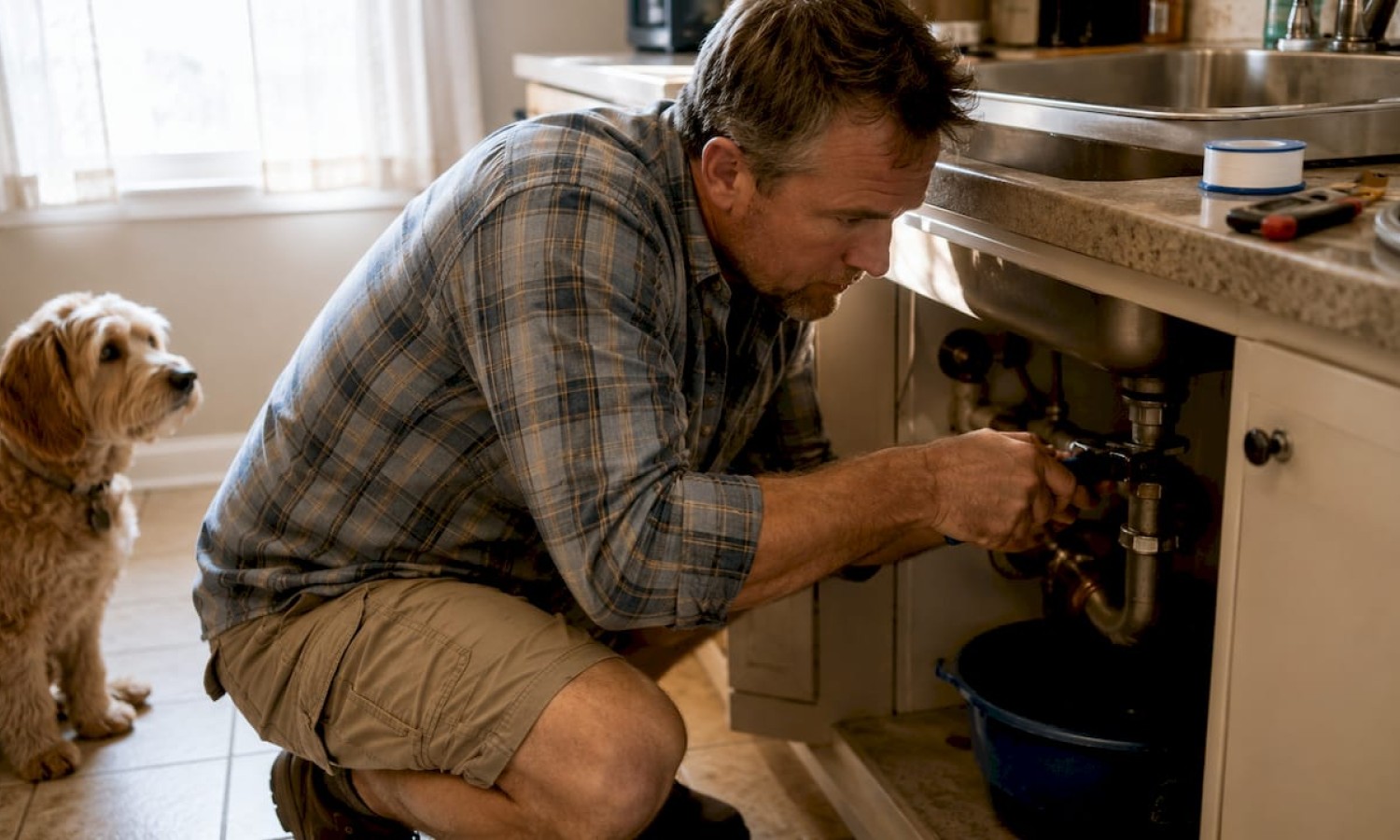

Must-Have Plumbing Tools for DIY Homeowners in 2026
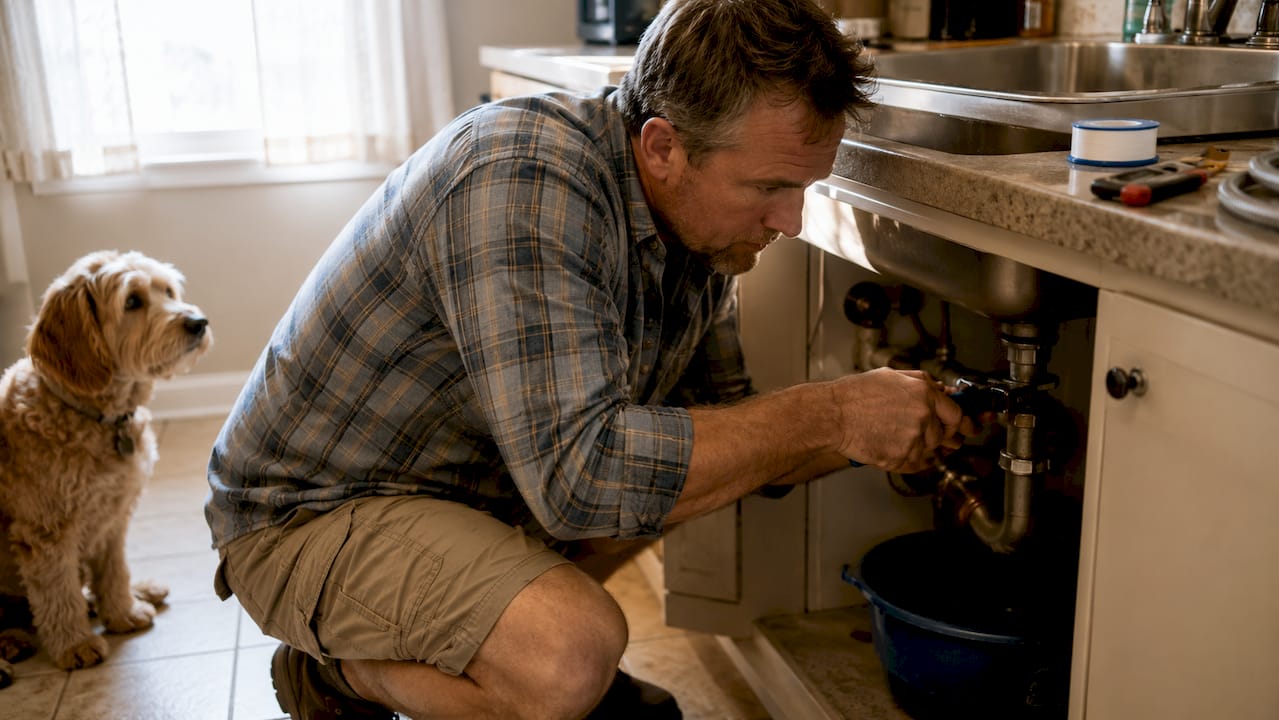
TL;DR:
- Having the right plumbing tools makes repairs faster and more effective. Homeowners need core items like adjustable wrenches, pliers, a basin wrench, and a headlamp. It is best to start with quality manual tools and rent specialty devices as needed for cost-efficient, reliable plumbing repairs.
A solid set of must-have plumbing tools is the difference between fixing a leaky faucet in 20 minutes and calling a plumber for a $200 service visit. A foundational homeowner toolkit covers seven core items: 10-inch and 12-inch adjustable wrenches, slip-joint pliers, channel-lock pliers like the Channellock 440, a basin wrench, Teflon tape, pipe thread compound, and a reliable headlamp. These tools handle the vast majority of common repairs, from faucet swaps to toilet fixes and supply line replacements. You do not need a truck full of gear to handle most home plumbing jobs. You need the right gear, bought once and bought well.
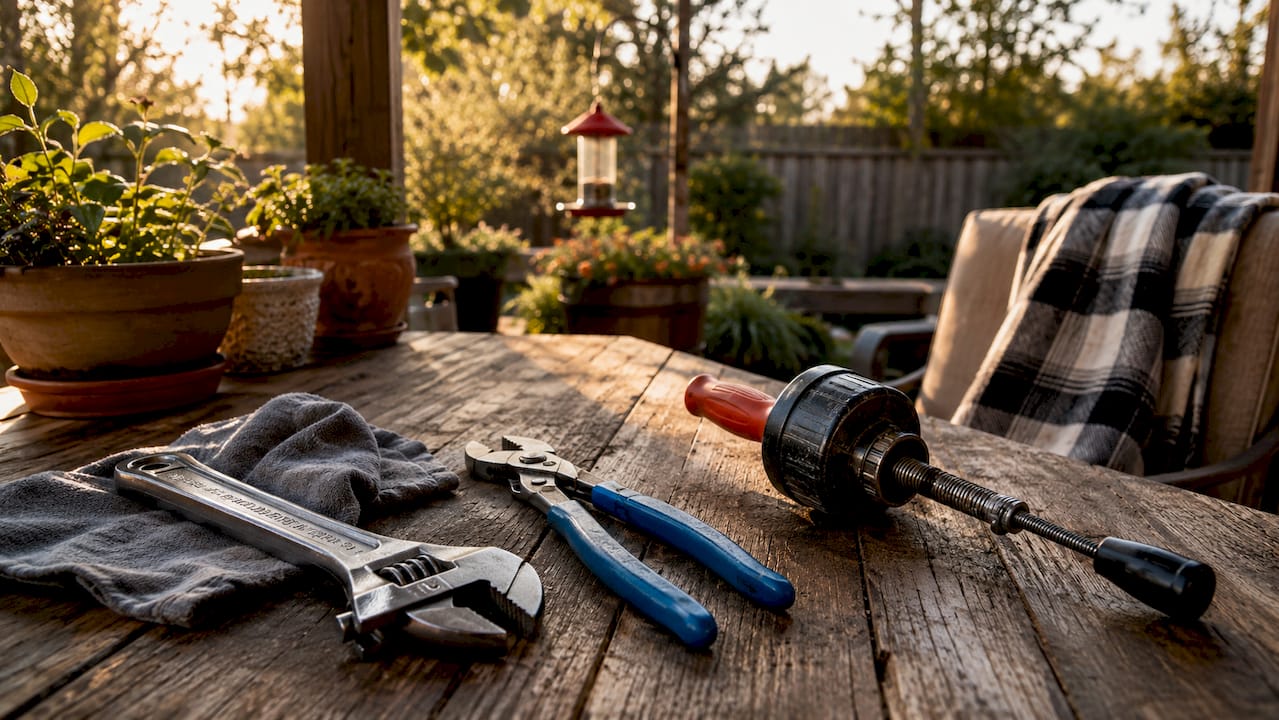
1. What are the top 10 must-have plumbing tools for homeowners?
The best plumbing tools for DIY work are the ones you reach for on every job. Here are the ten items that belong in every homeowner’s plumbing tool kit, along with what each one actually does.
Adjustable wrenches (10-inch and 12-inch)
Two adjustable wrenches cover nearly every nut and fitting you will encounter under a sink or behind a toilet. The 10-inch handles tight spaces, while the 12-inch gives you the leverage for stubborn supply line connections. Buy a name-brand pair from Craftsman or Stanley. Cheap wrenches round off nuts and waste your time.
Channel-lock pliers (Channellock 440)
The Channellock 440 is the single most versatile gripping tool in a homeowner’s kit. Its tongue-and-groove design adjusts to fit pipes, fittings, and oddly shaped nuts without slipping. Quality channel-lock pliers provide better leverage, grip, and longevity than budget alternatives. One pair lasts decades with basic care.
Basin wrench
A basin wrench is the only tool designed specifically to reach the mounting nuts on faucets from below the sink. Its long shaft and swiveling jaw let you work in spaces where no other wrench fits. Without one, replacing a kitchen or bathroom faucet becomes a frustrating, knuckle-scraping ordeal. With one, the job takes under an hour.
Pipe cutters (wheeled tubing cutters)
A wheeled pipe cutter produces a clean, square cut on copper and CPVC pipe every time. Hacksaws leave rough edges that cause leaks at joints. A standard 1/4-inch to 1-1/8-inch tubing cutter from Ridgid or Irwin handles most residential pipe sizes. Clean cuts mean better solder joints and tighter compression fittings.
Slip-joint pliers
Slip-joint pliers are the general-purpose gripping tool for drain work, P-traps, and sink strainers. They are lighter than channel-locks and easier to maneuver in tight spots. Keep a 6-inch and a 10-inch pair in your kit for maximum flexibility.
Teflon tape and pipe thread compound
Teflon tape (PTFE tape) wraps threaded pipe connections to create a leak-proof seal. Pipe thread compound, also called pipe dope, goes on fittings where tape alone is not enough. Use both on every threaded connection you make. A roll of Teflon tape costs under $2 and prevents callbacks on every repair you do.
Pro Tip: Wrap Teflon tape clockwise around the threads, in the same direction you will tighten the fitting. Wrapping it backward causes the tape to bunch up and fail.
Headlamp or flashlight
Plumbing work happens in dark cabinets, crawl spaces, and behind appliances. A hands-free headlamp from Black Diamond or Milwaukee keeps both hands free for tools. A flashlight works in a pinch, but you will quickly realize you need your hands more than you need to hold a light.
Plunger and handheld drain snake (25-foot auger)
A cup plunger clears sink and tub drains. A flange plunger seals toilet bowls properly. For clogs that resist plunging, a 25-foot handheld drain auger reaches deep into drain lines to break up or retrieve blockages. These two tools together resolve the majority of drain problems homeowners face.
Pipe scraper and deburring tool
After cutting copper pipe, the cut edge has a small burr inside and outside the tube. A deburring tool removes that burr in seconds. Skipping this step restricts water flow and causes turbulence that accelerates corrosion at joints. Most tubing cutters include a built-in reamer, but a dedicated deburring tool does a cleaner job.
PEX tubing cutter
Modern homes increasingly use PEX flexible piping for supply lines. A dedicated PEX cutter makes a clean, perpendicular cut that fits properly into push-fit or crimp fittings. Scissors or utility knives leave angled cuts that leak. A quality PEX cutter from SharkBite or Watts costs around $20 and pays for itself on the first repair.
2. How do manual plumbing tools compare to power tools for home repairs?
Manual tools are the right starting point for homeowners and beginners. They are affordable, simple to maintain, and sufficient for the occasional repair. Power tools make sense when you are doing high-volume work or tackling jobs that require speed and repetition.
Here is a practical breakdown:
- Manual pipe wrenches and adjustable wrenches: Best for tightening and loosening fittings on residential supply lines. No battery required, no maintenance beyond keeping them clean.
- Cordless impact drivers (Milwaukee M18, DeWalt 20V): Worth owning if you are doing a full bathroom renovation or running new supply lines. Overkill for a single faucet swap.
- Handheld drain auger: Handles most residential clogs in sinks and tubs. A power drain snake is faster but costs significantly more and is harder to control in tight drain lines.
- Manual tubing cutters: Produce cleaner cuts than power saws for copper and CPVC in most residential applications. Power tools are faster but require more skill to avoid angled cuts.
An apprentice plumber’s kit runs $600–$1,200 and includes both manual and power tools. That budget reflects professional-grade gear. A homeowner’s starter kit costs far less because you skip the power tools until a specific project demands them.
Pro Tip: Start with a complete set of manual hand tools. Add a cordless drill and a power drain snake only when a specific project makes them necessary. Buying power tools speculatively leads to tools that sit unused in a drawer.
3. Which specialty plumbing tools are worth investing in for advanced DIY tasks?
Specialty tools solve problems that basic hand tools cannot. The question is whether to buy or rent them.
Pipe inspection cameras
A handheld pipe inspection camera with a 25-foot cable costs $150–$500. It lets you see inside drain lines to diagnose blockages, root intrusions, or pipe damage without excavation. This tool is especially valuable in homes with older cast iron or clay drain lines. Renting one before buying makes sense if you only need it once or twice a year.
Leak detectors and acoustic sensors
Electronic leak detectors identify moisture behind walls and under floors without destructive investigation. Acoustic sensors amplify the sound of water escaping a pressurized pipe. These tools cost $200–$800 new. Renting or buying used diagnostic tools reduces costs by 30–60% compared to new prices. Rent for your first few jobs before committing to a purchase.
PEX-specific tools: expander vs. crimp vs. clamp ring
PEX connections require dedicated tools. Expander tools create the strongest connections but cost more. Crimp tools are common and affordable. Clamp ring systems outperform crimp rings in tight workspaces because the tool head is more maneuverable. If you are working in a cramped utility closet or behind a wall, clamp ring tools are the practical choice.
Soldering kits for copper plumbing
A basic soldering kit includes a propane torch (Bernzomatic TS8000), lead-free solder, and flux. Soldering copper pipe is a learnable skill that takes one afternoon of practice. The kit costs $60–$100 and handles every sweat-fit copper connection in a home. This is a buy-once investment that pays off across multiple projects.
| Tool | Approximate cost | Buy or rent? |
|---|---|---|
| Pipe inspection camera | $150–$500 | Rent first |
| Electronic leak detector | $200–$800 | Rent first |
| PEX crimp tool | $30–$80 | Buy |
| PEX clamp ring tool | $50–$120 | Buy |
| Propane soldering kit | $60–$100 | Buy |
Specialty equipment like leak detectors is reserved for high-volume professionals at the top end of the market. Homeowners should rent these tools initially and only buy when the frequency of use justifies the cost.
4. How to build a cost-effective plumbing tool kit for your home
Building a reliable plumbing tool kit is a tiered process. Start with the hand tools that cover 80% of repairs, then add specialty items as specific projects demand them.
Prioritize quality over price on hand tools
Cheap pliers fail to grip firmly, causing stripped nuts and skinned knuckles. Spend more on adjustable wrenches, channel-lock pliers, and a basin wrench. These tools take daily abuse and need to hold up. Budget brands on these items cost you more in frustration and replacement costs than you save at the register.
Buy sets for consumables, individual tools for hardware
Buy Teflon tape and pipe thread compound in multipacks. Buy your wrenches and pliers individually so you can select the right size and brand. Tool sets that bundle everything together often include low-quality versions of critical tools alongside decent ones.
Maintain and store tools properly
Wipe metal tools dry after use to prevent rust. Store wrenches and pliers in a dedicated tool bag or roll, not loose in a bucket where they bang against each other. A well-maintained Channellock 440 lasts 20 years. A neglected one fails in two.
Pro Tip: Label your Teflon tape rolls with the thread size they are sized for. White tape works for most water connections. Yellow tape is for gas lines. Using the wrong tape on a gas fitting is a safety hazard.
| Budget tier | Approximate cost | What is included |
|---|---|---|
| Starter kit | $80–$150 | Adjustable wrenches, slip-joint pliers, plunger, Teflon tape, headlamp |
| Mid-range kit | $200–$350 | Starter kit plus Channellock 440, basin wrench, tubing cutter, drain auger |
| Advanced kit | $400–$600 | Mid-range kit plus PEX cutter, soldering kit, deburring tools, PEX clamp tool |
Key takeaways
A homeowner’s plumbing tool kit built around quality hand tools covers the vast majority of repairs without requiring professional help or expensive specialty gear.
| Point | Details |
|---|---|
| Start with seven core tools | Adjustable wrenches, channel-lock pliers, basin wrench, Teflon tape, pipe thread compound, and a headlamp cover most repairs. |
| Quality hand tools prevent injury | Cheap pliers strip nuts and cause injuries; invest in Channellock and Craftsman for daily-use tools. |
| Manual tools first, power tools later | Add cordless drills and power drain snakes only when a specific project demands them. |
| Rent specialty tools before buying | Pipe inspection cameras and leak detectors cost $150–$800; rent them until frequency justifies purchase. |
| Build in tiers | A starter kit runs $80–$150; a mid-range kit covers advanced repairs for $200–$350. |
What I have learned from assembling plumbing kits over the years
The conventional advice is to buy a complete tool set and work from there. I disagree with that approach. Most boxed tool sets include two or three excellent tools and five mediocre ones. You end up with a drawer full of gear you do not trust.
My recommendation is to build your kit tool by tool, starting with the items you will use on every single job. A 10-inch adjustable wrench, a Channellock 440, and a roll of Teflon tape will get you through more repairs than any bundled kit. Once you have those, add a basin wrench. Then a tubing cutter. Then a drain auger. Each tool you add should solve a problem you have already encountered.
The other thing I have learned is that lighting matters more than most people expect. Working under a sink with a flashlight wedged between your chin and shoulder is miserable. A $30 headlamp from Milwaukee or Black Diamond changes the experience completely. It is the most underrated tool on this list.
On the quality question: avoid the cheapest pliers without exception. I have seen homeowners strip brass nuts with bargain-bin pliers and turn a 30-minute repair into a $400 fitting replacement. The Channellock 440 costs around $20. There is no reason to buy anything cheaper.
Finally, do not let specialty tools intimidate you. A PEX clamp tool and a propane torch are learnable in an afternoon. The confidence you build with manual tools first makes the transition to specialty tools natural. Start simple, build gradually, and buy quality where it counts.
— Renate
Build your plumbing toolkit with confidence
Ready to stop improvising and start repairing with the right gear? Santehnikasveikals carries a full range of plumbing supplies and fixtures for homeowners tackling everything from faucet replacements to full bathroom renovations.

Whether you need quality fittings, supply line accessories, or bathroom fixtures to complete your next project, Santehnikasveikals has you covered. Browse the full plumbing catalog to find adjustable wrenches, pipe fittings, and everything else on your plumbing tools checklist. From VIEGA drain fittings to SCHELL angle valves, the product selection is built for homeowners who want reliable results without overpaying. Delivery is available across Latvia, so you can order what you need and get started without delay.
FAQ
What are the most essential plumbing tools for a homeowner?
The core plumbing tool kit essentials are a 10-inch and 12-inch adjustable wrench, Channellock 440 pliers, a basin wrench, a tubing cutter, Teflon tape, pipe thread compound, and a headlamp. These seven tools handle faucet replacements, toilet repairs, and supply line work.
Should I buy manual or power plumbing tools as a beginner?
Manual tools are recommended for beginners because they are affordable, simple to use, and sufficient for most home repairs. Add power tools only when a specific project requires speed or volume that manual tools cannot deliver.
How much should I budget for a starter plumbing tool kit?
A solid starter kit covering the most common plumbing tools checklist items runs $80–$150. A mid-range kit with a basin wrench, tubing cutter, and drain auger costs $200–$350.
Is it worth buying a pipe inspection camera for home use?
A pipe inspection camera costs $150–$500 and is most useful for diagnosing recurring drain problems or inspecting older cast iron lines. For occasional use, renting one is more cost-effective than buying.
What is the best way to seal threaded pipe connections?
Wrap Teflon tape clockwise around the male threads before assembly, then apply pipe thread compound over the tape for a fully leak-proof seal. This two-layer approach is standard practice for water supply connections.
Atstājiet komentāru