




















































Installers: 15 Years’ Lessons for Choosing Heating Collectors Locally
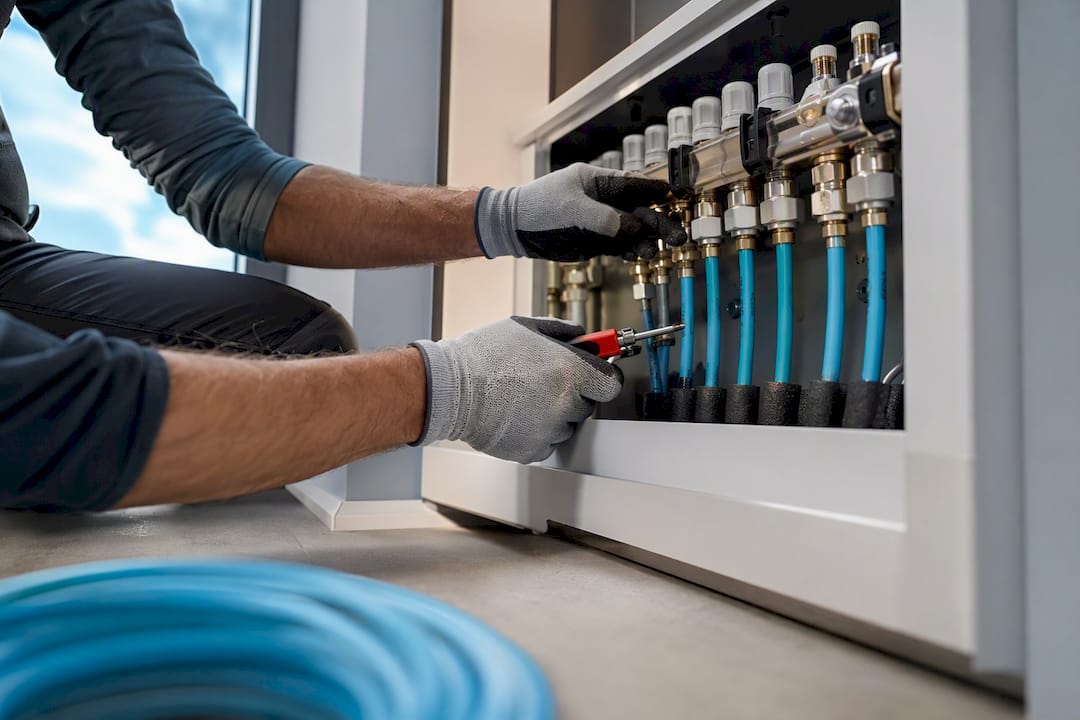
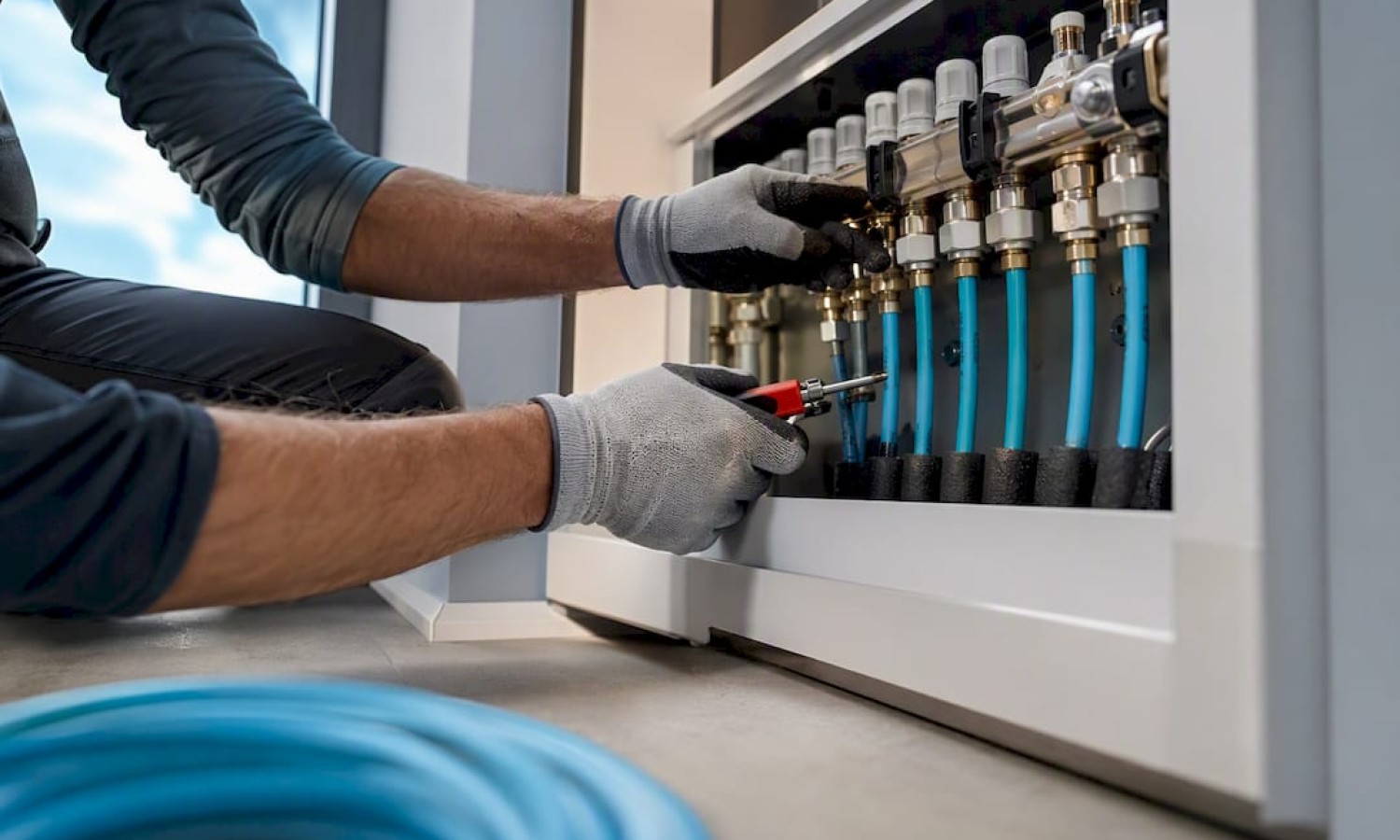
For most homes, a stainless or brass manifold with individual flow meters is the safest heating collector choice: stainless resists corrosion in aggressive water, brass handles daily wear reliably, and flow meters make balancing radiators or underfloor loops far easier. Radiator systems generally call for a simpler radiator manifold, underfloor systems need balancing hardware, and year-round solar heating in colder regions favors evacuated tubes. Whatever you pick, have a local installer confirm the hydraulic sizing before you order.
TL;DR:
- Choosing stainless steel manifolds with flow meters is ideal for aggressive water, but the size and hardware must match your specific radiator or underfloor system.
- Proper circuit count, pipe diameter, and hydraulic balancing are critical to avoid underperformance, especially in underfloor heating or multi-loop systems.
- Material selection affects durability; stainless resists corrosion better, while brass is mechanically strong; dielectric fittings prevent galvanic corrosion when mixing metals.
- Accessories like flow meters, balancing valves, and automated air vents significantly improve system performance and ease maintenance, especially in retrofit installations.
- Invest in a high-quality, serviceable manifold with shutoffs and flow meters, as durability and ease of access save labor costs over the system’s life.
Table of Contents
- Kolektors Apkurei Izvēle: Matching Collector Type to System
- Brass, Stainless, or Polypropylene: Which Material Holds Up?
- How Many Circuits and What Pipe Diameter Do You Need?
- Flow Meters, Valves, and Cabinets: What’s Worth Paying For?
- Will This Collector Work With My Boiler or Heat Pump?
- What Should You Budget for a Heating Collector?
- Installer Checklist: From Quote to Commissioning
- What Fifteen Years of Installer Reports Teach You About Collector Choices
- Ordering Collectors and Accessories Through Santehnikasveikals
- Sources
Kolektors Apkurei Izvēle: Matching Collector Type to System
Choosing the right heating collector, or kolektors apkurei, starts with identifying which system it feeds. Not every collector does the same job, and mixing up the categories is the fastest way to end up with a part that doesn’t fit your cabinet or your flow requirements.
Radiator manifolds distribute heated water to radiator circuits, typically two to eight loops depending on the property. They suit retrofits where you’re replacing an old distribution point without redesigning the whole system.
Underfloor manifolds carry more responsibility. Because underfloor loops run at lower temperatures and need even heat spread across a room, these manifolds almost always include flow meters and a mixing valve. Loop counts commonly range from two to twelve per manifold, and layout has to account for loop length balance, not just loop count.
Solar thermal collectors split into flat-plate and evacuated-tube designs. Evacuated tubes outperform flat plates in cold, cloudy climates but cost more, while flat-plate units are cheaper and perform well where sun exposure is stronger and consistent.
Some practical scenarios:
- New build with underfloor heating throughout: stainless manifold, full flow meters, mixing valve.
- Retrofit replacing an aging radiator distributor: brass radiator manifold, minimal extra hardware.
- Solar preheat for domestic hot water in a northern climate: evacuated tubes over flat plate, per the same climate guidance.
Brass, Stainless, or Polypropylene: Which Material Holds Up?
Material choice affects lifespan, warranty terms, and how well the collector tolerates your local water chemistry. There’s no universal winner. Each material trades off cost against durability differently.
- Stainless steel resists aggressive or mineral-heavy water and typically carries the longest warranty, making it the safer pick where water quality is inconsistent.
- Brass is the workhorse choice: mechanically strong, widely stocked, and proven in ordinary residential systems.
- Polypropylene costs less and works fine in light-duty setups, but it can’t match metal collectors under high mechanical stress or sustained high temperatures.
Installers sometimes report uneven heat distribution when manifold material doesn’t match the piping material and fittings aren’t adjusted to compensate. Matching manifold material to your pipe material, where feasible, avoids that friction entirely.
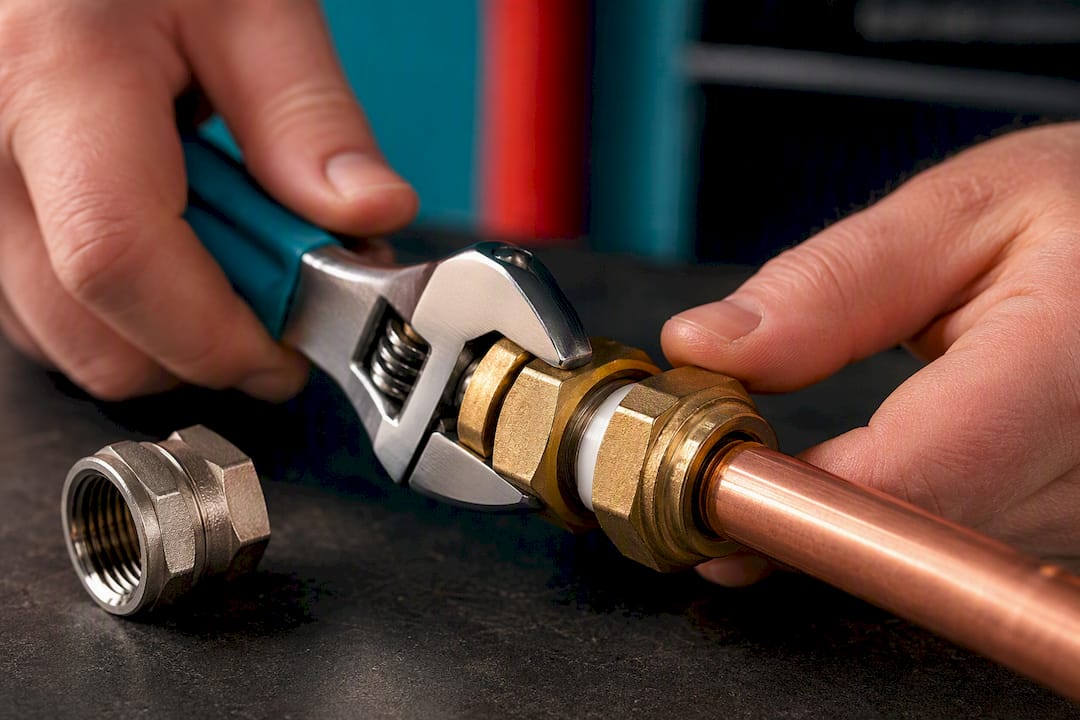
Pro Tip: When connecting dissimilar metals (say, a brass manifold with copper piping), ask your installer about dielectric fittings. They prevent galvanic corrosion at the joint, which otherwise shortens the life of the cheaper of the two metals.
How Many Circuits and What Pipe Diameter Do You Need?
Sizing a collector wrong is the single most common underfloor heating complaint, and it’s rarely the collector’s fault. It’s usually the pipe run, pump, or circuit balance behind it.
- Count your circuits first. Each radiator loop or underfloor zone needs its own port. Manifold and cabinet length scale directly with circuit count, so know your number before you shop.
- Give your installer real numbers. Pipe lengths, radiator or loop heat loads, and pump head all feed into the hydraulic calculation that determines correct pipe diameter and flow per circuit. Sizing and hydraulic balancing usually determine whether a system feels genuinely comfortable, and an otherwise correct manifold underperforms badly if the piping or pump behind it is undersized.
- Plan supply-return spacing and clearance. Cabinets need room for the manifold itself plus space to reach shutoffs, flow meters, and any pump group without disassembling the wall.
A reliable expansion tank sized to match your system volume also factors into overall hydraulic performance, particularly on closed-loop systems where pressure swings affect flow at the manifold.
Flow Meters, Valves, and Cabinets: What’s Worth Paying For?
Not every accessory on a collector spec sheet earns its price. Some genuinely change how the system performs and how easy it is to service later.
- Flow meters let you see and adjust flow per loop directly, which speeds up commissioning enormously and keeps individual rooms from running hot or cold relative to each other.
- Balancing valves work alongside flow meters to fine-tune resistance across loops so no single circuit starves the others.
- Automatic air vents clear trapped air without manual bleeding at every service call, a detail that matters more in multi-story systems.
- Isolation valves and drain/test points let a technician shut down and service one loop without draining the whole system.
- Thermostatic mixing valves are essential wherever underfloor loops share a manifold with higher-temperature radiator circuits.
Cabinet choice matters more than it looks. Recessed cabinets save floor space and look cleaner, but surface-mounted units give easier service access, particularly in retrofits where wall depth is limited. For retrofit projects specifically, an accessible cabinet paired with manifolds that have individual shutoffs and flow meters tends to cut maintenance costs later, since technicians can isolate and test one loop instead of shutting the whole system down.
Will This Collector Work With My Boiler or Heat Pump?
Your heat source sets the operating temperature the collector and its valves need to tolerate, and that changes the shopping list.
- Heat pumps and underfloor systems run at lower temperatures and need accurate flow control across more loops, so a larger manifold with individual flow meters and a mixing valve pays off. If you’re weighing a heat pump against a conventional setup, collector sizing is one more factor in that decision.
- High-temperature radiator systems put more thermal stress on valves and seals, so material tolerance and valve rating matter more than loop count.
- Solar preheat tie-ins bring their own trade-off: flat-plate collectors are cheaper and match evacuated-tube performance well in summer, but evacuated tubes lose less heat and hold the advantage anywhere cold or cloudy weather is common.
What Should You Budget for a Heating Collector?
Retail prices for collectors span a wide range, and the spread comes down mostly to material, circuit count, and how much is preassembled.
- Bare manifolds without accessories sit at the low end of any catalog.
- Manifolds with integrated flow meters and shutoffs cost more but save labor time during commissioning.
- Full cabinet sets with pump groups and mixing valves preassembled command the highest prices but reduce on-site assembly work considerably.
Buy from a specialist supplier that stocks spare parts and can advise on sizing, rather than picking the cheapest listing on a general marketplace. A missing gasket or an unavailable replacement flow meter six months in costs more in downtime than the few extra euros a specialist charges upfront. If you’re also planning radiator upgrades alongside a new collector, budgeting both together avoids a second round of plumbing work later.
Installer Checklist: From Quote to Commissioning
A short checklist keeps quoting, installation, and commissioning from missing a step that causes callbacks later.
- Before installation: run the hydraulic calculation, test water quality for corrosion risk, confirm cabinet location, and size the pump to the actual load.
- During commissioning: balance flow across every loop, bleed air fully, label each circuit at the manifold, set thermostats, and record the final settings somewhere accessible for the next technician.
- Ongoing maintenance: check for leaks and rebalance flow annually, and keep spare gaskets, a replacement flow meter, and valve seals on hand so a minor fault doesn’t stall the whole system.
Local plumbing regulations sometimes dictate cabinet placement or accessibility requirements too, so confirm those before finalizing the install location.
What Fifteen Years of Installer Reports Teach You About Collector Choices
The projects that age well almost never chose the cheapest manifold on the shelf. They chose the one with flow meters, individual shutoffs, and a cabinet a technician could actually reach five years later. Durability and serviceability cost a little more up front and save far more in labor over the system’s life. If you’re unsure which configuration fits your circuit count or water conditions, ask an installer to run the numbers before you buy.
— Renate
Ordering Collectors and Accessories Through Santehnikasveikals
Santehnikasveikals gets you the exact components a hydraulic calculation calls for, without waiting on a specialty order or guessing at compatibility off a generic listing. The catalog covers manifolds in brass and stainless, flow meters, balancing and isolation valves, cabinets in recessed and surface-mounted formats, and compatible radiators for retrofit projects.

If your installer has already worked out circuit count, pipe diameter, and pump head, customer support can help match those numbers to the right manifold and cabinet combination in stock. Homeowners planning a radiator swap alongside a new collector can browse options like the Termolux Ventil Compact radiator sized for standard rooms, or check WC connection fittings if the same renovation touches your bathroom plumbing. Send your system parameters to sales for a sizing check before you order, and get the component list confirmed the first time.
Atstājiet komentāru