



















































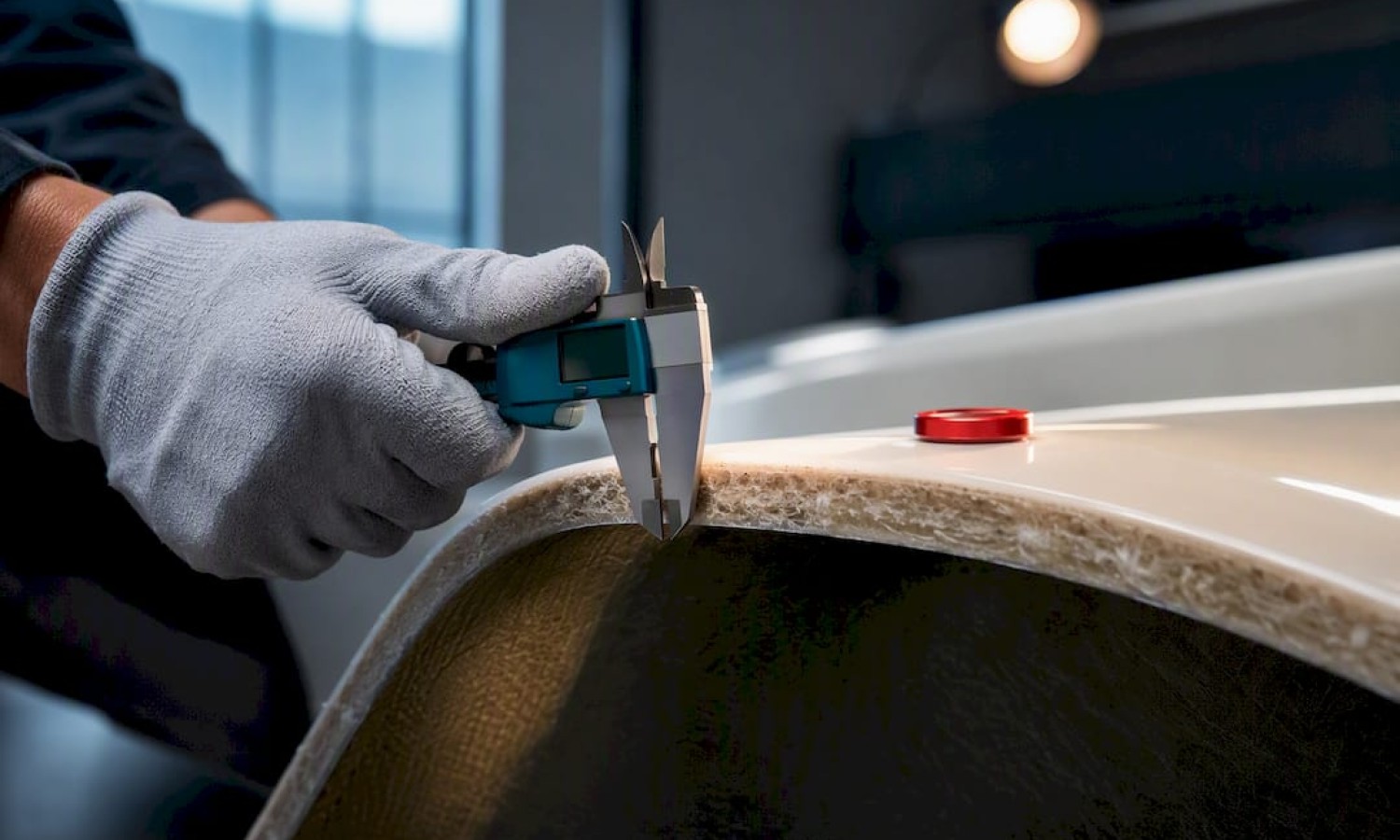

Acrylic or Steel Bathtub: Homeowners, Check Thickness and Weight
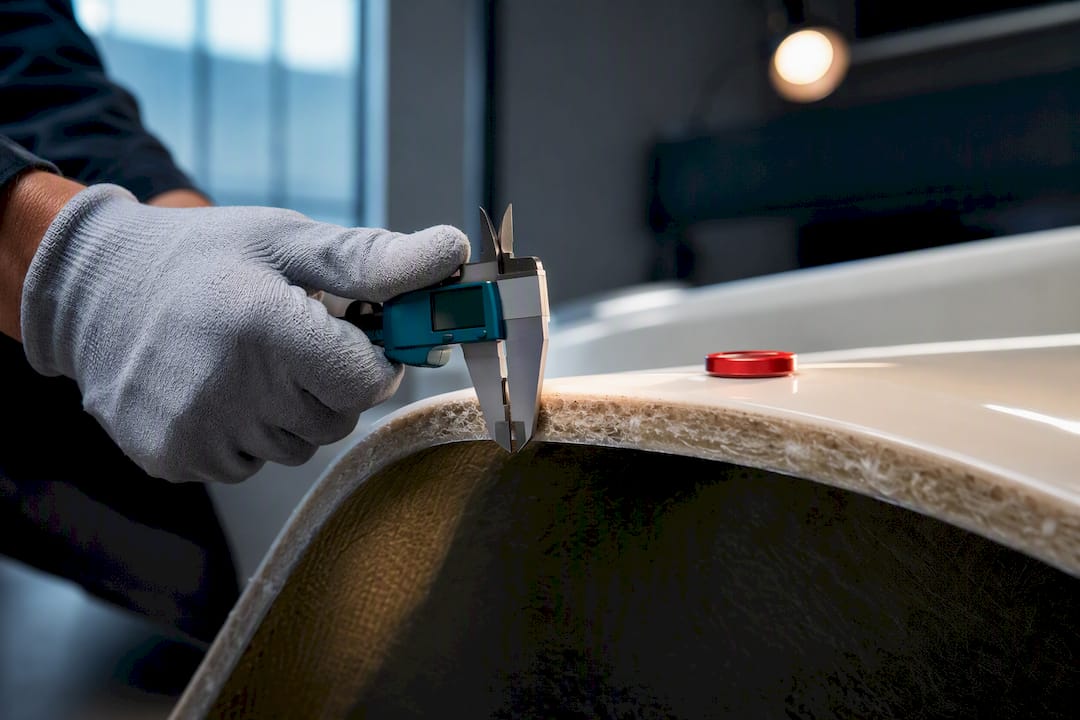
Choose acrylic if you need a lightweight tub for an upstairs bathroom, a curved or custom shape, or a lower upfront price. Choose steel if long heat retention, decades of abrasion resistance, and full recyclability matter more to you than shape flexibility or ease of carrying it up a staircase. Both materials perform well when the build quality is right. The details below tell you what “right” actually looks like.
TL;DR:
- Acrylic tubs are significantly lighter and easier to carry upstairs, making them ideal for upper-floor or tight renovation projects.
- Steel tubs offer longer heat retention and greater abrasion resistance, especially if made with thicker steel sheets, which can last several decades.
- Quality construction is crucial for both materials, with acrylic requiring sufficient wall thickness and backing, and steel needing a thicker sheet and high-temperature fused enamel.
- Price variations often reflect build quality, as thick, reinforced acrylic can cost as much as mid-range steel tubs, which are more durable over many years.
- Buyers should verify specifications such as thickness, weight, reinforcement type, and warranty coverage directly from product spec sheets to ensure long-term performance.
Table of Contents
- Acrylic Vs Steel Bathtub at a Glance
- Acrylic Bathtubs: Construction, Pros, Cons, and What to Check
- Steel Bathtubs: Construction, Pros, Cons, and What to Check
- How Do You Choose the Right Bathtub for Your Renovation?
- Installation and Fitting: What Affects Cost and Feasibility
- Maintenance, Repair, and How Long Each Tub Actually Lasts
- Proof Points: How to Check Product Specs on Santehnikasveikals
- The Bottom Line on Acrylic vs Steel
- How We Guide Customers Through This Choice
- Compare Real Spec Sheets Before You Order
- Sources
Acrylic Vs Steel Bathtub at a Glance
Before you commit to either material, it helps to see how they stack up side by side. Neither wins outright. Each one trades an advantage for a limitation, and which trade-off matters depends on your bathroom, your floor, and your budget.
- Durability and lifespan: Steel resists abrasion for decades once enameled properly; acrylic can last just as long but only with adequate wall thickness and backing.
- Heat retention: Steel loses warmth faster than acrylic despite feeling warmer to skeptics; acrylic’s plastic surface actually holds bathwater heat longer because it insulates rather than conducts.
- Weight and installation: Acrylic tubs commonly weigh a fraction of an equivalent steel model, making them far easier to carry up stairs or into tight renovation spaces.
- Design and shape flexibility: Acrylic molds into corner units, ovals, and freestanding sculptural shapes; steel is largely limited to pressed rectangular or oval forms.
- Price and value: Entry-level acrylic tubs usually undercut steel on sticker price, though a thick, well-reinforced acrylic shell can cost as much as a mid-range steel one.
- Maintenance and repairability: Acrylic scratches can be buffed out with a polishing kit; steel’s enamel coating, once chipped, needs a proper touch-up or professional re-enameling.
Sheet thickness and reinforcement layers are what separate a bathtub that lasts fifteen years from one that flexes and cracks in five, regardless of which material sits on the label. That is the detail worth checking before price.
Acrylic Bathtubs: Construction, Pros, Cons, and What to Check
Acrylic bathtubs are formed from PMMA (polymethyl methacrylate) sheets, heated and vacuum-molded into shape, then backed with fiberglass or another reinforcing layer for rigidity. The PMMA layer is what gives acrylic its warmth, gloss, and resistance to fading. The backing is what keeps the shell from flexing under body weight. Skip the backing, or use a thin PMMA layer, and you get a tub that feels hollow and creaks when you step in.
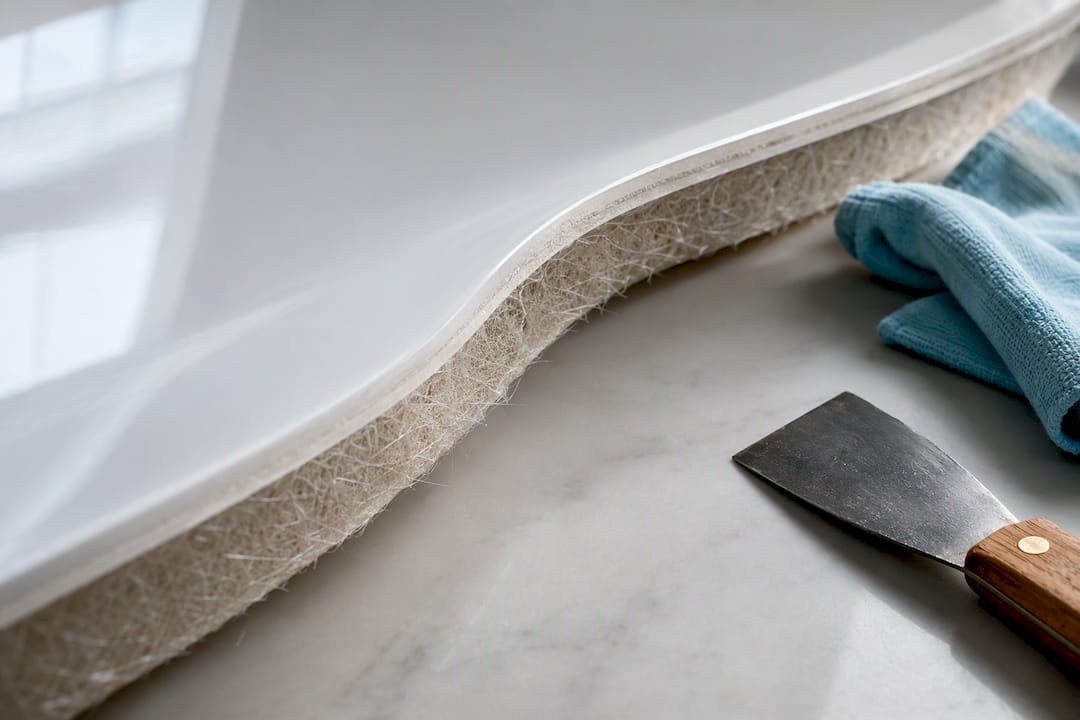
Quality varies enormously between brands, and this is where most buying mistakes happen. Some manufacturers laminate a thin acrylic skin over ABS plastic instead of using solid PMMA throughout, which cuts cost but also cuts heat retention and long-term stability. A tub built this way can look identical to a solid PMMA model in a showroom photo and behave very differently after two years of daily use.
What acrylic does well:
- Weighs far less than steel, which matters most for upper-floor bathrooms or renovations where you’re carrying the tub up a narrow staircase.
- Holds bathwater heat noticeably longer, since the plastic surface insulates rather than pulling warmth away from the water.
- Molds into curves, corner shapes, and freestanding designs that steel sheet metal simply cannot replicate.
- Lets you buff out light scratches yourself with a basic acrylic polishing kit rather than calling in a professional.
Where acrylic falls short:
- Thinner or poorly backed shells can flex underfoot, which stresses seams and shortens lifespan.
- Surface can discolor over years of exposure to harsh cleaners or hot water if the acrylic layer is too thin.
- Long-term durability depends heavily on build quality, so two “acrylic” tubs at different price points can age very differently.
Before you buy, run through this checklist:
- Ask for the acrylic sheet thickness in millimeters. Reputable models list this on the spec sheet; thinner sheets flex more.
- Confirm the reinforcement type. Fiberglass backing with a support frame outperforms a bare shell every time.
- Request the tub’s total weight. A surprisingly light acrylic tub for its size can signal a thin shell or ABS lamination rather than solid PMMA construction.
- Check the warranty length. Manufacturers confident in their acrylic thickness typically back it with 10+ years of coverage.
- Look at the support-frame specs, since a tub without a documented frame is one you’ll likely need to reinforce yourself during installation.
Pro Tip: Press firmly on the base of a display acrylic tub with your palm. A quality shell with proper backing won’t flex or make a hollow sound. If it does, walk away, regardless of the price tag.
Steel Bathtubs: Construction, Pros, Cons, and What to Check
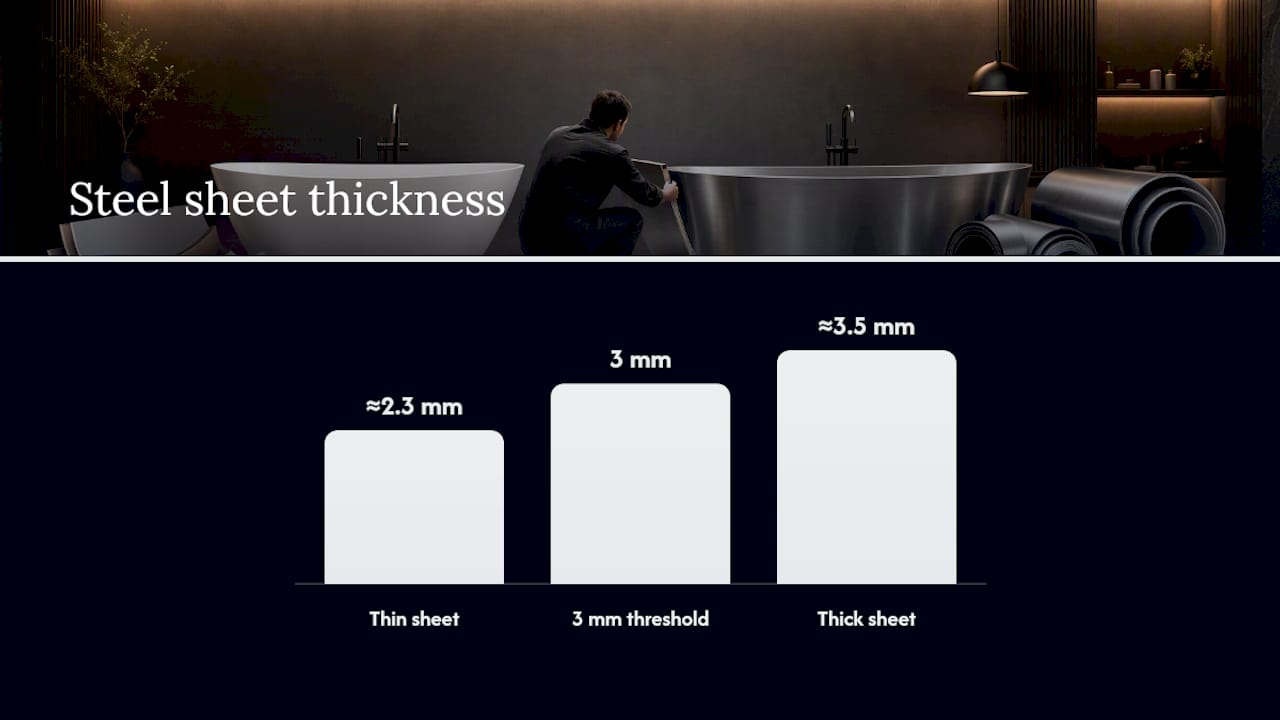
Steel bathtubs start as a pressed sheet of steel, coated with a layer of vitreous enamel fused at high temperature. That enamel layer is what gives the tub its glossy, scratch-resistant surface, and its thickness matters just as much as the steel itself. Most residential steel tubs use sheet steel between roughly 2.3mm and 3.5mm thick; thinner sheets tend to flex and produce a hollow, tinny sound when you knock on them, while sheets at the upper end of that range feel solid and hold their shape under weight for decades.
Steel’s core appeal is longevity. A well-enameled steel tub can outlast several rounds of bathroom cosmetic updates, and it holds up to daily scrubbing far better than a soft plastic surface would. It’s also fully recyclable at end of life, which matters if you’re thinking beyond a single renovation cycle.
What steel does well:
- Retains structural integrity for decades once properly installed, with abrasion resistance that shrugs off years of scrubbing.
- Resists scratching from everyday cleaning tools in a way that plastic surfaces can’t match.
- Is fully recyclable, since the steel core and enamel can both be reclaimed at the end of the tub’s life.
Where steel falls short:
- Weighs considerably more than an equivalent acrylic tub, which raises both delivery and installation costs, especially for upper floors.
- Chips in the enamel expose bare steel underneath, and once that happens, rust risk follows if it’s not addressed.
- Produces a noticeably louder sound when water fills the tub unless the installer adds sound-deadening insulation underneath.
Work through this checklist with any seller before you commit:
- Ask for the exact sheet thickness in millimeters, not just a general “heavy-duty” description.
- Ask how the enamel is applied and fired. Higher-temperature fused enamel resists chipping better than sprayed coatings.
- Confirm earthing requirements with your installer. Steel tubs, being conductive, typically need to be bonded to the home’s earthing system per local electrical code.
- Check the warranty terms for enamel defects specifically, separate from any structural warranty, since chips and cracks are usually covered differently than the shell itself.
Pro Tip: If a steel tub sounds tinny when you tap the rim in the showroom, ask about the sheet thickness immediately. A dull, solid thud usually signals steel at 3mm or thicker; a sharp ring often means a thinner sheet that will need extra installation support.
How Do You Choose the Right Bathtub for Your Renovation?
Start with the constraint that can’t be negotiated: your floor and your access route. A tub headed for a second-floor bathroom in an older building needs either a lightweight acrylic shell or confirmation from a structural professional that the floor can handle a heavier steel or stone-composite model. Getting a tub through a narrow stairwell or doorway is a real problem people run into mid-renovation, not a hypothetical.
From there, rank your priorities honestly:
- Budget first? Entry-level acrylic usually wins on sticker price, though a premium reinforced acrylic model can approach steel pricing.
- Long soaks and heat retention matter most? Acrylic holds bathwater warmth longer than bare steel, despite steel’s reputation for durability.
- Planning to keep this bathroom for 20+ years without touching it again? Steel’s abrasion resistance and enamel durability tend to reward that timeline.
- Want a sculptural or corner-fit shape? Acrylic’s molding flexibility beats steel’s pressed-sheet limitations every time.
Ask any seller these specific questions before ordering: What’s the exact thickness in millimeters? What’s the total product weight? What reinforcement or support frame ships with it? What does the warranty cover, and for how long? Selection frameworks built around plumbing layout, tub size, and budget consistently outperform decisions made on showroom looks alone.
Watch for these red flags: a listing with no material thickness specified, no mention of a support frame or reinforcement, or a price so low relative to comparable models that it suggests thin ABS-laminated plastic dressed up as acrylic.
Installation and Fitting: What Affects Cost and Feasibility
Weight drives most installation decisions. A standard acrylic tub weighs considerably less than steel tubs, whose weight varies with sheet thickness, and stone-composite options weigh considerably more than either. Upper-floor installs, older joists, or unusual load paths all call for a structural check before you order anything heavy.
Support matters just as much as weight. Acrylic tubs need a rigid support frame beneath the shell; skip it or install it incorrectly, and the tub will flex, which usually voids the manufacturer’s warranty outright. Steel tubs need secure leveling feet and, in most jurisdictions, proper earthing bonding since the metal shell is conductive.
A few practical fitting notes worth planning around:
- Steel tubs benefit from sound-deadening foam or spray insulation underneath to cut down on the hollow “drum” noise when filling.
- Waste and overflow fitting compatibility varies by model, so confirm your existing plumbing layout matches the tub’s outlet position before you finalize the layout.
- Tight stairwells or doorways favor acrylic’s lighter build, which reduces both labor time and delivery complexity.
Maintenance, Repair, and How Long Each Tub Actually Lasts
Acrylic responds well to mild soap and a soft cloth; abrasive powders and harsh solvents dull the surface over time and shorten its glossy life. Steel tolerates tougher scrubbing but chips if you drop something hard, and once the enamel breaks, exposed steel needs prompt attention to avoid rust.
Repairs differ by material. Acrylic scratches buff out with a polishing compound or a DIY patch kit for small gouges. Steel chips need enamel touch-up paint for minor spots, or professional re-enameling for larger damage.
- Acrylic: avoid ammonia-based cleaners and steel wool; both dull the surface faster than expected.
- Steel: avoid dropping metal objects into the tub and wipe standing water off chipped spots quickly.
- A simple value check: divide purchase price plus any expected repair costs by realistic years of service. A cheap acrylic tub needing an early replacement can cost more per year than a pricier, well-built one.
Proof Points: How to Check Product Specs on Santehnikasveikals
This guide was written by Renate for Santehnikasveikals, drawing on the same spec categories used across our own catalog: thickness, weight, reinforcement, and warranty terms. Every acrylic and steel bathtub listed carries a documented product spec page where you can check these figures directly rather than relying on marketing copy. If a listing anywhere is missing thickness or weight data, treat that as a reason to ask before you buy, not to assume the best.
The Bottom Line on Acrylic vs Steel
Pick acrylic when weight, shape, and upfront cost drive your renovation; pick steel when heat retention and decades of abrasion resistance matter more than either. Before ordering, measure your available space, confirm your subfloor can bear the load, and ask your seller for exact thickness, weight, and warranty figures. Then compare two real product pages side by side rather than guessing from photos.
— Renate
How We Guide Customers Through This Choice
Most renovation questions we field come down to one of two scenarios: a homeowner replacing a tub in a walk-up flat who needs something light enough to carry upstairs, or a family bathroom overhaul where long-term durability outweighs installation ease. We match customers to the right shell by walking through the same spec sheet you’d check yourself: thickness, reinforcement, weight, and warranty.
Our product pages carry full specifications for exactly this reason, and our team can talk through measurements or installation constraints before you order. If you’re not sure which category your bathroom falls into, use the site’s material filters to narrow the field, or reach out directly with your dimensions.
Compare Real Spec Sheets Before You Order
Santehnikasveikals lists both acrylic and stone-composite bathtubs with full spec sheets, so you’re never guessing at thickness, weight, or warranty terms the way you might on a showroom floor.

Two pages worth opening side by side while you decide: the VARIO M stone-composite bathtub at 1600x750mm, and the larger VARIO L model at 1700x750mm. Both list exact dimensions and weight so you can check them against your bathroom and stairwell before committing. If you’re weighing acrylic against a heavier build, our acrylic product line carries the same level of spec detail. Delivery runs throughout Latvia, and our team can talk through installation requirements, including support frames and earthing, before your order ships. Open a product page, check the numbers against your own measurements, and request a quote when you’re ready to move forward.
Atstājiet komentāru