





















































What Is a Trap Seal? A Homeowner’s Plumbing Guide
TL;DR:
- A trap seal is the water column inside a plumbing trap that blocks sewer gases from entering a building. Maintaining a depth of 2 to 4 inches ensures effective seal and prevents odors. Evaporation and venting issues are the main reasons for trap seal failure, which can be prevented with regular water refilling or mechanical devices.
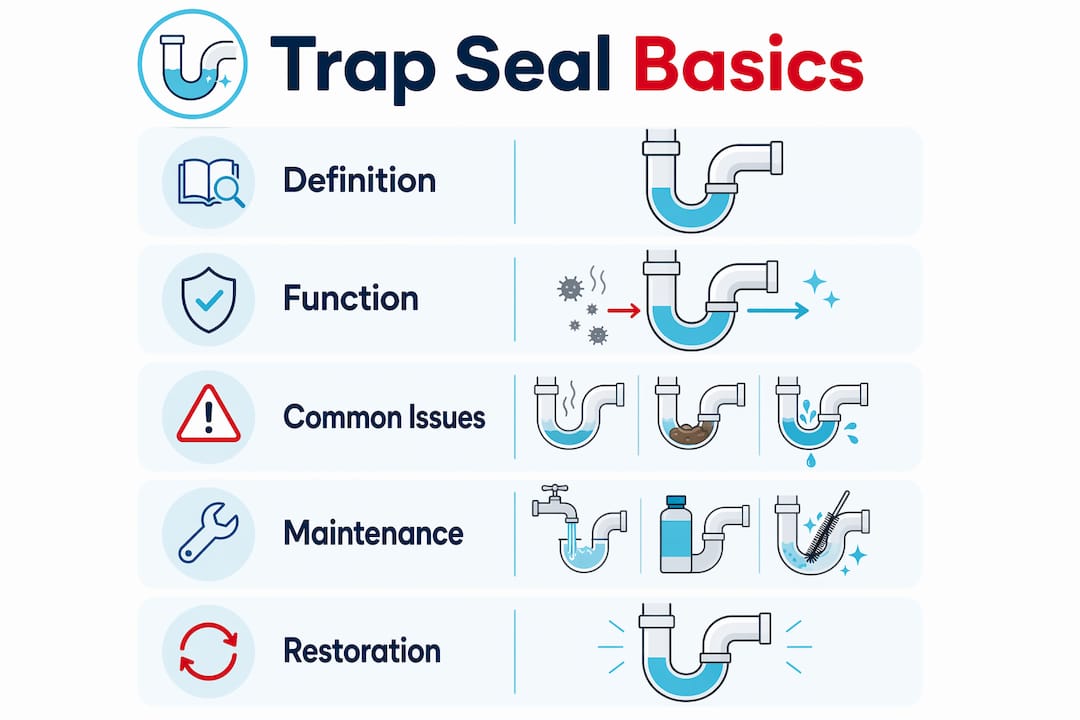
A trap seal is defined as the retained depth of water inside a plumbing trap that forms a liquid barrier blocking sewer gases from entering your home. Every sink, shower, and floor drain in your house depends on this small column of water to keep toxic and foul-smelling gases where they belong: in the sewer. The concept applies to all standard trap types, including the P-trap found under most bathroom and kitchen sinks. Brands like VIEGA manufacture traps specifically engineered to hold this seal reliably in both residential and commercial settings. Understanding how the trap seal works, and what destroys it, is one of the most practical pieces of plumbing knowledge a homeowner or builder can have.
What is trap seal? Definition and code requirements
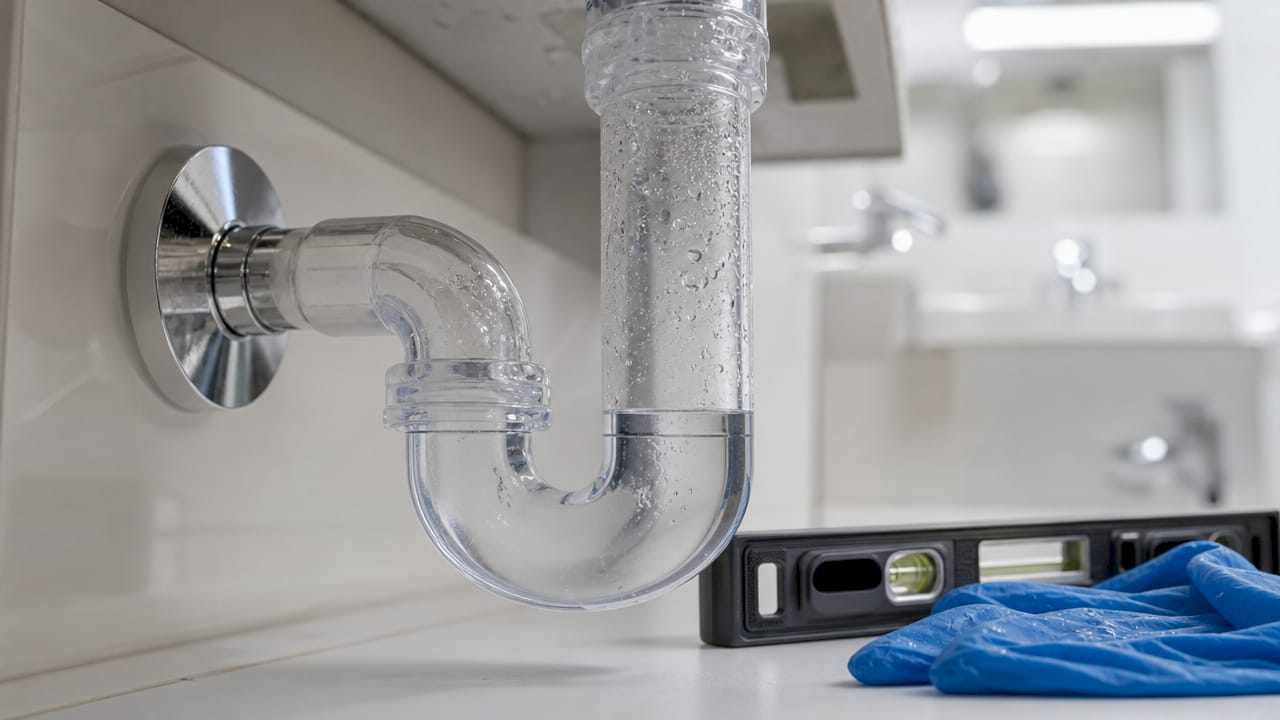
A trap seal is the vertical depth of water retained between the crown weir and the dip of a trap pipe. The crown weir is the highest point of the water surface inside the trap. The dip is the lowest point of the trap’s curved section. Water sitting between these two points is the seal.
The International Plumbing Code sets clear limits on how deep that water column must be. Code requires a liquid seal of at least 2 inches and no more than 4 inches. Too shallow, and the seal evaporates quickly or gets siphoned away. Too deep, and the trap becomes prone to self-siphoning and debris buildup.
Inspectors use the crown weir and dip measurements to verify compliance. This is not a visual check. Experienced plumbers verify trap seal depths by measuring water levels relative to the crown weir and dip rather than assuming water is present.
| Standard / Code | Minimum seal depth | Maximum seal depth | Measurement method |
|---|---|---|---|
| International Plumbing Code (IPC) | 2 inches | 4 inches | Crown weir to dip |
| Uniform Plumbing Code (UPC) | 2 inches | 4 inches | Crown weir to dip |
| UpCodes definition | Vertical distance | Vertical distance | Crown weir to top dip |
| ASPE guidance | 2 inches | 4 inches | Measured by inspector |
Pro Tip: If you are roughing in a new drain during a renovation, confirm the trap depth with a ruler before closing the wall. A trap installed at 1.5 inches of seal depth fails code and will dry out faster than one set at 2.5 inches.
How does a trap seal work to block sewer gas?
The trap seal works because water is denser than gas. Standing water in the trap) forms a liquid barrier that blocks sewer gases from traveling up the drain pipe and into your living space. Wastewater flows through and over the crown weir without breaking the seal permanently, because the trap refills after each use.
The geometry of a P-trap is what makes this possible. The curved pipe holds water by gravity at its lowest point. As long as that water stays in place, the seal holds. The moment the water level drops below the crown weir, the gas barrier disappears and sewer air moves freely through the drain opening.
Several physical factors determine how well the seal holds over time:
- Water depth: A seal at the full 2–4 inch range resists evaporation longer than a shallow one.
- Trap geometry: P-traps retain water more reliably than older S-traps, which are prone to self-siphoning.
- Venting: Drain lines must be vented) to atmosphere to keep pressure balanced and maintain trap seals. Without a vent, negative pressure pulls water out of the trap after each flush or drain event.
- Usage frequency: Traps in daily use refill constantly. Traps in guest bathrooms or floor drains can go weeks without water.
- Ambient temperature: Warm, dry air speeds up evaporation in low-use traps.
Pro Tip: Run water in every fixture in your home at least once every two to three weeks. This single habit prevents the majority of dry-trap odor complaints without any tools or products.
What causes trap seal loss or failure?
Trap seal failure stems from system-level conditions) like pressure imbalances and evaporation, not just a single broken component. This distinction matters because homeowners often call a plumber expecting a cracked pipe, when the real fix is running water or adding a vent.
Dry traps caused by evaporation or siphoning result in sewer gases escaping indoors, especially in areas that see infrequent use. Floor drains in basements, utility rooms, and guest bathrooms are the most common offenders. A drain that sits unused for three to four weeks in a heated interior can lose its seal entirely through evaporation alone.
Venting problems are the second major cause. When a drain vent is blocked or improperly sized, negative pressure builds in the drain line after water flows through. That pressure pulls water out of the trap in a process called siphoning. The result looks identical to evaporation loss but requires a different fix.
Here is how to diagnose trap seal failure step by step:
- Smell the drain. A sulfur or sewage odor coming directly from a drain opening is the clearest sign of a dry or failed trap.
- Check usage history. Has the fixture been used in the past two to three weeks? Infrequent use is the most common cause.
- Pour water into the drain. Add about a quart of water directly into the drain. If the odor disappears within minutes, the trap was dry and is now refilled.
- Check for gurgling sounds. Gurgling after flushing a nearby toilet points to a venting problem, not evaporation.
- Inspect for leaks under the fixture. A cracked trap body or loose connection can drain the seal even when the fixture is used regularly.
- Call a licensed plumber if odors persist. Persistent odors after refilling the trap suggest a venting defect or a deeper drain line issue.
Trap seals protect occupants from sewer gases and must be maintained properly. Hydrogen sulfide, methane, and other sewer gases are not just unpleasant. They are health hazards at elevated concentrations.
Practical solutions for maintaining trap seals
The simplest solution for maintaining a trap seal is also the most obvious: use the fixture regularly. Water flowing through the drain refills the trap and resets the seal. For fixtures that see little use, you need a more deliberate strategy.
About half a cup of mineral oil poured into a seldom-used trap floats on top of the water and dramatically slows evaporation. Mineral oil does not evaporate, does not react with drain materials, and does not harm the plumbing. This is a practical fix for basement floor drains, vacation home fixtures, and seasonal bathrooms.
For commercial buildings and low-use floor drains, code-approved mechanical solutions exist. The International Plumbing Code approves trap seal primers (ASSE 1018) and barrier devices (ASSE 1072) for trap protection under evaporation conditions. A trap primer automatically delivers a small amount of water to the trap on a timed or pressure-triggered basis. A barrier device uses a physical membrane to block gas without relying on water at all.
Key maintenance options by fixture type:
- Daily-use sinks and showers: No special maintenance needed. Regular use keeps the trap full.
- Guest bathroom sinks and tubs: Run water for 30 seconds every two weeks.
- Floor drains in basements or garages: Pour mineral oil monthly, or install an ASSE 1072 barrier device.
- Vacation or seasonal properties: Add mineral oil before closing the property. Consider an automatic trap primer for floor drains.
- Commercial restrooms with low traffic: Specify ASSE 1018 trap primers during the design phase.
Different trap seal protection methods are suitable for different fixture types and usage patterns. Builders need to specify the right solution at the design stage, not after odor complaints arrive. For more help identifying drainage odors at home, the drainage troubleshooting guide from Santehnikasveikals walks through the most common causes and fixes.
Key Takeaways
A trap seal is the water column inside a plumbing trap that blocks sewer gas, and maintaining a depth of 2–4 inches per code is the single most effective way to prevent odors and protect indoor air quality.
| Point | Details |
|---|---|
| Trap seal definition | The vertical water depth between the crown weir and dip, required at 2–4 inches by code. |
| Primary function | Blocks sewer gases from entering occupied spaces by forming a liquid barrier. |
| Main causes of failure | Evaporation in low-use fixtures and siphoning from poor venting are the top two causes. |
| Best DIY fix | Pour water into the drain every two to three weeks; add mineral oil for seldom-used traps. |
| Code-compliant solutions | ASSE 1018 trap primers and ASSE 1072 barrier devices protect floor drains automatically. |
Why trap seals deserve more attention than they get
Trap seals are one of those plumbing details that work silently for years and only get noticed when they fail. In my experience reviewing residential and commercial plumbing installations, dry traps are behind a surprising share of indoor odor complaints that homeowners assume are caused by something far more serious.
The most common misconception I see is that a sewer smell means a broken pipe or a failed wax ring under the toilet. Homeowners spend money on inspections and repairs before anyone thinks to check whether the floor drain in the basement simply dried out. Trap seals are often misunderstood by homeowners, who mistake dry traps for plumbing failures and end up paying for unnecessary repairs.
My advice for builders is to treat trap seal specification as a design decision, not an afterthought. Every low-use floor drain in a commercial or multi-family project should have an automatic primer or a barrier device specified on the drawings. Relying on maintenance staff to pour water into floor drains is not a reliable system.
For homeowners, the takeaway is simpler. Walk through your home once a month and run every faucet, shower, and floor drain for 30 seconds. Check the drainage troubleshooting guide if you notice odors after doing this. Most of the time, the fix costs nothing.
— Renate
Trap and drain products at Santehnikasveikals
Santehnikasveikals carries a full range of traps and drain components suited for both residential renovations and new commercial builds.

VIEGA floor traps are a reliable choice for maintaining proper seal depth in demanding installations. The VIEGA horizontal floor trap DN100 is built for basement and utility room drains where seal loss is most common. The VIEGA vertical trap 50 suits tighter installations where a horizontal outlet is not practical. Both models are designed to hold the 2–4 inch seal depth required by code. Browse the full plumbing product catalog at Santehnikasveikals to find traps, siphons, and drain accessories for every fixture type, with delivery available across Latvia.
FAQ
What is a trap seal in plumbing?
A trap seal is the retained depth of water inside a plumbing trap, typically 2–4 inches, that forms a liquid barrier blocking sewer gases from entering a building through the drain opening.
How deep does a trap seal need to be?
The International Plumbing Code requires a minimum seal depth of 2 inches and a maximum of 4 inches, measured vertically between the crown weir and the dip of the trap.
What causes a trap seal to fail?
The two main causes are evaporation in infrequently used fixtures and siphoning caused by poor or blocked drain venting. Both result in the water barrier disappearing and sewer gas escaping indoors.
How do I restore a dry trap seal?
Pour about a quart of water directly into the drain. If the odor clears within a few minutes, the trap was dry and is now refilled. For low-use drains, add half a cup of mineral oil to slow future evaporation.
Are mechanical trap seal devices code-approved?
Yes. The International Plumbing Code approves ASSE 1018 trap primer valves and ASSE 1072 barrier devices as code-compliant alternatives to water-based seals, particularly for floor drains in commercial and low-traffic areas.
Atstājiet komentāru