



















































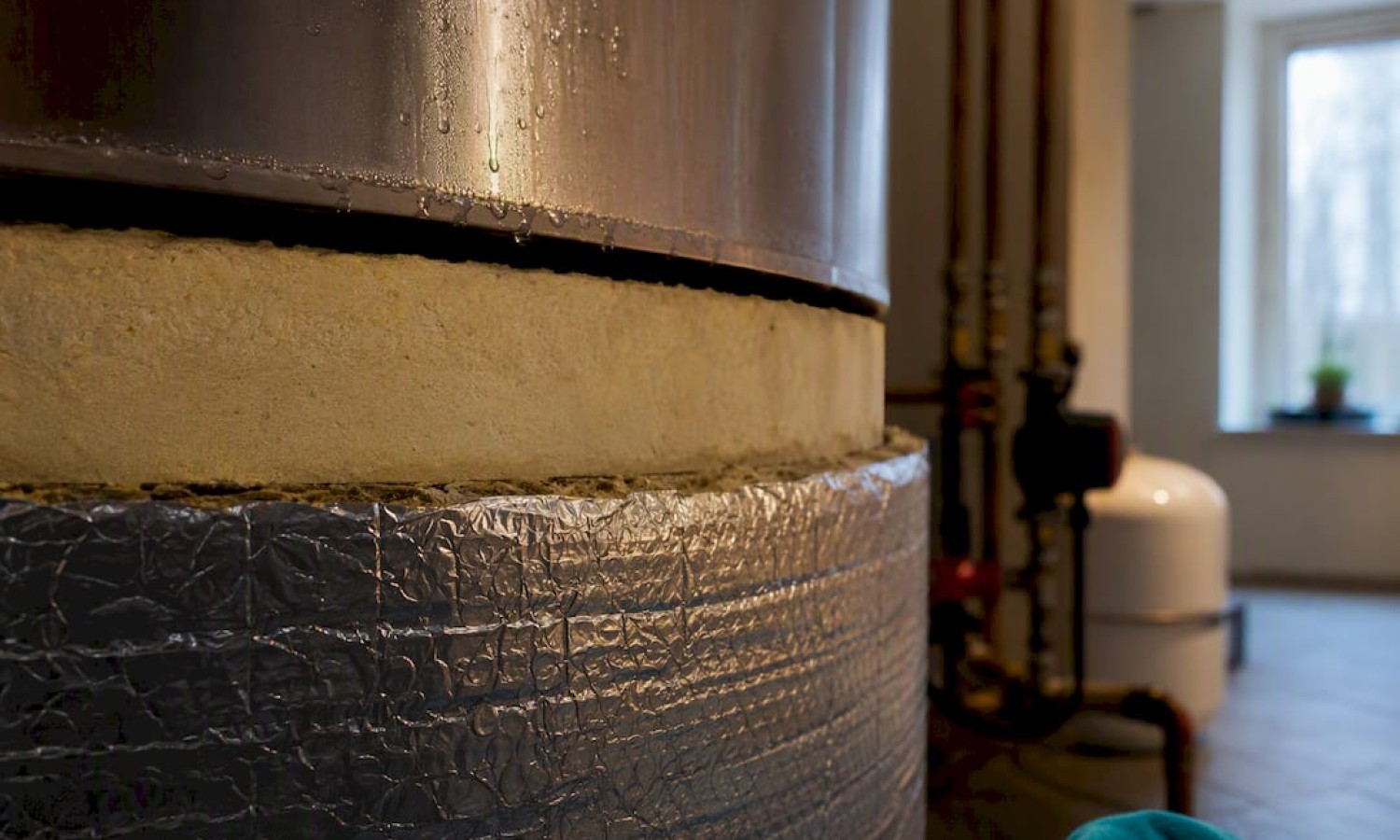

Stop Tank Condensation: 4 Insulation Types for Buyers in Latvia
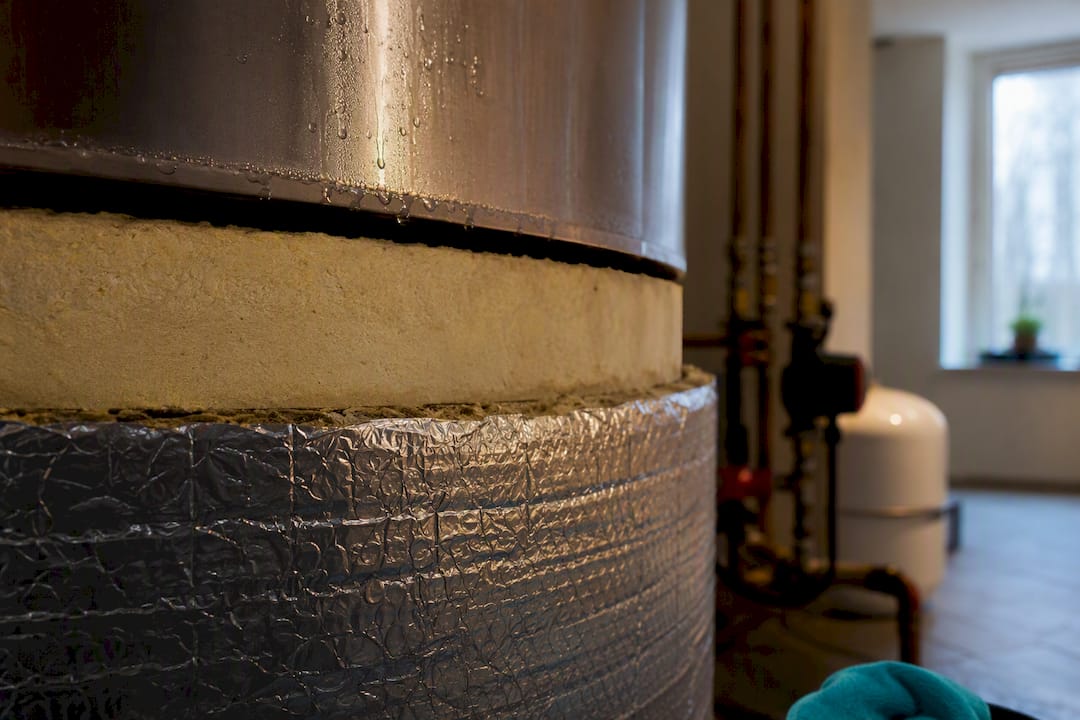
A form-fitting neoprene jacket or a closed-cell foam cover is the fastest, most reliable fix for tank condensation, whether the tank sits in a utility room, a boiler closet, or a basement. Before ordering one, measure the tank’s circumference and height, then check the room’s humidity level and airflow. Insulation alone will not solve a ventilation problem.
TL;DR:
- Properly fitted neoprene or foam covers can eliminate condensation on tanks if they raise the shell surface temperature above the dew point, with size matching crucial for effectiveness.
- Thickness, material type, fastening method, and temperature rating vary, impacting both performance and price, especially between standard and custom sizes.
- Installation requires dry tank surfaces, correct alignment with valves and fittings, and avoiding sealing pressure relief valves to ensure safety and functionality.
- Regular maintenance includes wiping down foam and rubber covers and inspecting seams, zippers, and mold signs to determine when replacement is necessary.
- For most small to medium tanks, a zippered neoprene jacket offers the best balance of ease of installation, washability, and condensation control, while larger or irregular tanks may need custom covers.
Table of Contents
- What Is Pretkondensāta Insulation for Tanks and How Does It Work?
- What Sizes and Price Ranges Should You Expect?
- How Do You Choose and Install a Condensation Cover?
- How Long Does Tank Insulation Last and How Do You Maintain It?
- Where Can You Buy Tank Insulation and What Should You Ask Suppliers?
- A Straightforward Recommendation for Most Buyers
- Get the Right Insulation and Ordering Support from a Latvian online plumbing and heating store
- Sources
- FAQ
What Is Pretkondensāta Insulation for Tanks and How Does It Work?
Tvertnes pretkondensāta izolācija means insulation designed specifically to stop moisture from beading on a tank’s outer shell. Cold water inside a tank pulls the surface temperature below the room’s dew point. Warm, humid air touches that cold shell and condenses, exactly the way a glass of ice water sweats on a summer table. Cover the shell with the right material and you raise its surface temperature above the dew point, which stops the moisture from forming in the first place. Building science research on cold-weather condensation confirms this: raising a cold surface above the interior dew point, with proper air leakage control, is what actually eliminates the moisture problem, not just insulation thickness alone.
Four product families cover almost every tank situation:
- Neoprene jackets (zipper style): These wrap around the tank and close with a zipper, so they fit filter tanks, pressure tanks, and softener tanks without disconnecting any plumbing. Latvian suppliers list them in various standard sizes commonly used for tanks, and most are machine washable.
- Closed-cell PE foam wraps: Continuous, seamless coverage that resists moisture absorption. Foam wraps work well on irregular shapes or tanks with awkward fittings where a zippered jacket won’t sit flush.
- Rubber (elastomeric) insulation sleeves: Often used on pipework connected to the tank rather than the tank body itself, these sleeves offer strong vapor resistance and hold up in humid mechanical rooms.
- Fabric-covered finished jackets: Built for visible installations where appearance and hygiene matter, such as tanks in a kitchen utility space or a shared building plant room.
Vapor permeability matters as much as thickness. A material that lets moisture pass through it can still leave a wet film on the tank surface if the room’s vapor load is high. Vapor control guidance from Building Science Corporation notes that vapor-permeable fills, like fiberglass or rockwool, generally need an added vapor control layer to reliably block moisture migration, a principle that applies just as directly to tank covers as it does to wall assemblies.
What Sizes and Price Ranges Should You Expect?
Sizing a jacket starts with two measurements: the tank’s circumference (or diameter, if you prefer to calculate it) and its overall height, including the domed top if the tank has one. Suppliers typically list products by these two dimensions together, such as “16x65,” where the numbers reference diameter and height in centimeters.
Before you order, check these specs:
- Insulation thickness. Thicker material handles bigger temperature swings between tank surface and room air.
- Material type. Neoprene, PE foam, and rubber each behave differently under humidity and physical wear.
- Fastening method. Zippers speed up installation and let you remove the cover for maintenance; adhesive or strap systems are harder to reposition.
- Maximum temperature rating. Relevant for tanks near heating equipment or hot water lines.
- Washability. Fabric-finished jackets can go in a washing machine; foam and rubber sleeves usually need a wipe-down instead.
Price bands vary by size and finish. Small domestic jackets sit at the low end of the market, mid-size commercial covers cost more because of the extra material and reinforced seams, and bespoke covers built to an unusual tank shape command the highest prices. Pipe insulation sleeves for the plumbing runs feeding a tank are sold separately, often by the meter or in fixed lengths, which is worth budgeting for alongside the tank cover itself.
How Do You Choose and Install a Condensation Cover?
Run through this checklist before you buy:
- Tank material. Plastic, fiberglass, and steel tanks all transfer cold differently, which affects how much insulation thickness you actually need.
- Operating temperature. A tank holding chilled water year round needs more coverage than one that only runs cold seasonally.
- Access requirements. Confirm the cover design leaves pressure gauges, relief valves, and inspection ports reachable.
- Room humidity. If the space already runs damp, plan on improving ventilation alongside the insulation purchase.
- Standard vs. custom size. Standard zippered jackets fit most residential filter and softener tanks; unusual shapes or large commercial vessels usually need a custom-cut cover.
Installation follows a short sequence once the product arrives:
- Wipe the tank surface completely dry. Trapped moisture under a new jacket defeats the purpose before you even finish zipping it closed.
- Wrap the jacket or sleeve around the tank body, aligning any pre-cut openings with valves, gauges, or the fill line.
- Close the zipper or fastening strap, working from bottom to top so the material sits flush without gaps.
- Seal any overlap seams, especially around branch fittings and pipe penetrations, where cold bridging is most likely.
- Check that relief valves, pressure gauges, and any required ventilation openings remain fully accessible after the cover is on.
Pro Tip: Never seal over a pressure relief valve to chase a “cleaner” look. If the valve needs to vent, a blocked cover turns a minor condensation fix into a safety hazard.
How Long Does Tank Insulation Last and How Do You Maintain It?
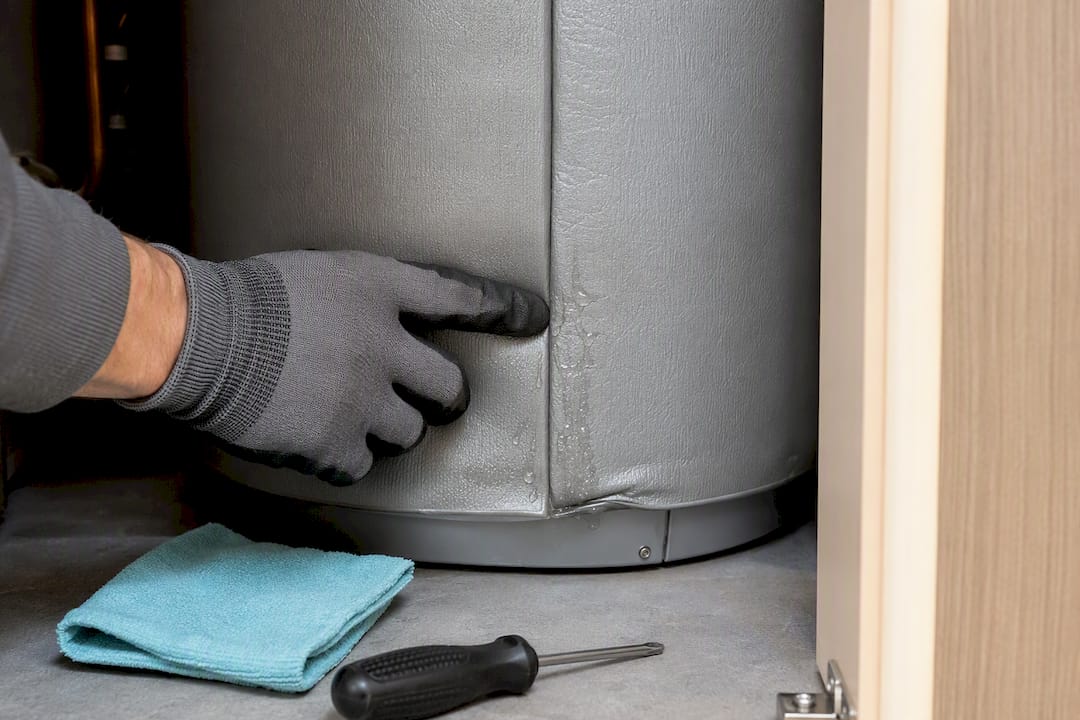
Neoprene covers with fabric finishes handle regular washing, which keeps dust and mildew from building up in humid rooms. Foam wraps and rigid rubber shells can’t go through a washing machine. Wipe them down instead and check the seams for gaps.
Inspect covers a few times a year for these warning signs:
- Seam separation or a zipper that no longer closes fully
- Damp patches on the outer fabric, which point to moisture getting trapped underneath
- Visible mold or a musty smell, especially in basement installations
- Compressed or brittle foam that has lost its original thickness
A cover in a high-humidity utility room or industrial setting wears out faster than one in a dry, temperature-stable space. Small tears or a failed zipper pull can often be patched. Widespread seam failure or persistent mold means it’s time for full replacement rather than a repair.
Where Can You Buy Tank Insulation and What Should You Ask Suppliers?
Standard-size neoprene jackets and foam wraps are usually in stock and ship quickly, since they’re manufactured in common tank dimensions. Bespoke covers for oversized or irregularly shaped tanks take longer, since they’re cut to order.
Before placing an order, ask any supplier for:
- A material data sheet confirming thickness, temperature rating, and vapor resistance
- A measurement template so you submit the right diameter and height figures
- Expected lead time for both standard and custom orders
- Return policy and warranty terms in case the fit is off
- Written installation instructions, particularly for covers with multiple valve cutouts
Keep a short procurement checklist on hand when you request a quote: exact tank measurements, operating temperature range, location of valves and gauges, whether you need a washable finish, and your target delivery date. Handing a supplier all five details up front cuts back on order revisions and gets the right cover to your site faster. If you’re also insulating the pipe runs feeding the tank, review pipe insulation materials at the same time, since cauruļu skaņas izolācija and thermal pipe wraps often ship from the same supplier as the tank cover.
A Straightforward Recommendation for Most Buyers
For the majority of domestic and small commercial tanks, a zippered neoprene jacket is the easiest call. It fits without disconnecting plumbing, it’s washable, and it solves condensation fast for tanks like softeners and pressure vessels. Reach for a custom foam or rubber shell instead when you’re dealing with an industrial tank, an outdoor installation, or a shape no standard jacket fits. Either way, pair the cover with a look at your room’s ventilation, since dehumidification and airflow matter just as much as the insulation itself.
— Renate
Get the Right Insulation and Ordering Support from a Latvian online plumbing and heating store
Online stores typically stock plumbing accessories and heating components that sit alongside your tank setup, and some provide support to help confirm measurements before you commit to a jacket size or a custom cover order. Getting the diameter and height right the first time saves a return shipment and a delayed installation.

Whether you’re insulating a pressure tank, replacing a heating radiator nearby, or sorting out the fittings that connect to your system, browsing our heating and plumbing catalog is the fastest way to see what’s in stock and get a price. Check current radiator and tank accessory listings, then place your order online with delivery across Latvia.
Sources
- Controlling cold-weather condensation using insulation — BuildingScienceDigest 163
- How ventilation boosts waterproofing for South African homes — ProWaterproofing
FAQ
How Do I Measure a Tank for a Pretkondensāta Jacket?
Measure the tank’s circumference (or diameter) and its full height, including any domed top, then match those numbers against a supplier’s size chart before ordering.
Does Insulation Alone Stop Condensation?
Usually not on its own. Insulation raises the tank’s surface temperature above the room’s dew point, but high indoor humidity or poor ventilation can still cause moisture to form, so pairing the cover with better airflow or dehumidification gets the most reliable result.
Can Neoprene Tank Covers Be Washed?
Yes, fabric-finished neoprene jackets are typically machine washable, while foam wraps and rigid rubber shells should only be wiped down rather than laundered.
How Long Does Tank Insulation Typically Last?
Lifespan depends on material and exposure. Covers in dry, stable rooms last considerably longer than those in high-humidity or industrial settings, where seams and foam degrade faster.
What Size Tank Jackets Are Commonly Available?
Standard zippered jackets come in common diameter-and-height combinations, with custom sizing available for tanks that fall outside typical size ranges.
Palikite komentarą