



















































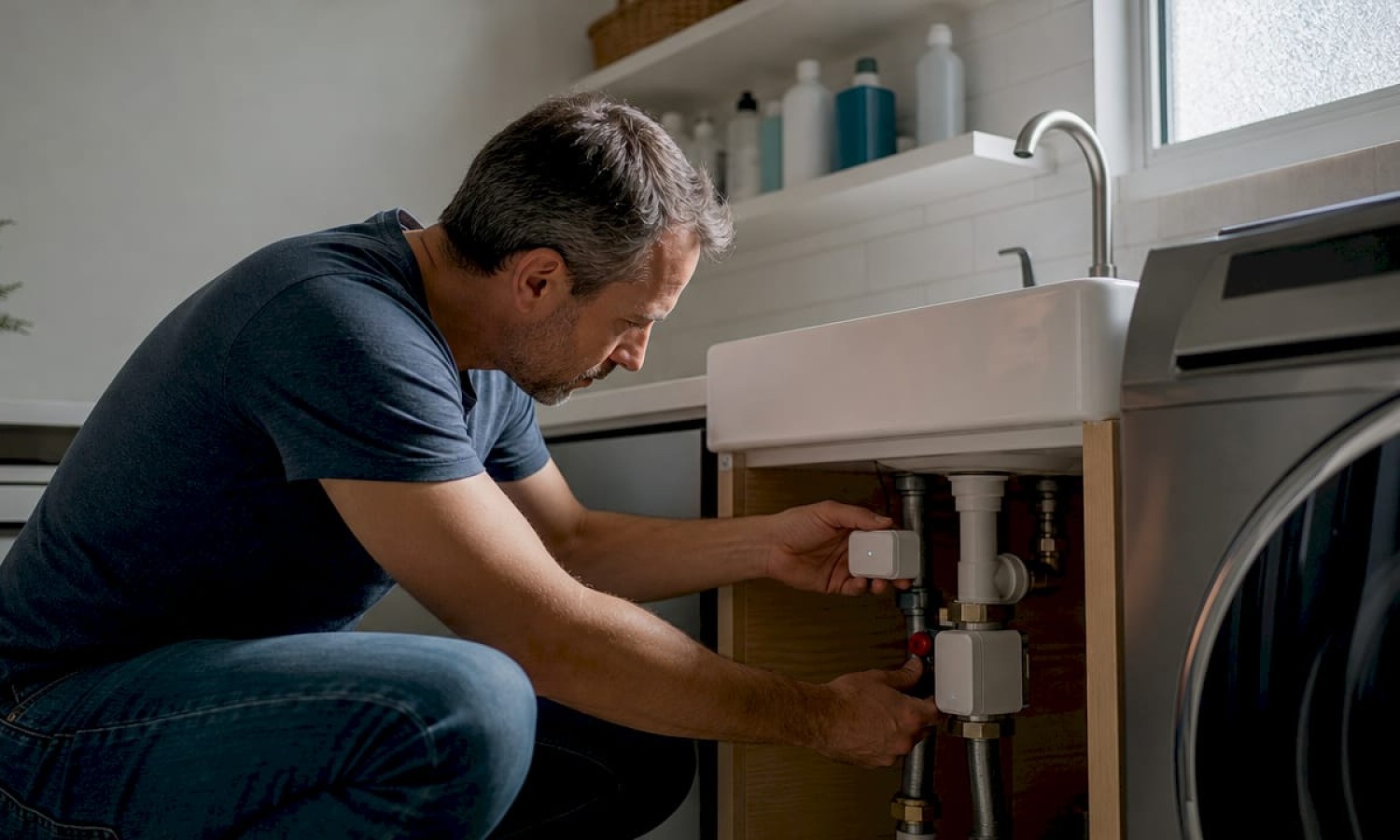

Smart Plumbing Advantages for Homeowners in 2026
TL;DR:
- Smart plumbing uses sensors and automated valves to monitor and control water systems in real time, reducing water and energy use. It detects leaks early and provides automatic shutoff, lowering repair costs and insurance premiums. The typical return on investment occurs within three to five years through utility savings, insurance discounts, and damage prevention.
Smart plumbing is defined as a network of sensors, automated valves, and connected water management devices that monitor and control residential water systems in real time. The advantages of smart plumbing go well beyond convenience. Homeowners and property managers gain measurable reductions in water and energy use, early warning against leaks, and financial returns through lower utility bills and insurance discounts. Industry data shows 20–30% water savings are achievable with real-time usage analytics and automated controls. This article covers every major benefit so you can decide whether a smart system fits your home and budget.
1. What are the advantages of smart plumbing for water savings?
Smart plumbing cuts residential water use by tracking every gallon in real time and flagging anything abnormal. The system compares your current flow rate against learned baseline patterns and sends an alert the moment usage spikes unexpectedly. That means a dripping toilet or a slow pipe leak gets caught in hours, not months.
- Real-time flow monitoring shows exactly where water is used and when.
- Leak alerts notify you by smartphone before a small drip becomes a flood.
- Smart irrigation controllers adjust outdoor watering based on weather data, eliminating overwatering.
- Low-flow fixture integration pairs with smart meters to confirm actual savings.
Industry reports confirm that smart systems reduce residential water consumption by 20–30%. That reduction translates directly into lower water bills every month, not just during a drought.
Pro Tip: Install a whole-home flow meter at the main supply line first. It gives you a complete usage picture before you add individual sensors, so you know exactly where to focus next.

2. Energy efficiency gains from smart water heating
Smart water heaters are the single biggest energy win in a connected plumbing system. They learn your household’s hot water schedule and heat only when demand is expected, cutting the standby energy loss that traditional tank heaters waste around the clock.
Key features that drive energy savings include:
- Scheduled heating cycles that align with morning and evening demand peaks.
- Vacation mode that drops the tank to a minimal holding temperature when you are away.
- Grid-responsive operation that shifts heating to off-peak hours when electricity rates are lower.
- Remote temperature adjustment via smartphone for immediate control.
Smart water heating systems save up to 65% energy compared to traditional electric water heaters. That figure reflects the combined effect of schedule optimization and reduced standby losses, not just one feature alone.
Pro Tip: Set your smart heater to grid-responsive mode if your utility offers time-of-use pricing. The system will automatically shift heating to the cheapest hours without any manual input from you.
3. Leak detection and automatic shutoff protection
Water damage claims cost more than fire or burglary claims in most homeowner insurance policies. Smart plumbing addresses this directly by detecting pinhole leaks and silent pipe failures before they cause structural damage.
Here is how the protection works in practice:
- Flow sensors monitor the main line continuously and detect abnormal patterns.
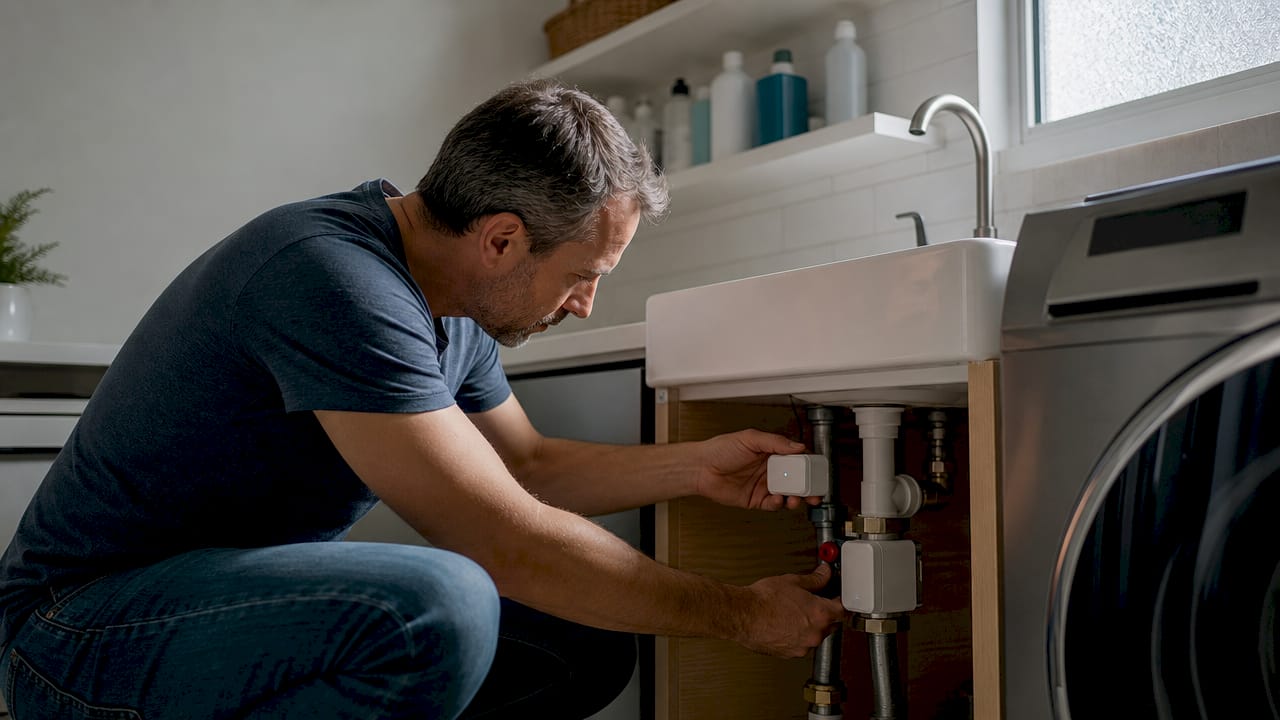
- Moisture sensors placed under sinks, near water heaters, and behind appliances catch surface leaks immediately.
- Automatic shutoff valves close the main water supply within seconds of a confirmed leak signal.
- Smartphone alerts notify you and, in some systems, your plumber simultaneously.
“The shift from reactive to proactive plumbing maintenance is the most significant change smart technology brings to homeownership.” — Kenzie Plumbing
Remote access to smart plumbing systems eliminates the anxiety of leaving home for a vacation. You can check live water status, shut off the supply remotely, and receive instant alerts from anywhere with a cell signal. That level of control was simply not possible with traditional plumbing.
Homeowners with whole-home leak detection and auto shutoff systems qualify for 5–10% insurance discounts because insurers recognize the reduced risk of catastrophic water damage. That discount compounds annually and contributes meaningfully to the system’s payback period.
4. Cost savings and return on investment
The financial case for smart plumbing rests on three separate income streams: lower utility bills, reduced insurance premiums, and avoided repair costs. Most homeowners focus only on the first, which undersells the full return.
| Savings Category | How It Works |
|---|---|
| Water bill reduction | 20–30% less consumption from monitoring and leak prevention |
| Energy bill reduction | Up to 65% savings on water heating costs |
| Insurance discount | 5–10% premium reduction for active leak detection systems |
| Avoided repair costs | Early detection prevents flooding, mold, and structural damage |
| Hidden leak repairs | Installation audits find existing leaks before they worsen |
Connected water systems shift ROI focus from simple efficiency to risk reduction. The avoided cost of one major water damage event can exceed the entire cost of a smart plumbing installation. That reframes the investment from a luxury upgrade to a form of home insurance.
Installation audits find hidden leaks in about 60% of homes. Those leaks were already costing money and causing slow damage before the smart system was ever turned on. Fixing them at installation creates immediate value that accelerates the payback timeline.
Industry reports indicate a 3–5 year payback period when utility savings, insurance discounts, and damage prevention are combined. For property managers overseeing multiple units, that timeline shortens further because the savings multiply across every unit simultaneously.
Pro Tip: Contact your insurance provider before installation and ask specifically about discounts for automatic shutoff valves. Get the discount confirmed in writing so you can factor it into your ROI calculation from day one.
5. Practical steps for adopting smart plumbing technology
Smart plumbing does not require a full home renovation to deliver value. A phased approach lets you start with the highest-risk areas and expand as your budget allows.
- Start with leak sensors under kitchen and bathroom sinks, near the water heater, and behind the washing machine. These are the spots where most flood damage originates and where inexpensive sensors deliver the fastest return.
- Add a smart water meter at the main supply line to get whole-home usage data. This single device gives you the analytics foundation for every other upgrade.
- Install a smart water heater or a retrofit controller on your existing tank to capture energy savings without replacing the full unit.
- Upgrade to a whole-home shutoff valve once you are ready for full automation. This step requires professional installation and a 1–2 week learning period for the system to establish your normal usage patterns.
- Connect everything to a single app so alerts, controls, and usage data appear in one place.
DIY installation works well for simple moisture sensors and smart faucet controllers. Full-home systems with automatic shutoff valves require a licensed plumber to connect the valve to the main supply line correctly. Skipping professional installation on that step risks both water damage and voided warranties.
For homeowners planning a broader renovation, reviewing current plumbing regulations in 2026 before specifying smart components saves time and avoids costly rework. Regulations in many markets now address smart valve requirements and water efficiency standards directly.
6. Smart plumbing vs. traditional plumbing: what actually changes
Traditional plumbing is passive. It delivers water when you open a valve and removes it when you drain. It gives you no data, no alerts, and no protection against slow leaks. Smart plumbing is active. It monitors, reports, and responds without waiting for you to notice a problem.
The practical difference shows up most clearly in three scenarios. First, a slow pipe leak behind a wall: traditional plumbing reveals it only when the wall shows water stains or mold, often months later. A smart system flags the abnormal flow within hours. Second, a burst pipe while you are traveling: traditional plumbing floods the home until someone physically shuts the main valve. A smart system closes the valve automatically within seconds. Third, energy waste from an aging water heater: traditional plumbing gives you no visibility into standby losses. A smart heater tracks energy consumption and alerts you when efficiency drops below normal, signaling that maintenance or replacement is due.
Property managers find the monitoring advantage especially valuable. A single dashboard can display water usage across multiple units, flag any property showing abnormal consumption, and generate reports for utility cost allocation. That level of visibility is not achievable with traditional fixtures regardless of their quality. Pairing smart monitoring with the right DIY plumbing tools also helps homeowners handle minor maintenance tasks confidently between professional service visits.
Key Takeaways
Smart plumbing delivers its strongest returns through combined water savings, energy efficiency, leak prevention, and insurance discounts, with a typical payback period of 3–5 years.
| Point | Details |
|---|---|
| Water consumption reduction | Smart systems cut residential water use by 20–30% through real-time monitoring and leak alerts. |
| Energy savings on heating | Smart water heaters save up to 65% energy versus traditional electric models through schedule optimization. |
| Insurance premium discount | Homes with active leak detection and auto shutoff qualify for 5–10% lower homeowner insurance premiums. |
| Phased adoption works | Starting with leak sensors in high-risk areas delivers protection without requiring a full system upfront. |
| Hidden leaks add immediate value | Installation audits find existing leaks in about 60% of homes, creating savings from day one. |
Why I think most homeowners underestimate smart plumbing
I have spent years watching homeowners weigh smart plumbing upgrades and almost always frame the decision as a water bill question. They calculate the monthly savings, divide by the installation cost, and decide the payback is too slow. That math misses the point entirely.
The real value is in the one event you never see coming. A burst pipe under a kitchen sink while you are at work for eight hours. A slow leak behind a bathroom wall that feeds mold for six months before you smell it. A water heater that fails silently and floods the utility room. None of those events show up in a monthly savings calculation, but each one costs far more than a complete smart plumbing installation.
What I have found is that homeowners who adopt smart plumbing incrementally, starting with a few sensors and a smart meter, almost always expand the system within a year. The reason is simple. Once you can see your water usage in real time and receive an alert the first time something unusual happens, going back to blind traditional plumbing feels genuinely uncomfortable. The peace of mind is not a marketing phrase. It is a real shift in how you relate to your home.
My recommendation is to start with the water heater and two or three leak sensors. That combination covers your two biggest financial risks, energy waste and water damage, at a fraction of the cost of a full system. Expand from there as your budget allows. The technology pays for itself. The confidence it gives you is the part that keeps homeowners from ever going back.
— Renate
Smart plumbing components available at Santehnikasveikals
Upgrading your home’s water system starts with the right components, and Santehnikasveikals carries a wide selection of plumbing fixtures, valves, and water management accessories suited for both phased upgrades and full installations.

Whether you are adding thermostatic shower controls like the ORAS ELECTRA shower panel or sourcing quality fittings for a full bathroom renovation, the Santehnikasveikals online plumbing store gives you access to trusted brands with delivery across Latvia. Browse the full catalog to find the components that match your home’s layout and efficiency goals.
FAQ
What is smart plumbing?
Smart plumbing is a system of connected sensors, automated valves, and monitoring devices that track water use and respond to leaks or abnormal flow in real time. It differs from traditional plumbing by providing active alerts and automatic shutoff rather than passive water delivery.
How much water can smart plumbing save?
Smart plumbing systems reduce residential water consumption by 20–30% through real-time usage analytics and early leak detection. Savings vary by home size and existing fixture efficiency.
Does smart plumbing lower homeowner insurance costs?
Homes with active smart leak detection and automatic shutoff valves qualify for 5–10% homeowner insurance premium discounts. Confirm the specific discount with your insurer before installation.
How long does it take to recoup the investment?
The typical payback period is 3–5 years when utility savings, insurance discounts, and avoided repair costs are combined. Homes with hidden leaks discovered during installation often see faster returns.
Do I need a plumber to install smart plumbing?
Simple leak sensors are DIY-friendly, but whole-home systems with automatic shutoff valves require professional installation. The system also needs a 1–2 week learning period after installation to establish normal usage patterns and minimize false alarms.
Recommended
- Must-Have Plumbing Tools for DIY Homeowners in 2026 | Santehnikasveikals.lv
- Plumbing Regulations 2026: What Builders Must Know | Santehnikasveikals.lv
- Advantages of Modern Sinks for Your Home Renovation | Santehnikasveikals.lv
- Drainage System Troubleshooting Steps for Homeowners | Santehnikasveikals.lv
Atstājiet komentāru