



















































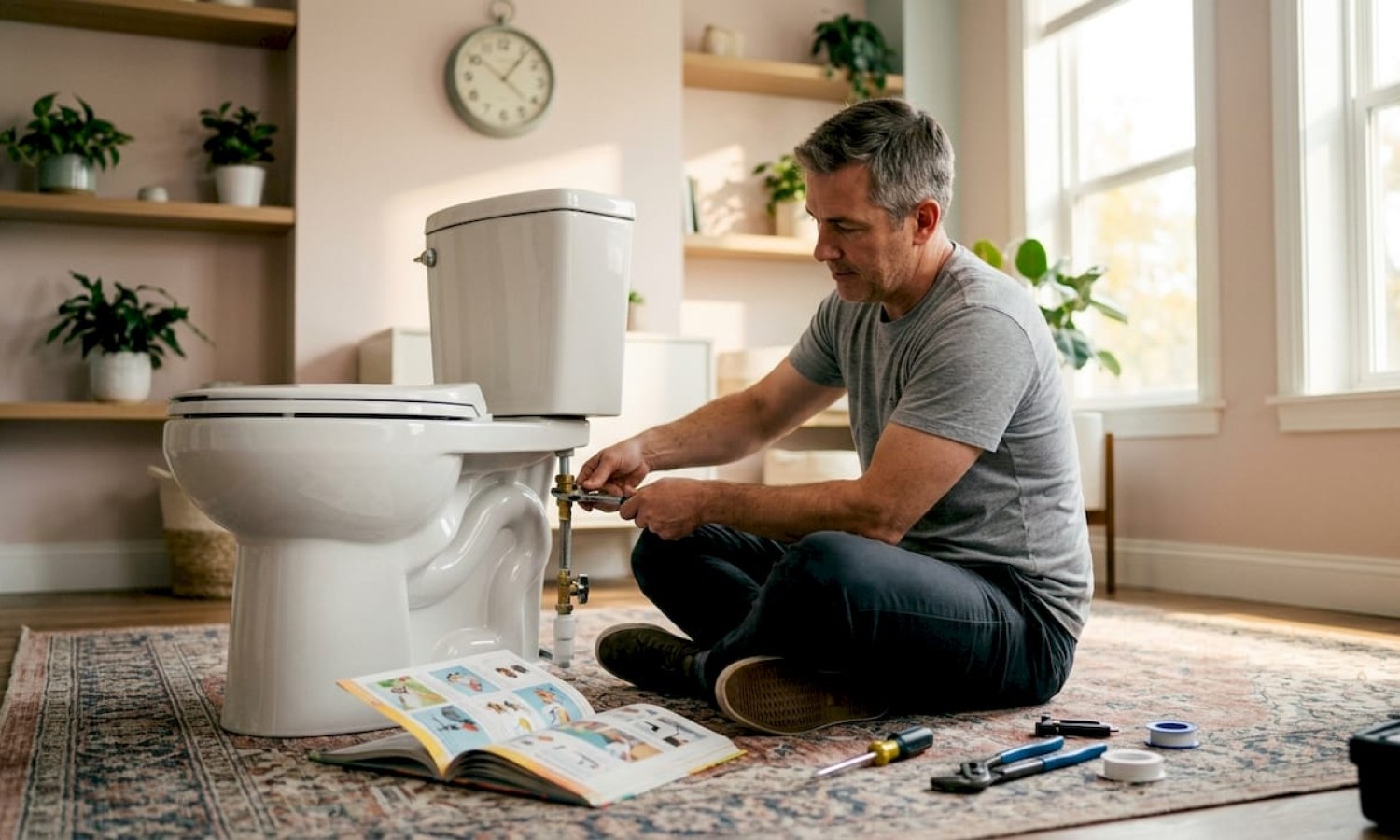

Benefits of Water-Saving Toilets for Your Home
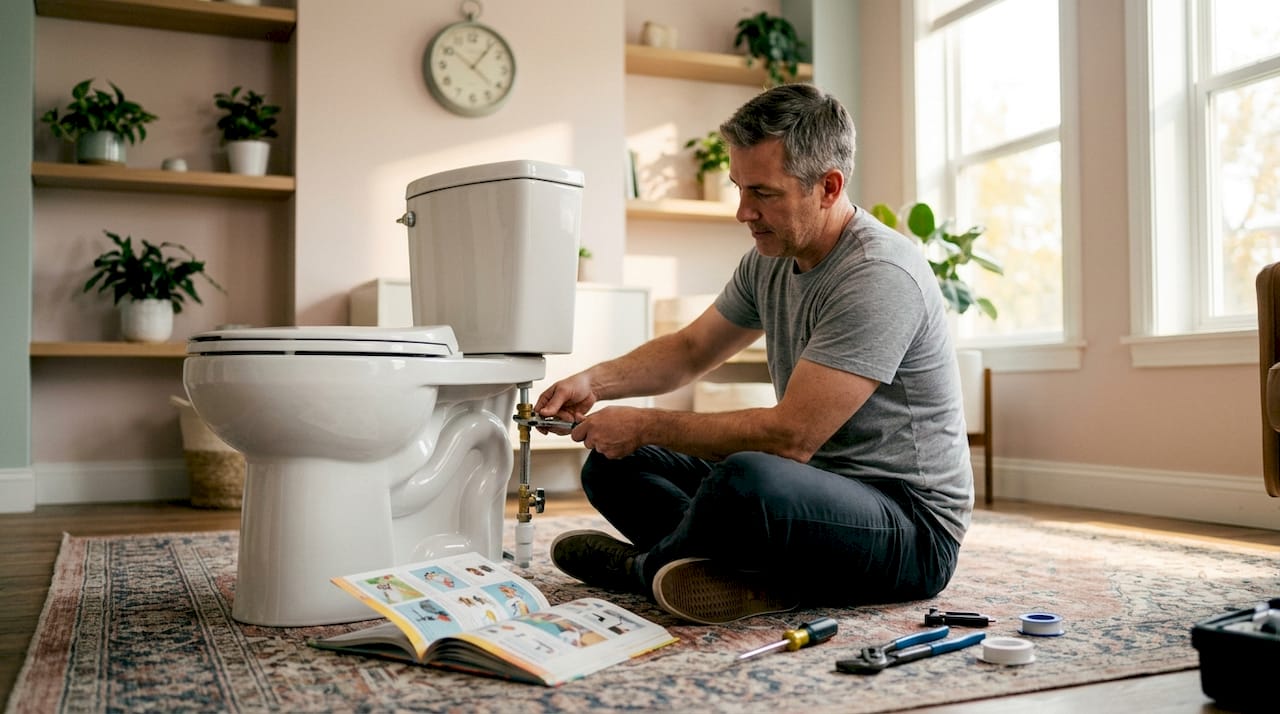
TL;DR:
- Water-saving toilets use 1.28 gallons per flush or less, reducing water consumption significantly. They also lower utility bills, support municipal water systems, and often qualify for rebates. Modern designs ensure strong flushing performance, making them effective and environmentally friendly options.
Water-saving toilets are defined as fixtures that use 1.28 gallons per flush or less, compared to older models that consumed 3.5 to 7 gallons per flush. The benefits of water-saving toilets go well beyond a lower water bill. A family of four can save roughly 13,000 gallons annually by replacing an outdated toilet with an EPA WaterSense-certified model. That single upgrade also reduces strain on municipal water systems, lowers your home’s carbon footprint, and often qualifies for local rebate programs that speed up your return on investment.
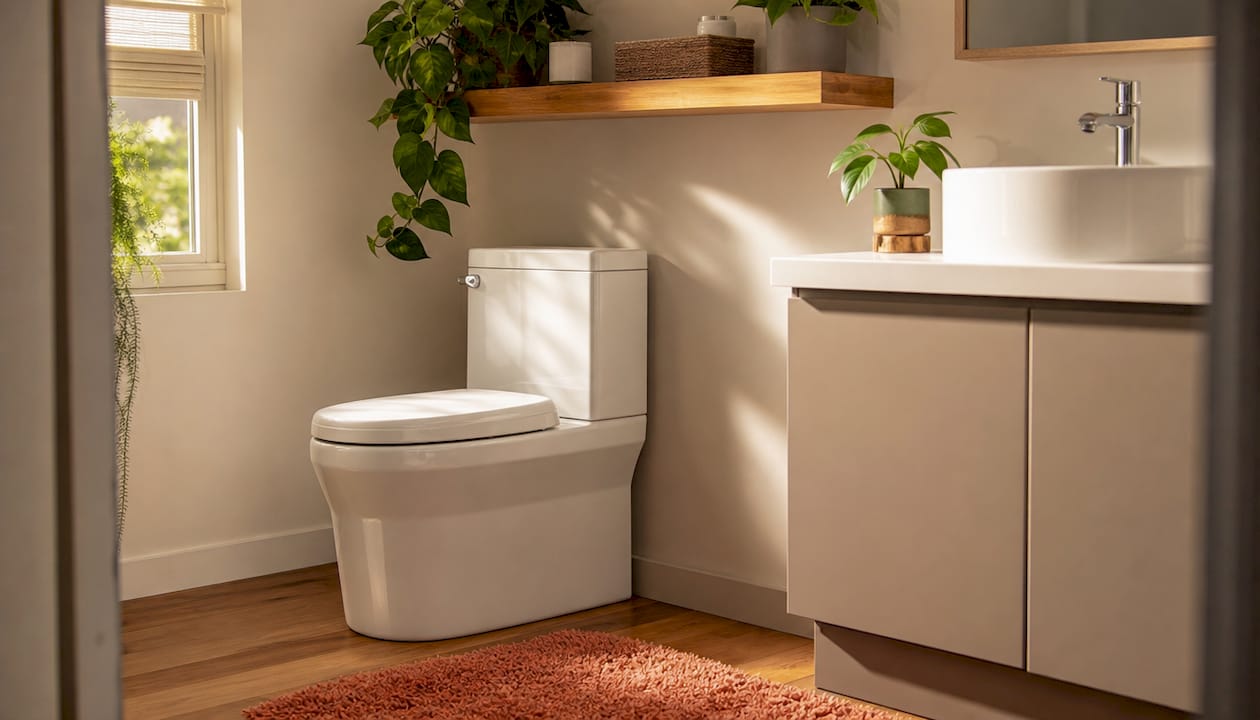
1. Benefits of water-saving toilets: real savings on your utility bill
The most direct advantage of switching to a water-efficient toilet is the drop in your monthly water bill. Older toilets used 3.5 to 7 gallons per flush. WaterSense-certified toilets cap usage at 1.28 gallons per flush, and many high-efficiency models go lower.
The numbers add up fast for a typical household. A family of four replacing one old toilet saves approximately $170 per year in utility costs. That figure reflects both water and the energy your municipality uses to treat and deliver it.
Local rebate programs push the savings even further. Programs like the Utah Water Savers offer up to $150 per qualifying toilet in financial incentives. When you combine that rebate with annual water savings, the toilet can pay for itself in just a few years.
| Toilet type | Gallons per flush | Estimated annual cost |
|---|---|---|
| Pre-1994 model | 3.5–7 GPF | High |
| Standard 1.6 GPF | 1.6 GPF | Moderate |
| WaterSense certified | 1.28 GPF or less | Low |
Pro Tip: Check your local water utility’s website before you buy. Many utilities offer rebates that stack with manufacturer promotions, cutting your upfront cost significantly.
2. How modern flushing technology delivers performance without waste
A common concern about low-flow toilets is that they sacrifice flushing power for efficiency. That concern is outdated. WaterSense certification requires every model to pass rigorous third-party tests for both water flow and waste removal before it earns the label.
Modern toilets use two primary flushing systems to maintain cleaning power:
- Pressure-assisted flushing uses compressed air inside the tank to force water into the bowl at high speed. This system works well in homes with strong water pressure and produces a thorough flush with minimal water.
- Gravity-fed flushing relies on the weight and velocity of falling water. Advances in bowl geometry and trapway design have made gravity-fed models far more effective than their predecessors.
- Dual-flush systems offer two buttons: a lower-volume flush for liquid waste and a full flush for solid waste. This flexibility reduces average water use per flush across the day.
- Ceramic glaze technologies such as CEFIONTECT reduce surface friction inside the bowl. Less friction means waste slides away more easily, so the toilet cleans effectively even with less water volume.
Pro Tip: If you have a household with young children, a single-flush WaterSense model often works better than a dual-flush design. Dual-flush toilets can confuse younger users, leading to the wrong button being pressed and water being wasted.
3. Environmental impact that goes beyond your household
Installing an eco-friendly toilet does more than shrink your water bill. High-efficiency toilets reduce the volume of water flowing through municipal treatment and wastewater systems. Less water to treat means less energy consumed at the plant level.
That energy reduction translates directly into lower carbon emissions at the community level. When thousands of homeowners in a single city upgrade to water-efficient bathroom fixtures, the combined effect on local infrastructure is substantial. Treatment plants run lighter loads, pump less water, and use fewer chemicals.
“Energy savings from water reduction extend community-wide, reducing strain and emissions related to water treatment plants. Modern toilets emphasize design precision over brute water volume, improving cleaning efficiency while saving water. Lower water volumes decrease community-level carbon footprints in ways that individual households rarely see but collectively drive.”
Water-saving toilets also pair naturally with other water-efficient bathroom fixtures. Combining a low-flow toilet with a water-saving showerhead and a sensor faucet creates a bathroom that uses a fraction of the water a standard bathroom consumed a decade ago. The advantages of modern sinks and other fixtures compound the savings when chosen together.
4. Considerations before you install a low-flow toilet
Switching to a water-saving toilet is straightforward in most homes, but a few factors deserve attention before you buy.
- Drain line slope. Older homes sometimes have drain pipes with inadequate slope. Improper drain slopes can cause clogging when paired with very low flush volumes. A licensed plumber can assess your rough-in and pipe conditions before installation.
- Rough-in measurement. The rough-in is the distance from the wall to the center of the drain. Most toilets use a 12-inch rough-in, but older homes sometimes have 10-inch or 14-inch configurations. Measure before you order.
- Dual-flush usability. Dual-flush models offer excellent efficiency, but they require consistent user behavior to deliver their full savings. In multi-generational households, a single-flush WaterSense model often provides more reliable results.
- Upfront cost versus lifetime savings. Water-efficient models typically cost more than basic toilets. Factor in your annual water savings and any available rebates when comparing prices. The long-term math almost always favors the efficient model.
- Professional installation for older homes. If your home was built before 1980, consult a plumber before installing any toilet rated below 1.28 GPF. The role of drainage slopes in your plumbing system directly affects how well a low-flow toilet performs.
5. How to choose the right water-saving toilet for your home
Selecting the right model comes down to matching toilet features to your household’s size, habits, and plumbing setup. Start with WaterSense certification as your baseline filter. Any toilet carrying that EPA-backed label has passed independent performance testing and meets strict efficiency standards.
From there, consider these factors:
| Factor | What to look for |
|---|---|
| Household size | Larger families benefit from pressure-assisted models with strong single-flush performance |
| Young children at home | Choose single-flush WaterSense models for consistent, confusion-free use |
| Older plumbing | Have a plumber verify drain slope before selecting models below 1.28 GPF |
| Budget | Compare upfront cost against annual savings and available local rebates |
| Cleaning preferences | Look for ceramic glaze technology to reduce bowl maintenance |
Check your local utility’s rebate program before finalizing your choice. Some programs require specific model certifications or minimum efficiency ratings to qualify. Matching your purchase to those requirements maximizes your financial return.
Style and dimensions matter too. Wall-hung toilets save floor space and simplify cleaning. Elongated bowls offer more comfort for adults. Compact round bowls suit smaller bathrooms. The smart plumbing advantages of pairing the right toilet with compatible fixtures extend well beyond water savings alone.
Key Takeaways
Water-saving toilets certified by the EPA’s WaterSense program deliver verified efficiency, lower utility bills, and measurable environmental benefits without sacrificing flushing performance.
| Point | Details |
|---|---|
| WaterSense certification matters | EPA-backed label guarantees third-party tested performance and water efficiency. |
| Annual household savings are real | A family of four saves roughly 13,000 gallons and about $170 per year. |
| Rebates accelerate payback | Programs like Utah Water Savers offer up to $150 per qualifying toilet. |
| Plumbing compatibility is critical | Older homes need a professional drain slope check before installing sub-1.28 GPF models. |
| Match the model to your household | Single-flush suits families with young children; dual-flush suits disciplined adult users. |
What I’ve learned after years of recommending water-saving toilets
The biggest myth I keep running into is that low-flow toilets clog more often or leave the bowl dirty. That was true of first-generation models from the 1990s. It is not true of anything carrying a current WaterSense label. The certification exists precisely to prevent that buyer frustration. Every model that earns it has passed independent waste-removal tests that older toilets never had to meet.
What I tell homeowners who are renovating older properties is this: get your drain lines checked first. The toilet is rarely the problem. The problem is a 40-year-old pipe with a slope that was designed for 5-gallon flushes. A plumber can assess that in under an hour, and it saves you from blaming a perfectly good toilet for a plumbing issue that predates it.
The rebate opportunity is also genuinely underused. Most homeowners I speak with have no idea their local utility offers cash back on qualifying toilets. That money is sitting there waiting to be claimed. Stack it with a WaterSense model, pair it with a water-efficient faucet and showerhead, and you have a bathroom renovation that pays dividends for the next 20 years.
My honest recommendation: do not let the upfront price of a quality water-efficient toilet stop you. The math on long-term savings is not close. The only real decision is which certified model fits your household’s habits and your home’s plumbing.
— Renate
Water-saving toilets available at Santehnikasveikals
Homeowners ready to act on these savings will find a broad selection of water-efficient bathroom fixtures at Santehnikasveikals, Latvia’s online plumbing platform with delivery across the country.

Santehnikasveikals carries toilets that meet strict efficiency and performance standards, alongside expert customer support to help you match the right model to your home’s plumbing setup. Whether you are renovating a single bathroom or outfitting a new build, the full product catalog includes options across a range of budgets and styles. The team can also guide you on which models align with local rebate program requirements, so you capture every available saving from day one.
FAQ
How much water does a low-flow toilet save per year?
A family of four replacing an old toilet with a WaterSense-certified model saves roughly 13,000 gallons annually, equating to about $170 in utility savings.
Do water-saving toilets flush as well as regular toilets?
Yes. WaterSense-certified models must pass rigorous third-party tests for waste removal before earning the label, so flushing performance is verified, not assumed.
Are dual-flush toilets worth it for families?
Dual-flush toilets offer strong efficiency gains, but they can confuse younger users in family settings. A single-flush WaterSense model typically delivers more consistent results in households with children.
Can I install a low-flow toilet in an older home?
Most older homes can accommodate a WaterSense toilet, but drain line slope should be verified by a plumber first, especially for models rated below 1.28 GPF.
What rebates are available for water-saving toilets?
Rebate availability varies by location. Programs like the Utah Water Savers offer up to $150 per qualifying toilet. Check your local water utility’s website for programs in your area.
Palikite komentarą