




















































From €90 Tubs to €600 Install: Bathtub Costs for Latvian Buyers
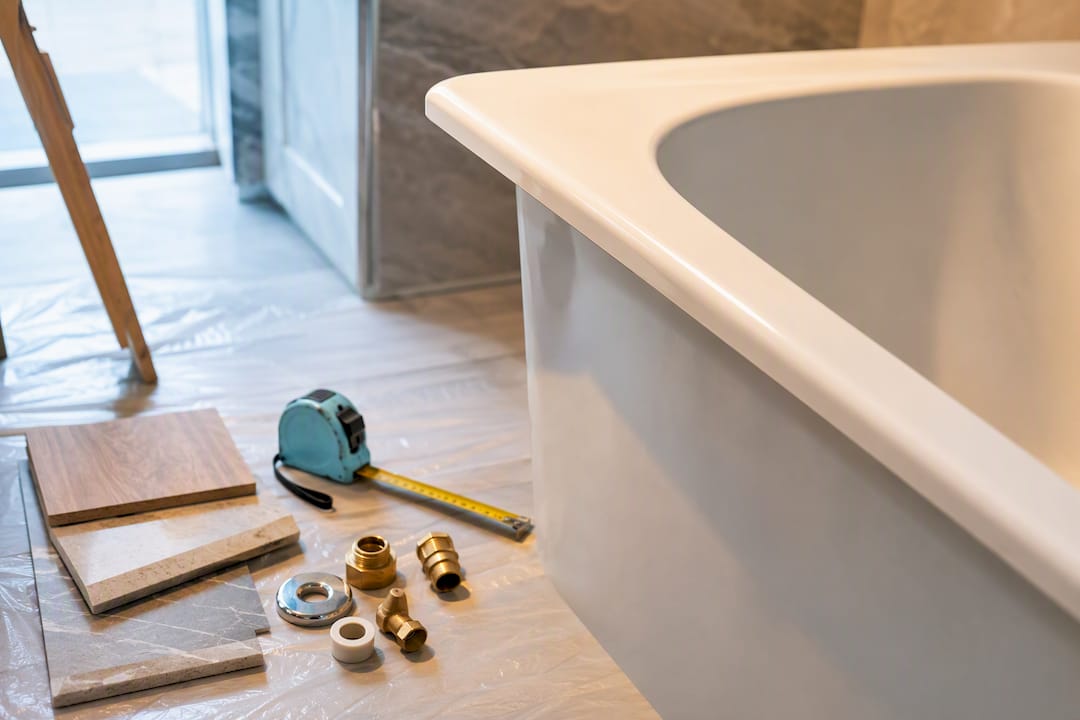
Expect to pay roughly €90 to €300 for an economy acrylic bathtub in Latvia, €150 to €450 for steel, enamel, or midrange solid-surface models, and €400 or more for cast-iron or premium stone-resin tubs. Installation and plumbing work commonly add several hundred euros, often ranging up to several hundred, depending on the extent of bathroom changes. Restoration may cost less than replacement when the tub’s structure and heat retention remain sound.
TL;DR:
- The typical price range for acrylic bathtubs in Latvia is between €90 and €250, but premium stone-resin models can cost over €900.
- Installation costs, including removal, plumbing, and tiling, can add €150 to €600, often exceeding the bathtub’s original price, especially for heavy materials.
- Restoring an old tub generally costs €300 to €400 and is suitable only if structural damage is minimal and the tub remains functional.
- Accurate quotes require precise measurements, clear questions about included costs, and considerations for heavier models’ load capacity and water heater output.
- Online retailers display detailed product specs and prices, helping buyers compare models like standard rectangular or corner stone-resin tubs before requesting quotes.
Table of Contents
- Cik Maksā Vanna? Price Ranges by Type and Size
- What Does Installing a Bathtub Actually Cost?
- Vannu Restaurācija vs. Replacement: Which Costs Less?
- How to Get an Accurate Quote for Your Bathtub Project
- What Latvian Buyers Can See on Santehnikasveikals.lv
- Warranty and After-Sales Costs You Should Budget For
- Don’t Forget Tiling and Waterproofing Costs
- A Practical Take on Buying a Bathtub in Latvia
- Getting an exact bathtub price from an online plumbing retailer can provide a faster path from browsing to budgeting than calling around for quotes. Bathtub listings on such sites often show dimensions, material, and price together, so buyers can match a model to their bathroom’s approximate footprint before contacting suppliers.
- Sources
Cik Maksā Vanna? Price Ranges by Type and Size
The material of a bathtub drives most of its price, and each material carries its own trade-off between weight, durability, and heat retention. Acrylic sits at the entry level because it is light, cheap to mold, and easy to ship, but it also scratches more easily and loses heat faster than heavier materials. Steel and enamel tubs cost more to manufacture and hold heat better, which pushes them into the midrange bracket alongside many solid-surface models. Cast iron and stone-resin sit at the top because they are heavy, slow to cool, and often finished by hand.
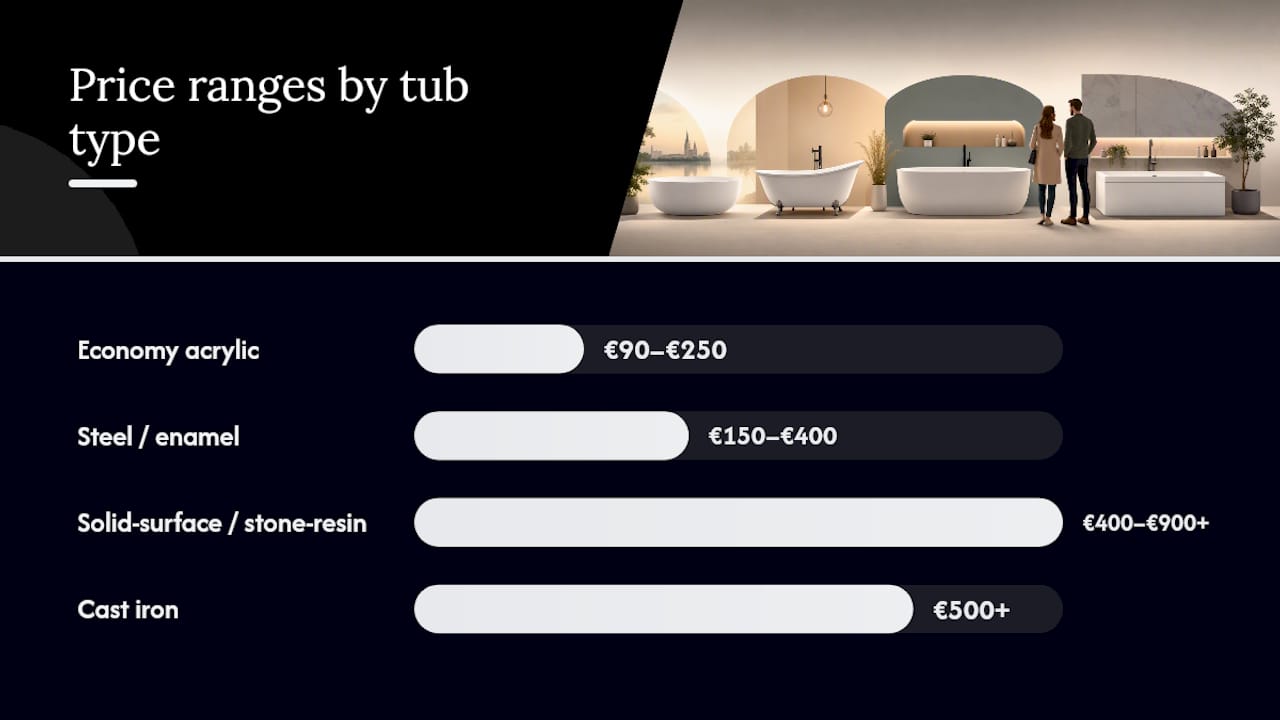
Local retail listings back this up directly. Acrylic tubs in Latvia are commonly listed under €100 up to around €250, with many standard models clustering between €150 and €250. Some Latvian aggregator sites show prices as low as €36 to €165 for small or basic models, which sets the real price floor in this market. On the premium end, stone-resin tubs marketed in Latvia are positioned well above acrylic, often produced locally and sold as a step up in both weight and finish quality.
Here is how the main categories typically break down for a Latvian buyer:
- Economy acrylic: €90–€250, light and easy to install, but shorter lifespan and weaker heat retention.
- Steel or enamel: €150–€400, better heat retention than acrylic, heavier to handle during installation.
- Solid-surface / stone-resin: €400–€900+, premium feel, excellent heat retention, but significant weight.
- Cast iron: €500 and up, extremely durable, but the heaviest option by far and the hardest to maneuver into an upper-floor bathroom.
Size and shape matter almost as much as material. A standard alcove tub around 150 to 170 centimeters long stays within the price ranges above, but freestanding models cost more because they need finished surfaces on all sides and often require a dedicated floor drain position. Families with children usually do fine with a standard steel or acrylic alcove tub. Buyers focused on relaxation or a spa-style soak tend to look at deeper solid-surface or stone-resin models, which hold heat longer during a long bath.
What Does Installing a Bathtub Actually Cost?
The tub’s price tag is only the starting point. Removal, delivery, and reconnecting plumbing typically add several hundred euros on top of the purchase price, and professional guidance on renovation budgets consistently flags this as the part homeowners underestimate most.
Pro Tip: Ask your installer for one combined quote covering removal, disposal, and reinstallation. Separate quotes from different tradespeople almost always add up to more than a single bundled job.
A realistic installed project usually includes these steps:
- Delivery of the new tub to the property, which can require extra handling fees for heavy stone-resin or cast-iron models on upper floors.
- Removal and disposal of the old tub, particularly relevant for cast-iron units that need two people or specialized tools to extract.
- Plumber hours to relocate or adjust the drain and water supply lines if the new tub’s footprint differs from the old one.
- Siphon, feet, and fittings, plus a compatible faucet, which typically shift a budget from economy toward midrange depending on quality chosen.
- Panel or tiling work around the tub’s exposed sides, needed for most alcove installations and virtually all freestanding setups.
Combined, these line items commonly add €150 to €600 to the total project, and a freestanding stone-resin or cast-iron tub sits at the higher end of that range simply because of the extra labor and transport involved. A straightforward alcove swap with no plumbing relocation can be finished in a single day; a full layout change with new tiling often stretches to a week or more.
Vannu Restaurācija vs. Replacement: Which Costs Less?
Restoring an existing tub is often the cheaper path in the short term. Restoration services in Latvia commonly fall in the €300 to €400 range in Riga, depending on the tub’s condition, and this usually covers surface refinishing, chip repair, and a new enamel or acrylic coating.
Restoration makes sense when:
- The tub’s structure is intact and the damage is mostly cosmetic (chips, dullness, minor cracks in the enamel).
- The tub is a standard size that still fits current plumbing and bathroom layout.
- You want to delay a full renovation without ripping out tile or flooring.
Restoration is a poor bet when the tub already has extensive structural damage, persistent leaks at the drain, or has been patched before. It also rarely improves heat retention, since refinishing changes the surface, not the underlying material. If a €350 restoration only buys another two or three years of use on a tub that is already 25 years old, a €200 to €400 replacement acrylic tub is usually the better long-term value.
How to Get an Accurate Quote for Your Bathtub Project
Getting a quote that actually holds up starts with measurements, not guesswork. Collect the tub footprint, the doorway and hallway clearance for delivery, and the exact drain location before you contact any supplier or installer. Buying guides consistently recommend confirming installation type first, before size or material, since a freestanding tub simply will not work in a space designed for a built-in alcove unit.
Before you commit to a quote, ask each supplier and installer these questions:
- Does the quoted price include delivery, old-tub removal, and disposal?
- What warranty period applies to the tub itself versus the installation labor?
- What is the expected lead time from order to delivery?
- Are siphon, panels, and faucet fittings included, or priced separately?
- Who handles disposal of the old unit, and is that cost itemized?
Checking floor load capacity and your water heater’s output matters just as much for heavier stone-resin or cast-iron tubs, a point design experts flag for anyone planning an upper-floor installation.
Build that contingency in from the start. Plumbing surprises behind an old tub are common enough that skipping this line item is one of the most frequent budgeting mistakes homeowners make.
What Latvian Buyers Can See on Santehnikasveikals.lv
Some online retailers list dimensions, materials, and price cues directly on each product page, which can make comparing real options faster than piecing together quotes from multiple sources. For stone-resin buyers specifically, the site’s VARIO series shows exactly how size and material combine to shape price at the premium end of the market.
Three product pages worth checking as reference points:
- Vanna Paa VARIO M, a 1,600 x 750mm stone-resin tub in white, useful as a baseline for standard-length premium tubs.
- Vanna Paa VARIO L, the 1,700 x 750mm version, showing how a modest length increase shifts specs and price.
- Vanna Vispool LAGO, a 153 x 106cm corner stone-resin tub, illustrating how corner shapes compare against standard rectangular layouts.
These listings give Latvian shoppers a concrete reference for stone-resin pricing before requesting installer quotes.
Warranty and After-Sales Costs You Should Budget For
Warranty terms vary by manufacturer and material, and they affect your total cost more than most buyers expect. Acrylic tubs typically carry shorter warranty periods than solid-surface or stone-resin models, reflecting their thinner shell and higher likelihood of surface wear over time. A longer warranty on a premium tub isn’t just a paper guarantee. It usually signals a manufacturer confident enough in the material’s resistance to chipping and discoloration to stand behind it for a decade or more.
After-sales costs come from a different direction: labor callbacks. If a fitting leaks or a drain seal fails within the first year, ask upfront whether the installer’s labor warranty covers a free return visit or charges a new call-out fee. Some installers bundle a short labor guarantee, typically 12 months, into their original quote, while others treat any return visit as a new job.
Replacement parts also matter for older tubs. Enamel and cast-iron models can outlast their original fittings, and sourcing a matching siphon or overflow cover for a decades-old tub sometimes costs more than the part itself would on a new model. When comparing quotes, ask specifically whether the warranty covers the tub shell, the fittings, or both, since suppliers rarely volunteer that distinction unless you ask directly.
Don’t Forget Tiling and Waterproofing Costs
Swapping a bathtub rarely stays contained to the tub itself. Removing an old unit almost always disturbs the surrounding wall tile, and any gap or crack in that tile exposes the wall cavity to moisture. Budgeting for at least partial retiling around the new tub’s perimeter avoids a mismatched patch job that looks worse than the surface it replaced.
Waterproofing membrane behind the tiled area is the step most homeowners skip, and it’s the one that causes the most expensive repairs down the line. If the old membrane was installed decades ago, it’s often degraded even if the surface tile still looks fine. Replacing it during a tub swap costs far less than fixing water damage to a subfloor or ceiling below years later.
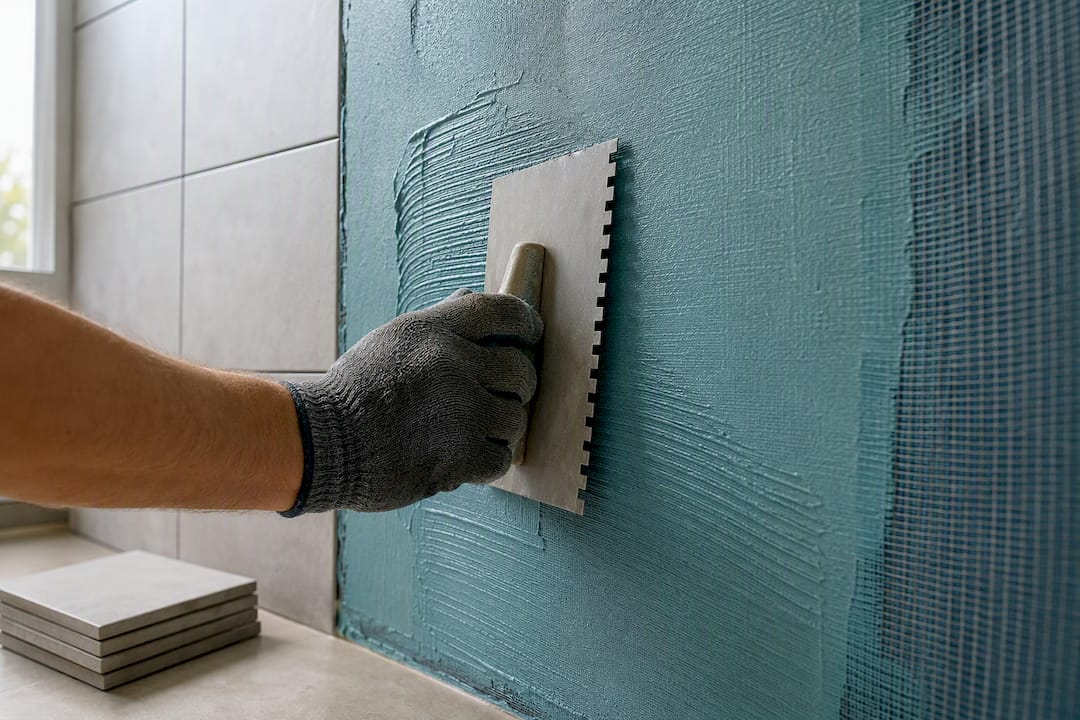
Floor tiling around the tub base, a new access panel for the drain, and fresh silicone sealant along every joint round out the finishing costs. None of these are optional if you want the installation to last, and each one adds to the plumbing and panel costs already covered in your project budget. A full bathroom remodel built around a new tub commonly costs several times the tub’s own price once tiling, waterproofing, and finish work are included, which is exactly why the budget worksheet approach matters more than fixating on the tub price alone.
A Practical Take on Buying a Bathtub in Latvia
For a typical Latvian household, a midrange steel or solid-surface tub balances price and heat retention better than chasing the cheapest acrylic option. The most common mistake buyers make is pricing only the tub and forgetting that plumbing, tiling, and disposal often cost as much as the tub itself.
— Renate
Getting an exact bathtub price from an online plumbing retailer can provide a faster path from browsing to budgeting than calling around for quotes. Bathtub listings on such sites often show dimensions, material, and price together, so buyers can match a model to their bathroom’s approximate footprint before contacting suppliers.

If a stone-resin tub fits your renovation plans, the Vanna Paa VARIO M and the larger VARIO L are solid starting points for comparing standard rectangular layouts, while the corner-shaped Vispool LAGO suits bathrooms where floor space is tighter. Measure your bathroom’s footprint and doorway clearance first, then check product specs online, and request delivery and installation quotes before committing to a purchase date.
Оставьте комментарий