




















































Bathroom Renovation Costs in Latvia: What to Expect in 2026
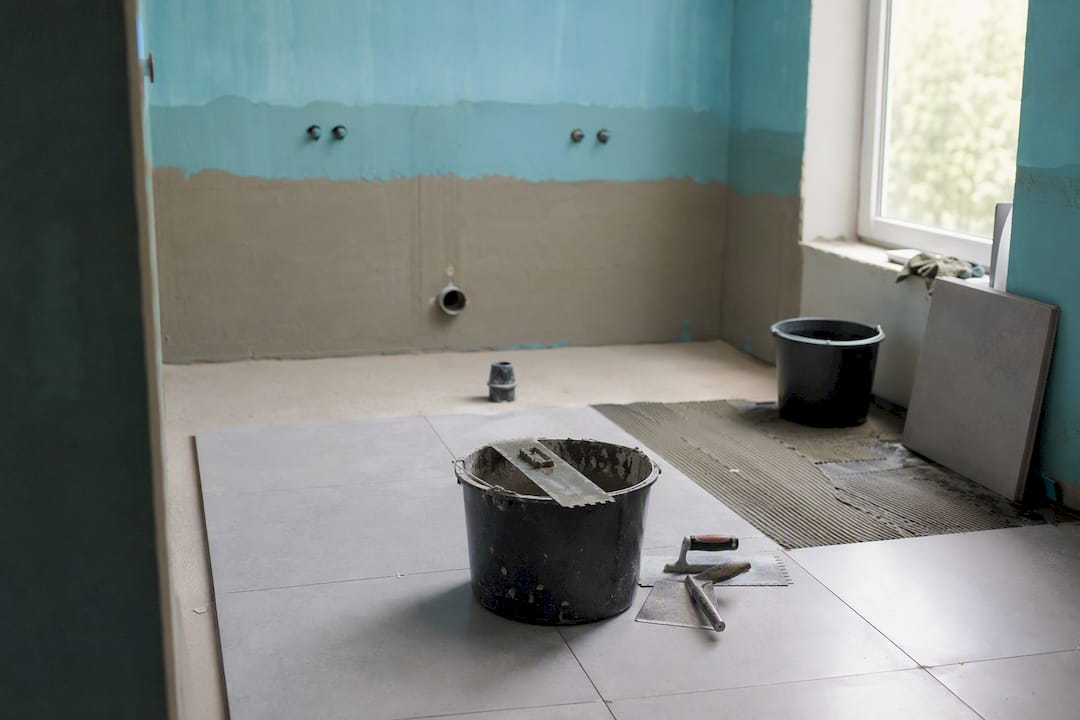
A basic bathroom renovation in a small 4 to 5 m² space runs €1,500 to €2,500 in Latvia, while a medium bathroom with new plumbing and full tiling typically lands between €2,500 and €4,500. A full rebuild that moves plumbing lines, adds heated flooring, or swaps in premium fixtures can push past €8,000. The single biggest cost driver isn’t the tile you pick, it’s whether the toilet, sink, or shower drain moves from its current spot.
Before ordering materials, it is wise to include a contingency reserve of about 10 to 15 percent of your budget and obtain multiple detailed contractor quotes to better estimate costs.
- Small bathroom (4 to 5 m²): €1,500 to €2,500 for a basic refresh
- Medium bathroom (6 to 8 m²): €2,500 to €4,500 with plumbing and tiling replacement
- Full rebuild with layout changes: €5,000 to €8,000+, depending on fixtures and finishes
- Cost multipliers: moving plumbing lines, underfloor heating, and premium fixtures each add hundreds to thousands of euros
Key Takeaways
Bathroom renovation costs in Latvia in 2026 depend most on whether plumbing moves, how much waterproofing and labor cost, and how carefully you price materials before requesting quotes.
| Point | Details |
|---|---|
| Know your range | Small bathrooms run €1,500 to €2,500; mid-range full renovations often land between €3,000 and €8,000. |
| Add contingency early | Reserve 10 to 15% of your budget, rising to 20% in older buildings or layout changes. |
| Never skip waterproofing | It costs €150 to €350 upfront but prevents far costlier water damage repairs later. |
| Separate labor from materials | Request itemized quotes so you can compare contractors fairly and spot inflated pricing. |
| Price materials before hiring | Santehnikasveikals.lv product pages let you total fixture and material costs before requesting labor quotes. |
Table of Contents
- What Does Vannas Istabas Remonta Izmaksas Break Down Into?
- Should You Hire a Contractor or Do It Yourself?
- Why Does Waterproofing Cost So Much to Get Wrong?
- Where to Buy Bathroom Fixtures and Materials in Latvia
- Does Renovating in Riga Cost More Than in Smaller Towns?
- What Financing Options Exist for Bathroom Renovations in Latvia?
- How Do You Get Accurate Quotes From Contractors?
- Smart Ways to Cut Costs Without Cutting Corners
- What Renovation Mistake Do Latvian Homeowners Repeat Most?
- Turn Your Materials List Into an Order With Santehnikasveikals.lv
- Where to Verify These Figures and Keep Planning
- Sources
What Does Vannas Istabas Remonta Izmaksas Break Down Into?
Vannas istabas remonta izmaksas, or the total cost of a bathroom renovation, comes down to seven line items that every Latvian contractor quote should itemize separately. Skipping this breakdown is how homeowners get surprised mid-project when a “simple retile” turns into a €3,000 job.
Demolition and disposal typically cost €300 to €600, depending on how much old tile, plaster, and fixtures need to come out and how many trips to the landfill that requires. Wall and floor preparation, including leveling and patching, runs €250 to €600. Waterproofing, the layer that protects the apartment below yours from a very expensive leak, costs €150 to €350 on its own. Tiling labor and materials together fall in the €500 to €1,200 range for a standard bathroom, while plumbing and pipe work lands between €400 and €900. Electrical and ventilation updates, often overlooked in early budgets, add €200 to €700. Fixtures (toilet, sink, shower, bathtub, faucets) span the widest range: €500 to €1,800, depending entirely on what you choose.
Two sample budgets show how these numbers stack up in practice:
- Basic 5 m² refresh (existing layout kept): Demolition €350, prep €300, waterproofing €200, tiling €600, plumbing (fittings only, no relocation) €400, electrical €250, fixtures €700. Total: roughly €2,800.
- Standard mid-range 7 m² renovation (new tiling, upgraded fixtures): Demolition €500, prep €500, waterproofing €300, tiling €1,000, plumbing €700, electrical €500, fixtures €1,400. Total: approximately €4,900, which sits comfortably inside the €3,000 to €8,000 mid-range band that Latvian consumer guides report.
Notice that fixtures and tiling eat the largest share in both budgets. That’s where product selection matters most, and where a few smart swaps can trim hundreds of euros without touching structural work.
Should You Hire a Contractor or Do It Yourself?
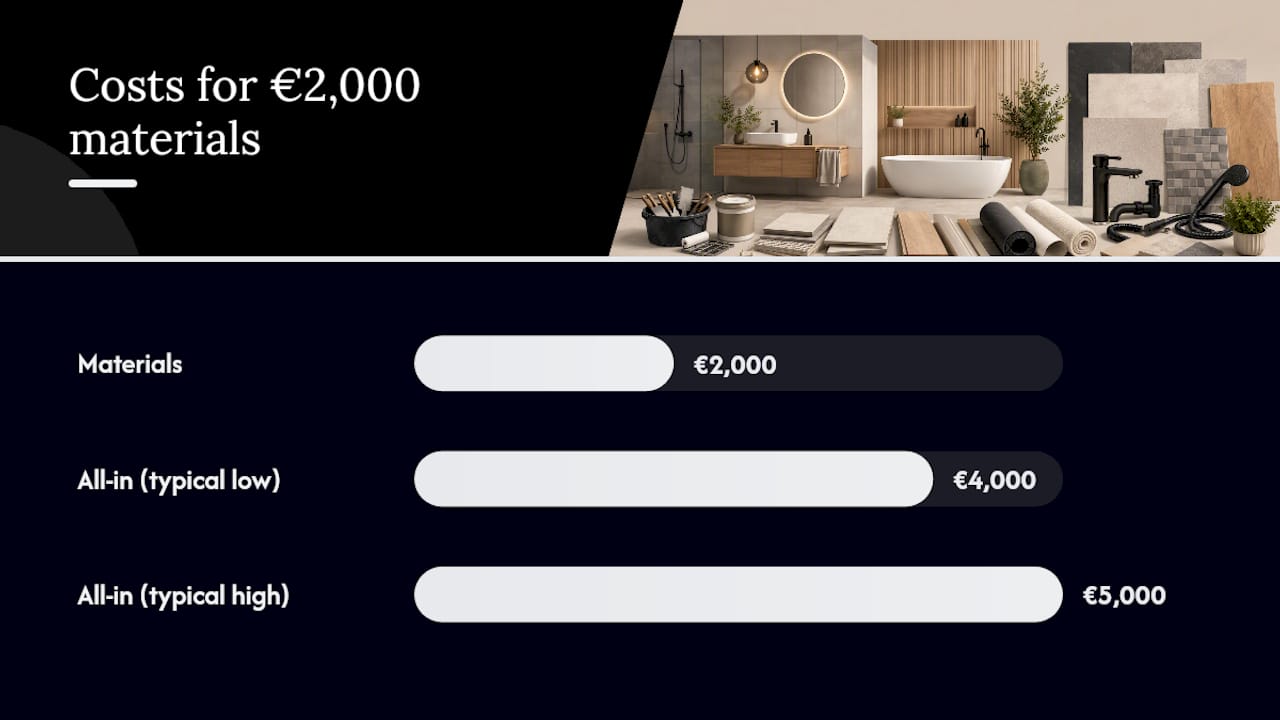
Labor typically doubles, sometimes triples, the material-only cost of a bathroom project in Latvia. If your materials list totals €2,000, expect a fully outsourced job to land closer to €4,000 to €5,000 once professional installation, plumbing connections, and finishing labor are added. That ratio holds fairly consistently across Latvian renovation cost reporting which repeatedly shows labor as the dominant driver of total project cost, not materials.
Some tasks are genuinely safe to handle yourself. Demolition, old tile removal, and painting walls or ceilings require patience more than expertise, and a step-by-step DIY approach can shave real money off your total. Other tasks are not worth the risk under any circumstance:
- Waterproofing: a single missed corner or seam can cause water damage that surfaces months later, often in the apartment below.
- Wastewater and drain connections: improper sealing here leads to leaks that are expensive to trace and repair after tiling is finished.
- Electrical work near wet areas: Latvian building code treats bathroom electrical circuits differently than dry rooms, and mistakes here are a safety issue, not just a cosmetic one.
A rough rule of thumb: take your total material cost and multiply by 1.8 to 2.2 to estimate the all-in project cost with professional labor included. If your materials come to €2,500, budget €4,500 to €5,500 total.
Pro Tip: Get your waterproofing inspected before the tiler starts. A five-minute check by a second contractor costs nothing compared to ripping out finished tile because the membrane failed.
Why Does Waterproofing Cost So Much to Get Wrong?
Waterproofing, or hidroizolācija, typically adds €150 to €350 to a bathroom renovation, a small fraction of the total budget. Skipping it or doing it poorly is where Latvian homeowners lose the most money after the fact, since industry guidance consistently flags contingency and waterproofing failures as the two biggest sources of budget overruns.
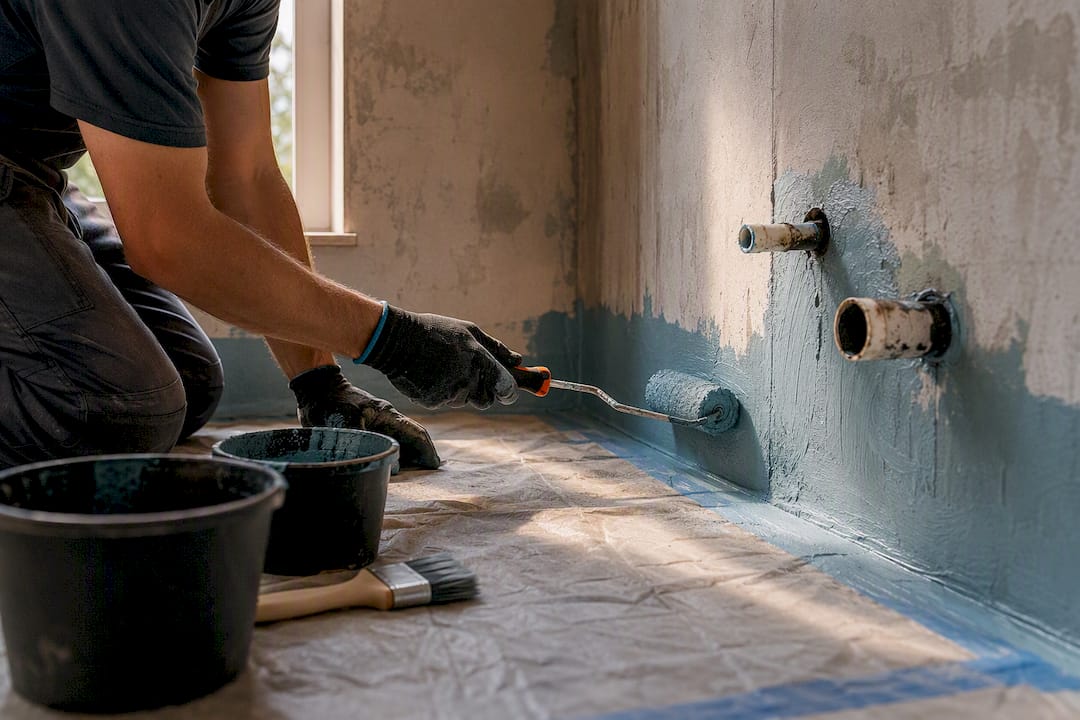
Most Latvian bathrooms use a liquid membrane system applied in two coats under the tile, particularly around the shower drain, tub edges, and any wall penetration for pipes. Cheaper single-coat applications exist but leave less margin for error during installation.
When waterproofing fails, water seeps into subfloor and wall cavities, often invisible until mold, discoloration, or a complaint from a downstairs neighbor forces the issue. Repairing that damage means tearing out finished tile and starting the wet-area work over, adding both cost and months of disruption on top of the original budget.
Before signing a quote, ask for three specifics:
- Which waterproofing product or system the contractor uses by name
- How many coats or layers are applied, and the drying time between them
- Whether the work carries a written warranty, and for how long
Where to Buy Bathroom Fixtures and Materials in Latvia
Fixture choices swing your total more than almost any other decision. A standard acrylic bathtub and a stone-composite tub can differ by hundreds of euros, and the same spread applies to shower enclosures, smart toilets, and faucet lines. Radiators and heated towel rails are another category where price and quality diverge sharply.
Where to spend more and where to economize comes down to lifespan and daily use:
- Worth paying more for: faucets and mixing valves (these fail often and are disruptive to replace later), waterproofing materials, and shower enclosures with quality seals.
- Safe to economize on: wall tile in low-traffic areas, basic towel bars, and standard toilet models without smart features.
- Bathtubs: a stone-composite tub holds heat longer and resists scratching better than acrylic, which matters if you’re keeping the bathroom for a decade or more.
Santehnikasveikals.lv organizes its catalog by category, bathtubs, shower cabins, toilets, faucets, and heating fixtures, with listed prices on each product page. Building your materials list there before requesting contractor quotes gives you a real number to compare against, rather than a guess.
| Point | Details |
|---|---|
| Fixtures drive budget swings | Bathtub, shower, and toilet choice account for the widest cost range in any renovation. |
| Price out before you quote | Use product pages to total materials cost first, then request labor-only quotes separately. |
| Spend on what fails often | Faucets and shower seals justify a higher budget; wall tile in low-traffic zones doesn’t. |
Does Renovating in Riga Cost More Than in Smaller Towns?
Labor rates, disposal fees, and delivery costs all run higher in Riga and Pierīga than in smaller regional towns, simply because contractor demand and cost of living are higher in the capital region.
Contingency planning matters more than location, though. The standard guidance is to reserve 10 to 15% of your total budget, according to 15% for unexpected costs, hidden pipe corrosion, uneven subfloors, or electrical wiring that needs updating to meet code.
- You live in an older building, including 602-series apartment blocks, where plumbing and structural surprises are more common
- You’re moving fixtures to a new layout, which often means opening walls or floors that haven’t been touched in decades
- Your renovation timeline stretches over several months, exposing you to material price shifts
Track material price movement through the Central Statistical Bureau of Latvia, which publishes consumer price data covering construction materials, and cross-check broader trends against Eurostat’s price indices if you want EU-wide context.
What Financing Options Exist for Bathroom Renovations in Latvia?
Most Latvian homeowners finance renovations through a personal loan, a home equity line tied to their existing mortgage, or in some cases a renovation-specific credit product offered by local banks and credit unions. Market guidance for 2026 points to labor costs as the dominant factor lenders and borrowers underestimate when sizing a loan.
Lenders and credit providers typically want three documents before approving renovation financing:
- An itemized contractor quote broken down by task, not a single lump sum
- A realistic project timeline, since lenders often disburse funds in stages tied to milestones
- Invoices or receipts for materials already purchased, if you’re financing a partially started project
A simple decision rule helps here: if your renovation cost sits below what you can save in three to four months, consider staging the work in phases instead of borrowing. If the full project exceeds that threshold, and especially if you’re addressing a failing waterproofing system or corroded pipes that can’t wait, financing the full scope up front usually costs less overall than repeated partial repairs.
How Do You Get Accurate Quotes From Contractors?
A comparable quote lists five things: full scope of work, named materials and brands (not “standard tile” but the actual product), labor priced by task or unit, a realistic timeline, and warranty terms on both labor and waterproofing.
Ask every contractor these same questions so you can compare answers directly:
- What waterproofing system do you use, and how many coats?
- Is disposal of old materials included in your price?
- What happens if you find pipe damage once demolition starts?
- How long is your labor warranty, separate from any manufacturer warranty on fixtures?
To normalize offers fairly, specify the same tile, grout, and waterproofing product to every bidder. That way, price differences reflect labor and scheduling, not one contractor quietly substituting cheaper materials to win the bid.
Pro Tip: Request that every quote separate labor from materials, even if you’re buying materials yourself. It’s the only way to see whether one contractor’s price is actually competitive.
Smart Ways to Cut Costs Without Cutting Corners
Mixing premium and standard items stretches a budget further than buying everything at one price tier. Spend more on the faucet you touch daily; spend less on wall tile behind the door.
- Keep the existing plumbing layout. Moving a toilet or shower drain is consistently the costliest single change you can make to a renovation.
- Time material purchases around seasonal sales, and combine deliveries for tile, fixtures, and fittings into one trip to save on delivery fees.
- DIY demolition and painting; leave waterproofing, plumbing connections, and electrical work to licensed professionals, since rework from DIY mistakes in those areas usually costs more than the original labor quote would have.
- Buy fixtures in bulk if renovating multiple bathrooms, or combine an order with a neighbor to hit free-delivery thresholds.
What Renovation Mistake Do Latvian Homeowners Repeat Most?
The mistake I see referenced most often in Latvian renovation guides is skipping or shortcutting waterproofing to save a few hundred euros, then paying several times that amount to fix water damage months later once tile is already down. The lesson holds regardless of budget size: waterproofing is the one line item where cutting corners costs more than it saves, every time.
— Renate
Turn Your Materials List Into an Order With Santehnikasveikals.lv
Once you know your line-item budget, the next step is pricing real products, not estimates. Santehnikasveikals.lv gives you that step done for you: browse bathtubs, shower enclosures, toilets, faucets, and heating fixtures by category, with listed prices on every product page, so you can total your actual materials cost before you ever call a contractor.

Start with a stone-composite bathtub if you’re weighing tub options, or check a larger sizing variant if your layout allows more room. Add smaller components, like a WC connection fitting, to round out your list before requesting labor quotes. This covers materials and delivery across Latvia, not installation, so you’ll still want a contractor quote for the labor side. Build your list, get your materials total, then use that number to compare contractor bids on equal footing.
Where to Verify These Figures and Keep Planning
Check the Central Statistical Bureau of Latvia for current consumer price data on construction materials. For DIY-safe tasks, review cost-saving plumbing tactics and financing guidance for 2026 before committing to a loan or full-scope contractor.
Sources
- Vannas istabas remonts, kādas ir izmaksas Latvijā — Elizings
- Central Statistical Bureau of Latvia — Consumer prices
- Aizdevums vannas istabas remontam: Pilnīgs ceļvedis un izmaksu plānošana 2026 | Finlat
- Cik izmaksā vannas istabas remonta izmaksas — Comperia
Recommended
- Cost-Saving Plumbing Ideas That Actually Work in 2026 | Santehnikasveikals.lv
- Smart Plumbing Advantages for Homeowners in 2026 | Santehnikasveikals.lv
- Plumbing Regulations 2026: What Builders Must Know | Santehnikasveikals.lv
- Step by Step Interior Plumbing Design for Homeowners | Santehnikasveikals.lv
Palikite komentarą