




















































Advantages of Modern Sinks for Your Home Renovation
TL;DR:
- Modern sinks combine durable materials, ergonomic design, and seamless aesthetics to improve kitchen and bathroom function. They feature innovations like workstation layouts that save space and integrated construction that enhances hygiene and simplifies cleaning. Selecting the right sink involves matching material, size, and style to your workflow and space for long-lasting satisfaction.
Modern sinks are defined as multifunctional fixtures that combine material durability, ergonomic design, and seamless aesthetics to improve daily kitchen and bathroom use. The advantages of modern sinks go well beyond looks. Standards like 16-gauge stainless steel set the benchmark for impact resistance, while integrated designs and workstation formats have turned the sink into a central hub of kitchen workflow. Sinks have evolved into design statements that directly affect home value. If you are planning a renovation or upgrade, the sink deserves more attention than most homeowners give it.
1. Advantages of modern sinks: workstation designs that save space
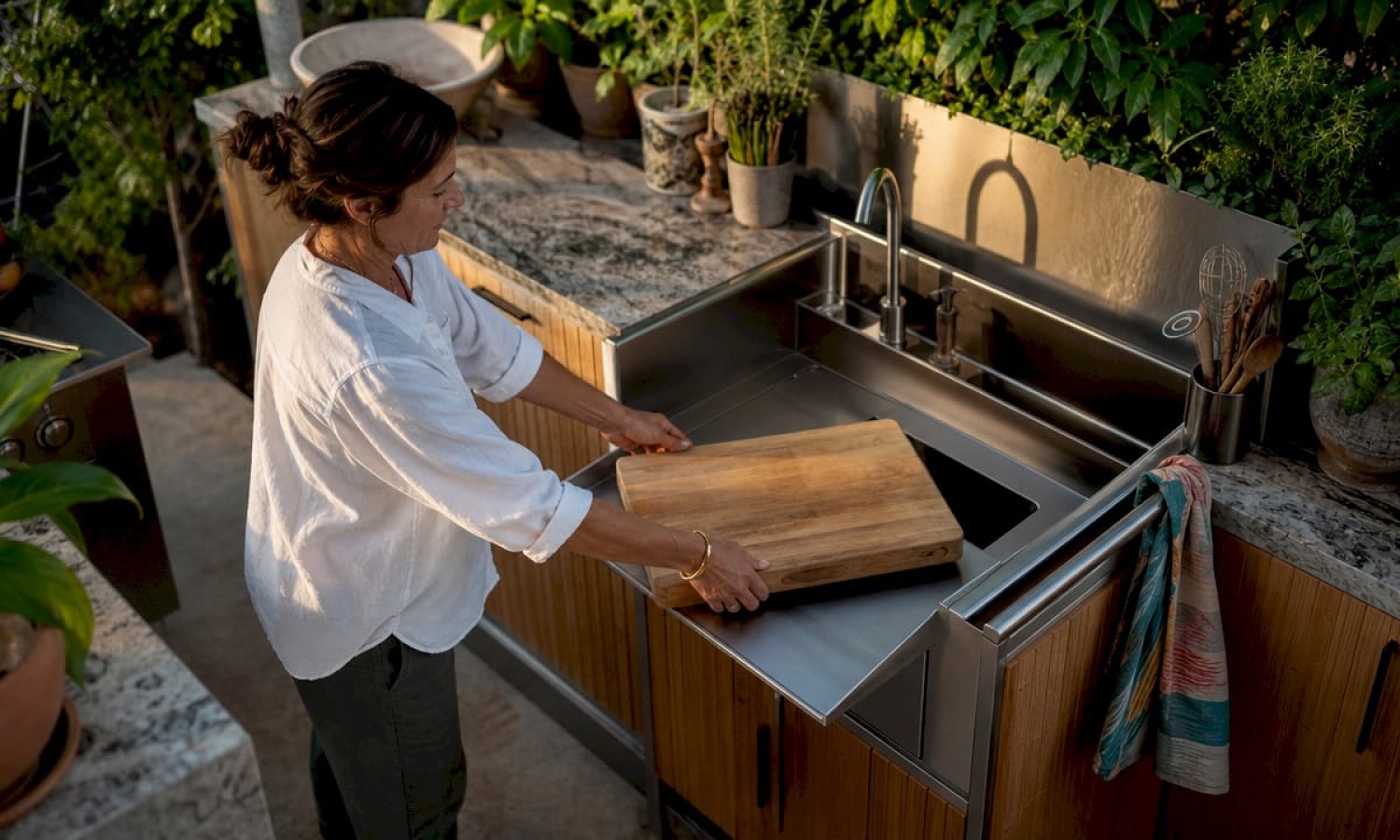
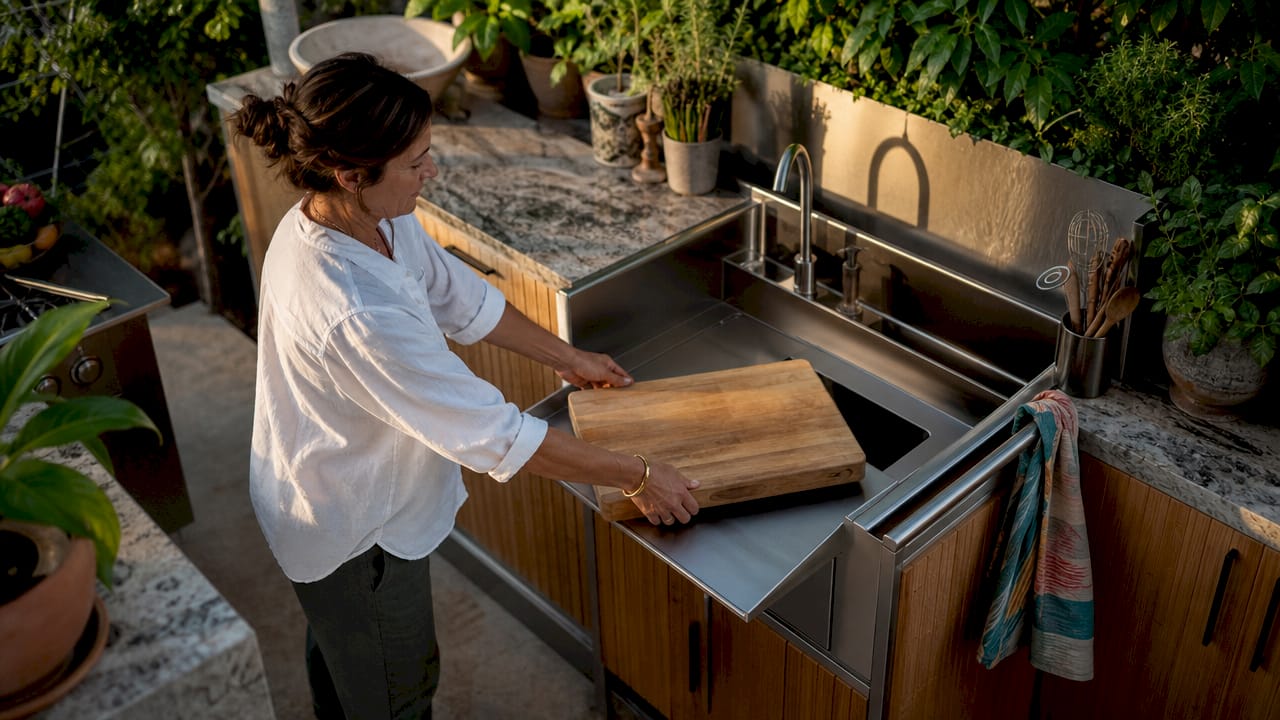
Workstation sinks are the single biggest shift in kitchen sink design over the past decade. They combine washing, food prep, and drying into one organized zone, eliminating the need to shuffle between multiple areas of the counter.
The key feature is the integrated ledge built into the top rim of the sink. This ledge holds accessories like cutting boards, colanders, and drying racks directly over the basin. Workstation sinks save 20–30% of usable countertop space compared to traditional sinks. That is a meaningful gain in a small kitchen where every inch counts.
The workflow benefit is just as significant. You can rinse vegetables, slide them onto a cutting board positioned over the basin, and drain the scraps directly into the sink without moving anything across the counter. Busy households with limited prep space gain the most from this format.
- Integrated ledges support cutting boards, colanders, and drying racks
- Prep, wash, and drain tasks happen in one zone
- Reduces clutter and keeps the counter clear during cooking
- Ideal for kitchens under 150 square feet
- Accessories are typically interchangeable and dishwasher safe
Pro Tip: Before buying a workstation sink, check whether the accessory ledge is wide enough to hold a full-size cutting board. Some models use a narrow ledge that only fits proprietary accessories, which limits your options later.
2. Hygiene and seamless design with integrated sinks
Integrated sinks are made from the same material as the surrounding countertop, whether that is quartz, granite, or solid surface. There is no rim, no caulk line, and no gap between the sink and counter. That matters more than most homeowners realize.
Traditional undermount sinks rely on a bead of silicone sealant around the rim. That sealant degrades over time, creating gaps where water, food particles, and mold accumulate. Integrated sinks eliminate this rim entirely, removing the most common source of kitchen bacteria buildup. Cleaning becomes a single wipe across a continuous surface.
Stone integrated sinks are multi-piece builds with color-matched seams that bond under the countertop cutout without mounting clips. This construction prevents the rim failures and mold issues found in standard undermount installations. The result is a surface that stays cleaner with less effort.
- No rim or caulk line means no hidden bacteria traps
- Continuous surface wipes clean in one pass
- No re-sealing required over time
- Minimalist appearance suits modern and Scandinavian kitchen styles
- Color-matched seams make the sink nearly invisible in the counter
Pro Tip: If you are choosing an integrated sink in a light color like white quartz, ask your fabricator about stain resistance ratings. Some solid surface materials absorb coffee and wine more readily than others.
| Feature | Integrated sink | Undermount sink |
|---|---|---|
| Rim and seam | None | Silicone bead required |
| Bacteria risk | Very low | Moderate (sealant gaps) |
| Maintenance | Wipe clean | Periodic re-sealing |
| Visual style | Seamless, minimalist | Clean but visible edge |
| Cost | Higher | Lower to moderate |
3. Durability and material advantages of modern sinks
Material choice determines how long a sink lasts and how much work it takes to keep it looking good. Three materials lead the market for modern kitchen sinks: 16-gauge stainless steel, fireclay, and granite composite.
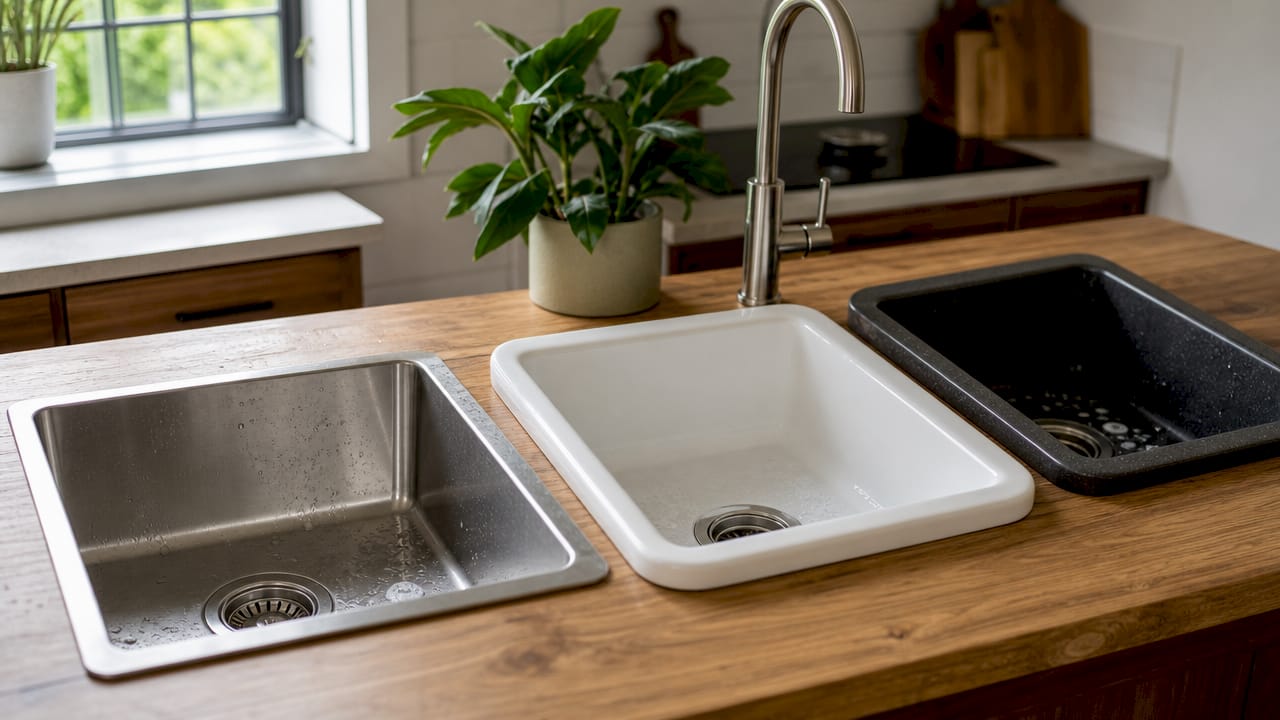
16-gauge stainless steel is the industry standard for durability. The gauge number refers to the thickness of the steel sheet. A lower number means thicker steel, so 16-gauge is noticeably more rigid than the 18-gauge or 20-gauge steel found in budget sinks. It resists dents from dropped pots and handles daily abuse without warping.
Fireclay and granite composite each solve problems that stainless steel does not. Fireclay is fired at extremely high temperatures, making it resistant to chipping, staining, and heat. Granite composite adds scratch resistance and sound dampening, which reduces the noise of running water and clattering dishes. Both materials come in a wider range of colors than stainless steel, giving homeowners more design flexibility.
| Material | Durability | Maintenance | Sound level | Best for |
|---|---|---|---|---|
| 16-gauge stainless steel | Very high | Low | Moderate | High-use family kitchens |
| Fireclay | High | Low to moderate | Low | Farmhouse and traditional styles |
| Granite composite | High | Low | Very low | Modern and minimalist kitchens |
4. Ergonomic features that improve daily use
The benefits of contemporary sinks show up most clearly in how they fit the way people actually cook and clean. Basin depth, shape, and built-in accessories all affect comfort during daily tasks.
Deeper, wider basins reduce splash and make it easier to wash large pots, sheet pans, and mixing bowls. A basin depth of 9–10 inches keeps water inside the sink even when rinsing bulky items. Shallower basins, common in older designs, force you to tilt large cookware at awkward angles.
Basin shape also matters. Single large basins give you maximum flexibility for oversized items. Divided basins let you soak dishes on one side while rinsing on the other. Offset dividers, where one basin is deeper than the other, offer a practical middle ground. The right choice depends on how your household actually uses the kitchen.
- Deep basins (9–10 inches) reduce splash and fit large cookware
- Single basins maximize flexibility for oversized items
- Offset dividers balance soaking and rinsing tasks
- Built-in drainboards eliminate the need for a separate drying rack
- Touchless faucet compatibility improves hygiene during food prep
5. Modern sink designs that match any kitchen style
Modern sink designs cover a wide range of aesthetics, from the bold farmhouse apron front to the understated flush-mount. This variety means you can find a sink that fits your kitchen without compromising on function.
Farmhouse sinks, also called apron-front sinks, expose the front face of the basin. They work well in kitchens with a traditional, rustic, or transitional style. They also offer a deeper basin than most standard sinks, which adds to their practical appeal. The modern kitchen functions as a social hub, and a farmhouse sink makes a visual statement that matches that role.
The rise of scullery spaces, sometimes called a dirty kitchen or prep kitchen, has changed how homeowners think about the main kitchen sink. Scullery layouts allow the main kitchen to feature a smaller, more refined sink as a design element rather than a workhorse. This trend gives homeowners more freedom to choose a sink based on aesthetics without sacrificing function.
6. How to choose the right modern sink for your kitchen
Choosing the right sink starts with one measurement most homeowners overlook. Correct sink sizing depends on base cabinet width, not just the countertop cutout. The internal cabinet walls determine the maximum sink size that will physically fit. Measuring only the cutout leads to installation problems that require costly adjustments.
Follow this process to narrow your options:
- Measure the interior width of the base cabinet, not the countertop opening.
- Subtract 2–3 inches from that measurement to get your maximum sink width.
- Decide on basin configuration: single, double, or offset double.
- Match the sink style to your kitchen’s overall design direction.
- Compare integrated versus undermount options based on your budget and maintenance priorities.
- Try to handle 2–3 sink types in person before buying, if possible, to assess depth and basin size.
For most family kitchens, high-quality undermount sinks deliver 95% of the aesthetic and functional benefits of integrated sinks at a significantly lower cost. Integrated sinks make the most sense when a minimalist, seamless look is the top priority. If your budget is limited, putting more money into countertops or cabinets often adds more visible value than upgrading to a fully integrated sink.
Farmhouse sinks suit kitchens with strong visual identities and homeowners who want the sink to be a focal point. Workstation sinks suit busy households that want to maximize prep efficiency. Matching the sink type to your actual cooking habits produces better long-term satisfaction than choosing based on appearance alone. You can also check plumbing regulations for 2026 before finalizing your installation plan, particularly if you are replacing an existing sink with a different configuration.
Key takeaways
The most effective modern sink upgrade combines the right material, basin configuration, and installation type to match your kitchen’s actual workflow and design priorities.
| Point | Details |
|---|---|
| Workstation sinks save space | Integrated ledges reduce countertop clutter by 20–30% compared to traditional sinks. |
| Integrated sinks cut maintenance | No rim or caulk line means no bacteria traps and no re-sealing over time. |
| Material determines lifespan | 16-gauge stainless steel, fireclay, and granite composite each offer distinct durability and style trade-offs. |
| Cabinet width drives sizing | Measure base cabinet interior width first to avoid costly installation adjustments. |
| Undermount sinks offer strong value | For most kitchens, undermount sinks deliver nearly the same result as integrated sinks at a lower cost. |
Why the sink is the last thing homeowners think about and the first thing they should
I have watched homeowners spend weeks choosing cabinet hardware and then pick a sink in five minutes. That order is backwards. The sink is the most used fixture in the kitchen. You touch it dozens of times a day. The cabinet pull gets touched twice.
What I have seen consistently is that homeowners who choose a sink based on looks alone end up frustrated within a year. The basin is too shallow for their largest pot. The material shows water spots constantly. The caulk line turns gray by month six. These are not small annoyances. They affect how much you enjoy your kitchen every single day.
The material conversation matters more than most renovation guides admit. Stainless steel is forgiving and practical, but it shows scratches over time in a way that granite composite simply does not. Fireclay looks stunning but chips if you drop a cast iron pan directly into it. Knowing these trade-offs before you buy saves real money and real frustration.
My honest recommendation: treat the sink selection with the same seriousness as the countertop. They share the same visual plane. They get the same daily abuse. A sink that fits your workflow and your style will make your kitchen feel better every morning, not just on the day it was installed.
— Renate
Santehnikasveikals has the modern sinks your renovation needs
Upgrading your kitchen or bathroom sink is one of the highest-return changes you can make in a renovation. The right sink improves workflow, reduces cleaning time, and lifts the entire look of the room.

Santehnikasveikals carries a wide selection of modern sinks and plumbing fixtures to match every kitchen style and budget, from workstation formats with integrated accessories to farmhouse apron-front designs in fireclay and stainless steel. The catalog includes matching faucets, drain accessories, and installation hardware so you can source everything in one place. Delivery is available across Latvia. If you need help choosing the right sink for your space, the Santehnikasveikals team is available to advise.
FAQ
What are the main advantages of modern sinks?
Modern sinks offer better space efficiency, easier cleaning, and longer material lifespan than traditional designs. Key benefits include workstation ledges, seamless integrated builds, and durable materials like 16-gauge stainless steel and granite composite.
Are integrated sinks worth the extra cost?
For most family kitchens, high-quality undermount sinks deliver 95% of the functional and aesthetic benefits of integrated sinks at a lower price. Integrated sinks are worth the premium only when a fully seamless, minimalist look is the top priority.
What material is best for a modern kitchen sink?
16-gauge stainless steel leads for durability and low maintenance in high-use kitchens. Granite composite adds sound dampening and scratch resistance. Fireclay suits traditional and farmhouse styles with strong heat and stain resistance.
How do I size a modern sink correctly?
Measure the interior width of the base cabinet, not the countertop cutout. Subtract 2–3 inches from that measurement to get the maximum sink width that will fit without installation problems.
What is a workstation sink?
A workstation sink is a kitchen sink with an integrated ledge that holds accessories like cutting boards, colanders, and drying racks directly over the basin. It combines prep, washing, and drying in one zone and saves 20–30% of usable countertop space.
Palikite komentarą