





















































What Is HVAC? A Clear Guide for Homeowners

TL;DR:
- HVAC is an integrated system that manages indoor temperature, humidity, and air quality in homes. It includes heating, ventilation, and air conditioning functions, with components like furnaces, ducts, filters, and thermostats working together. Proper maintenance and system assessment improve energy efficiency, indoor health, and comfort.
HVAC is defined as Heating, Ventilation, and Air Conditioning, the integrated system that regulates indoor temperature, humidity, and air quality in your home. Most homeowners interact with their HVAC system every single day without fully understanding what it does or how its parts connect. Knowing what is HVAC, how the components work together, and which type fits your home puts you in a much stronger position when it comes time to repair, replace, or upgrade. This guide covers the HVAC definition, system types, ventilation’s role in your health, and the practical steps to make a confident buying decision.
What is HVAC and what does the acronym mean?
HVAC stands for Heating, Ventilation, and Air Conditioning. The acronym covers three distinct functions: heating your home in winter, cooling it in summer, and continuously exchanging indoor air to remove pollutants and control humidity. Carrier, one of the largest HVAC manufacturers in the world, defines HVAC as the technology responsible for thermal comfort and air quality in residential and commercial buildings.
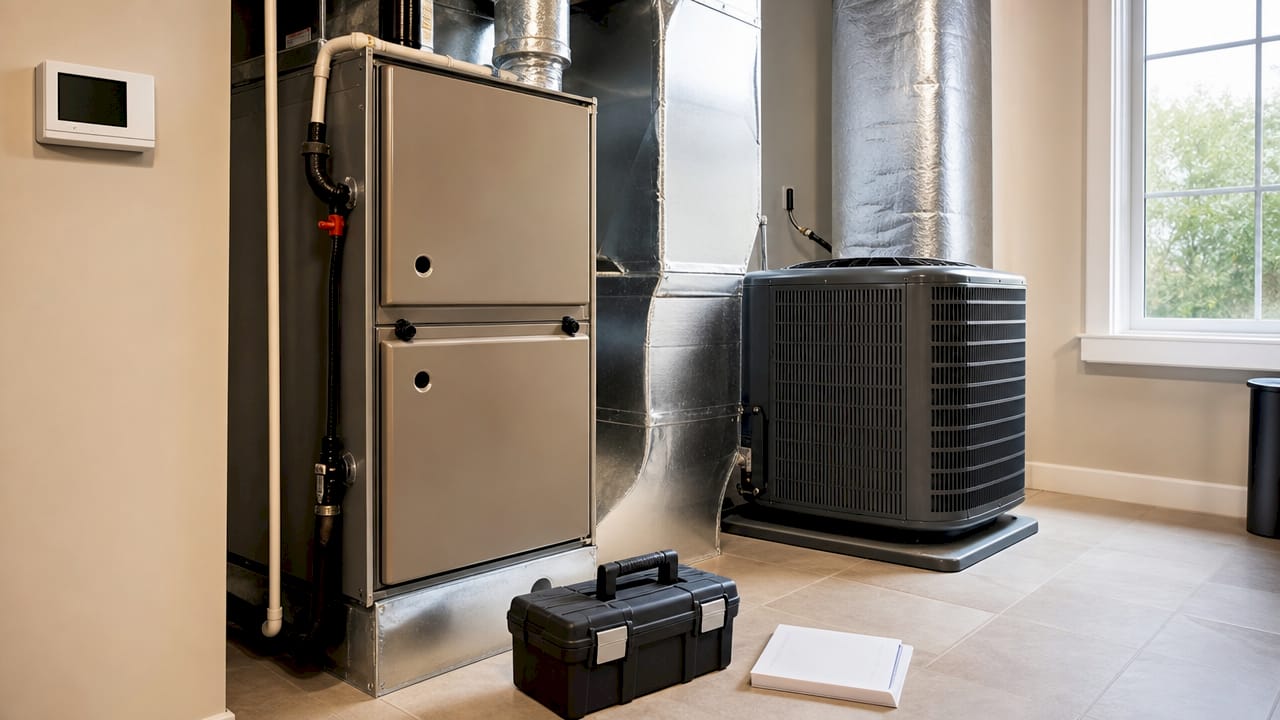
One common misconception is that HVAC and AC mean the same thing. Air conditioning is one component of HVAC focused on cooling. The full HVAC system also handles heating and ventilation, which are just as critical for year-round comfort and health. Treating them as the same thing leads homeowners to overlook ventilation problems and heating inefficiencies that cost real money.
What components make up an HVAC system?
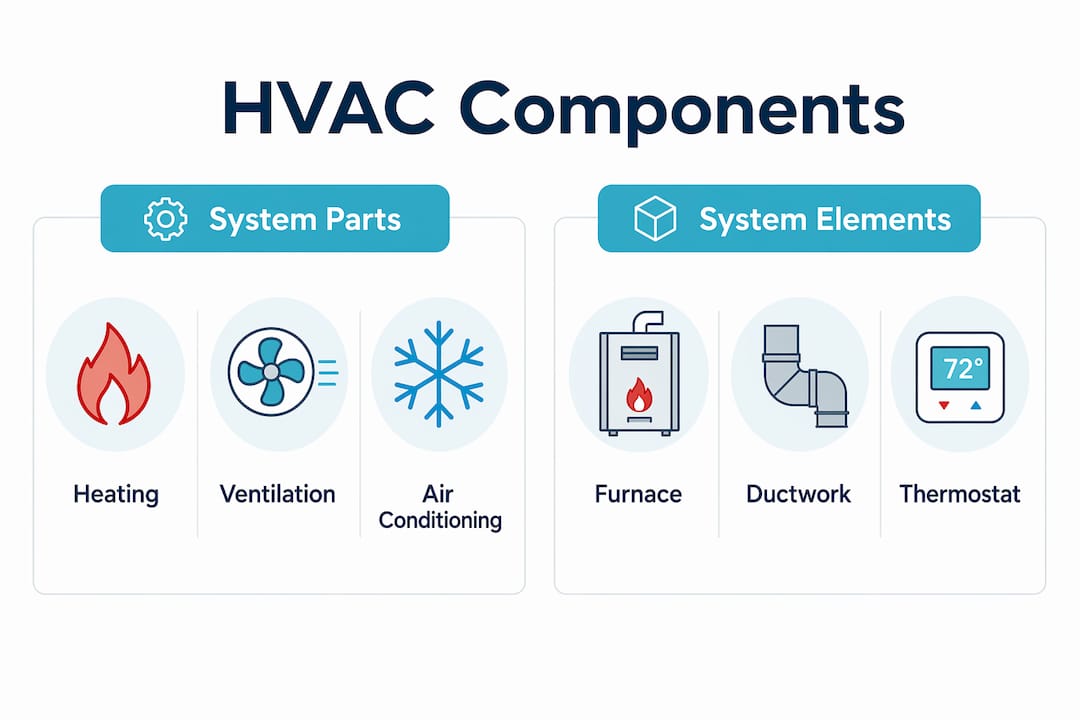
An HVAC system is composed of interconnected components including a heating unit, a cooling unit, ductwork, a thermostat, and filters. Each part has a specific job, and the system only performs well when all parts work together. Replacing one component without evaluating the others is a common and costly mistake.
Here is what each major component does:
- Heating unit: Furnaces burn natural gas or propane to heat air. Boilers heat water and distribute it through radiators. Heat pumps move heat from outside air into the home, even in cold weather.
- Cooling unit: The air conditioner removes heat from indoor air and expels it outside. It also dehumidifies the air as a byproduct of cooling.
- Ductwork: Ducts carry conditioned air throughout the home. Leaky or poorly insulated ducts waste a significant amount of energy.
- Thermostat: The thermostat is the control center. Smart thermostats like those from Ecobee or Nest can learn your schedule and cut energy use automatically.
- Air filters: Filters trap dust, pollen, and other particles before air circulates through your living spaces. A clogged filter forces the system to work harder and shortens equipment life.
There is also an important distinction between an HVAC system and an HVAC unit. The system includes ductwork and controls, while a unit refers to a single piece of equipment like a furnace or air conditioner. Replacing just the unit without evaluating the system can lead to inefficiency and higher operating costs.
Pro Tip: Schedule a professional system balance check every two years. An unbalanced installation can create pressure imbalances and moisture buildup that damage walls and reduce air quality.
What are the main types of HVAC systems for homes?
Four main types of residential HVAC systems exist: split systems, hybrid systems, duct-free systems, and packaged units. Each suits a different home size, budget, and climate. Choosing the wrong type leads to higher bills and uneven comfort.
| System type | How it works | Best for | Key trade-off |
|---|---|---|---|
| Split system | Separate indoor and outdoor units connected by refrigerant lines | Most single-family homes | Requires existing ductwork |
| Hybrid system | Heat pump paired with a gas furnace; switches based on outdoor temperature | Climates with cold winters | Higher upfront cost |
| Duct-free (mini-split) | Wall-mounted units heat or cool individual rooms without ducts | Additions, older homes, apartments | Higher cost per zone |
| Packaged unit | All components in one outdoor cabinet | Homes with limited indoor space | Less flexible for zoning |
Energy efficiency ratings matter when comparing systems. For cooling, look at the SEER (Seasonal Energy Efficiency Ratio) rating. For heating, check the AFUE (Annual Fuel Utilization Efficiency) percentage. A higher number on either scale means lower operating costs over time.
Duct-free systems are worth serious consideration for older homes. Installing new ductwork in a historic building can cost more than the equipment itself. A mini-split from brands like Mitsubishi Electric or Daikin avoids that problem entirely and allows room-by-room temperature control.
How does ventilation affect indoor air quality and health?
Ventilation is the most overlooked part of any HVAC system. Effective ventilation replenishes oxygen and removes airborne contaminants including allergens, odors, and chemical pollutants. Without it, indoor air quality degrades quickly, especially in well-sealed modern homes.
Modern construction methods create tight building envelopes that trap stale air inside. Mechanical ventilation systems like Heat Recovery Ventilators (HRVs) and Energy Recovery Ventilators (ERVs) solve this problem. An HRV pulls fresh outdoor air in while capturing heat from the outgoing stale air, so you do not lose the energy you paid to generate. An ERV does the same but also transfers moisture, which is valuable in very dry or very humid climates.
Key ventilation benefits for homeowners include:
- Removal of volatile organic compounds (VOCs) from paint, cleaning products, and furniture
- Reduction of carbon dioxide buildup that causes fatigue and poor concentration
- Control of excess humidity that leads to mold growth
- Dilution of radon and other naturally occurring gases in certain regions
Carrier experts note that ventilation’s importance is often overlooked compared to heating and cooling components. That oversight shows up in homes where occupants feel stuffy or experience frequent respiratory issues despite having a functioning furnace and air conditioner.
Pro Tip: Replace HRV and ERV filters every three to six months. A clogged ventilation filter defeats the purpose of the unit and can actually push contaminants back into your living space.
What are the benefits of a well-maintained HVAC system?
Efficient HVAC maintenance improves energy savings, comfort, indoor air quality, and extends equipment lifespan. The benefits compound over time. A system that receives annual tune-ups consistently outperforms a neglected one, even if the neglected system has newer equipment.
- Year-round comfort. A properly sized and maintained system holds your home at a consistent temperature without hot or cold spots. Oversized systems short-cycle, meaning they turn on and off too quickly to properly dehumidify the air.
- Lower energy bills. Clean filters, sealed ducts, and calibrated thermostats reduce the energy the system needs to reach your target temperature. The savings are real and recurring.
- Better indoor air quality. Regular filter changes and duct cleaning reduce the concentration of dust, mold spores, and allergens circulating through your home. This matters most for households with asthma or allergy sufferers.
- Longer equipment life. A furnace or air conditioner that runs efficiently under clean conditions lasts significantly longer than one that strains against dirty filters and leaky ducts.
- Environmental impact. Lower energy consumption means a smaller carbon footprint. Many regions also offer rebates for high-efficiency HVAC upgrades, making the environmental choice the financially smart one too.
HVAC systems are increasingly seen as critical for indoor health and regulatory compliance, not just comfort. Building codes in many jurisdictions now require minimum ventilation rates and energy efficiency standards for new installations.
What should homeowners consider before installing or upgrading?
Replacing an HVAC system is one of the largest home improvement investments you will make. Getting it right requires more than picking a unit with a good SEER rating.
- Get a full system assessment. A qualified technician should evaluate your ductwork, insulation, and existing controls before recommending new equipment. Replacing only the unit without considering system balance often results in inefficiency and shortened equipment lifespan.
- Seal and insulate your ducts first. Many older homes lose 20–30% of conditioned air due to duct leakage. Sealing ducts often yields better energy savings than upgrading to a higher-efficiency unit.
- Check efficiency ratings. For air conditioners, a SEER rating of 16 or higher qualifies for most utility rebates. For furnaces, an AFUE of 90% or above means 90 cents of every dollar spent on fuel becomes heat.
- Verify compatibility. A new high-efficiency heat pump may not work correctly with your existing thermostat wiring. Confirm compatibility before purchasing.
- Research incentives. Federal tax credits and local utility rebates can significantly reduce the cost of qualifying high-efficiency systems. Check with your utility provider and the ENERGY STAR program before finalizing your purchase.
- Do not skip ventilation. Many homeowners replace the furnace and AC but leave the ventilation system untouched. If your home is tightly sealed, adding or upgrading an HRV or ERV at the same time makes the investment far more effective.
For homeowners navigating 2026 building code requirements, understanding how ventilation standards interact with HVAC installation rules is worth reviewing before signing any contractor agreement.
Key Takeaways
A well-functioning HVAC system requires coordinated heating, ventilation, and air conditioning components, and neglecting any one of the three undermines the performance of the other two.
| Point | Details |
|---|---|
| HVAC covers three functions | Heating, ventilation, and air conditioning work together as one integrated system. |
| System vs. unit distinction | Replacing only a unit without evaluating ductwork and controls leads to inefficiency. |
| Ventilation is non-negotiable | HRVs and ERVs maintain healthy air quality in modern tight homes. |
| Duct leakage is a top energy drain | Sealing ducts often saves more energy than upgrading to a higher-SEER unit. |
| Maintenance extends lifespan | Annual tune-ups and filter changes protect your investment and lower operating costs. |
HVAC as a health system, not just a comfort feature
People tend to think of HVAC as a luxury until the heat goes out in january or the AC fails in july. I have seen this pattern repeatedly, and it points to a fundamental misunderstanding of what these systems actually do.
The ventilation component is where most homeowners leave real value on the table. Heating and cooling get all the attention because their failure is immediately obvious. Poor ventilation fails silently. You do not notice it until someone in the household develops chronic respiratory issues or you find mold behind a wall.
The other thing I would push back on is the instinct to replace rather than maintain. A well-maintained 10-year-old system with sealed ducts and clean filters will outperform a brand-new unit dropped into a leaky, unbalanced duct system. The equipment is rarely the problem. The system around it usually is.
Emerging technology is shifting the conversation. Smart thermostats, variable-speed compressors, and connected air quality monitors are making it easier to see exactly how your system performs in real time. That data changes behavior. Homeowners who can see their air quality score on a phone app actually change their filters on schedule.
My honest recommendation: treat your HVAC system the way you treat your car. Regular service, not emergency repairs. The cost difference over a decade is substantial.
— Renate
Quality heating and climate control products at Santehnikasveikals
Santehnikasveikals carries a wide selection of heating and climate control products for homeowners upgrading or building from scratch.

The Santehnikasveikals online store stocks electric radiators, ventilation components, and heating accessories suited for both full system installations and targeted room upgrades. The ADAX NEO electric radiator is a practical option for homeowners adding supplemental heat to a room without extending existing ductwork. Browse the full heating product catalog at Santehnikasveikals to compare options, check specifications, and place an order with delivery across Latvia.
FAQ
What does HVAC stand for?
HVAC stands for Heating, Ventilation, and Air Conditioning. The system manages indoor temperature, humidity, and air quality as a single integrated unit.
Is HVAC the same as an air conditioner?
No. Air conditioning is one component of an HVAC system focused on cooling. A full HVAC system also includes heating and ventilation, which handle warmth and fresh air exchange.
How often should an HVAC system be serviced?
Most HVAC systems need professional service once a year, typically in spring for cooling and fall for heating. Filters should be checked and replaced every one to three months depending on household conditions.
What is the difference between an HRV and an ERV?
A Heat Recovery Ventilator (HRV) exchanges stale indoor air for fresh outdoor air while recovering heat. An Energy Recovery Ventilator (ERV) does the same but also transfers moisture, making it better suited for very dry or very humid climates.
How do I know if my HVAC system is the right size?
A qualified HVAC technician performs a Manual J load calculation to determine the correct system size for your home. An oversized system short-cycles and fails to dehumidify properly, while an undersized one runs constantly without reaching the target temperature.
Palikite komentarą