



















































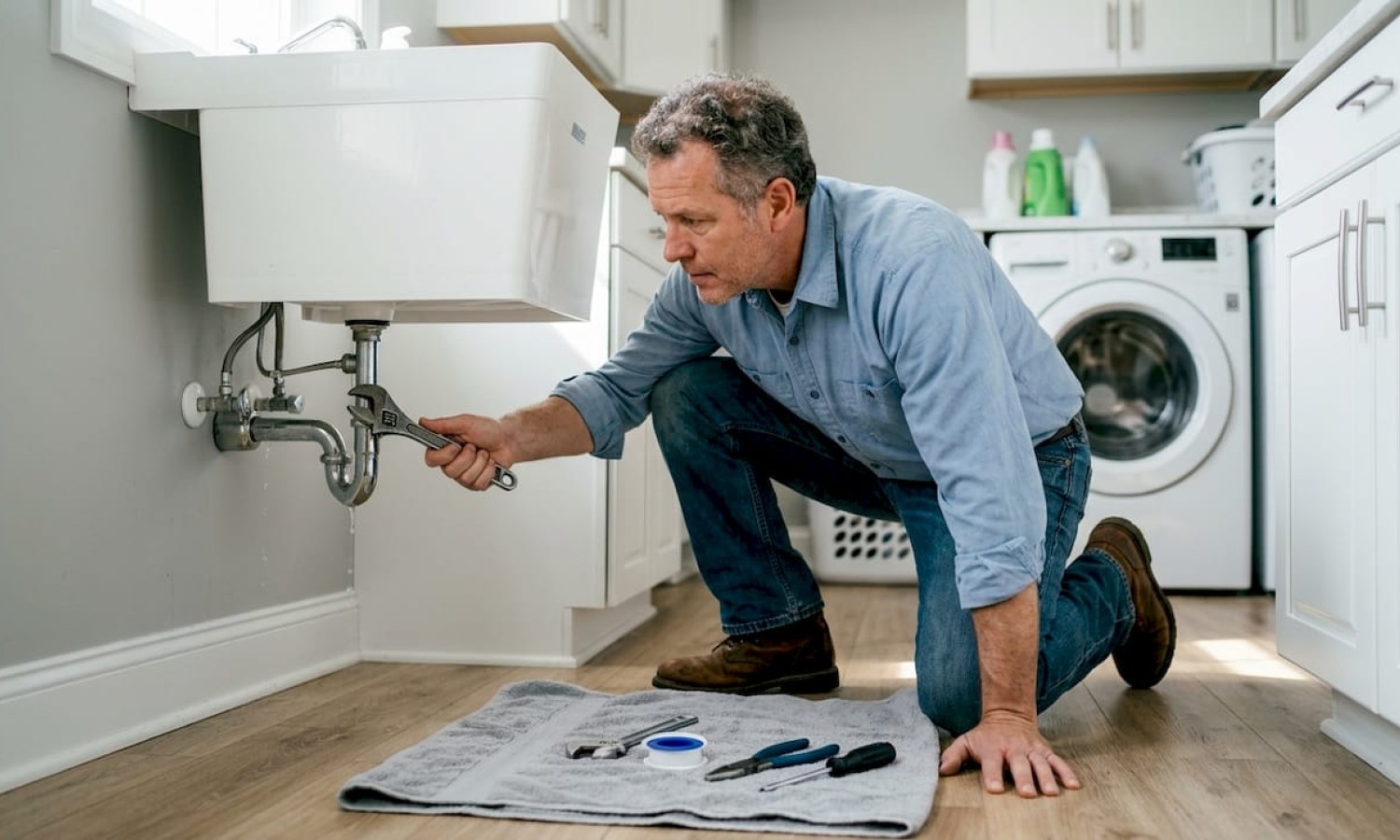

Cost-Saving Plumbing Ideas That Actually Work in 2026
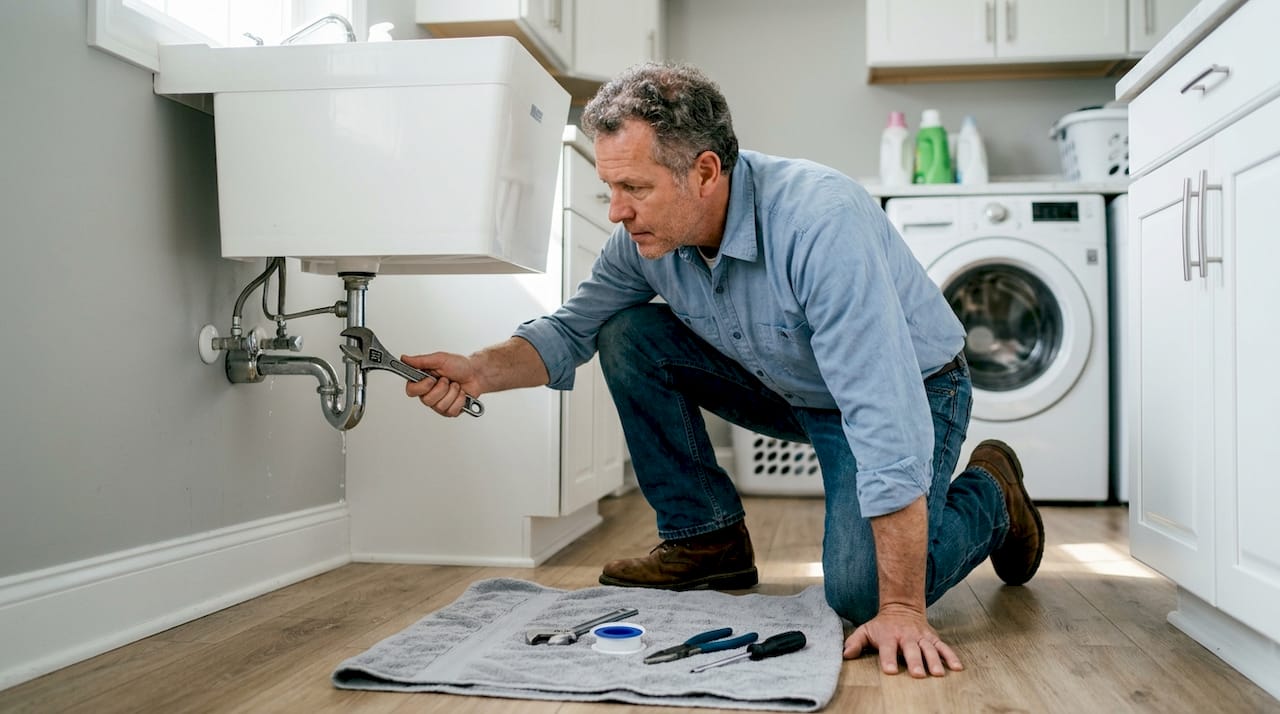
TL;DR:
- Homeowners can significantly reduce plumbing costs through DIY repairs, preventive maintenance, and standard fixtures. Consistent self-inspections and targeted fixes prevent most emergencies, saving thousands annually. Choosing fixtures with replaceable parts and avoiding plumbing relocations keeps remodels affordable and long-term costs low.
Cost-saving plumbing ideas are practical techniques that reduce what you spend on repairs, maintenance, and upgrades by combining DIY tasks, preventive care, and smart product choices. The median DIY plumbing repair saves homeowners $160 compared to calling a professional, with parts costing around $30 versus a $225 service bill. That gap adds up fast across a year of normal home maintenance. The industry term for this approach is preventive plumbing management, and it covers everything from monthly leak checks to choosing fixtures with standard replacement parts. Homeowners who apply these methods consistently spend far less on emergency repairs and avoid the stress that comes with unexpected plumbing failures.
1. Which DIY plumbing repairs save the most money?
DIY plumbing repairs deliver the biggest savings on running toilets, faucet cartridge replacements, clogged drain clearing, and shower valve cartridges. These four tasks account for the majority of common household plumbing calls, and all of them are accessible to a homeowner with basic tools and a 30-minute time window.
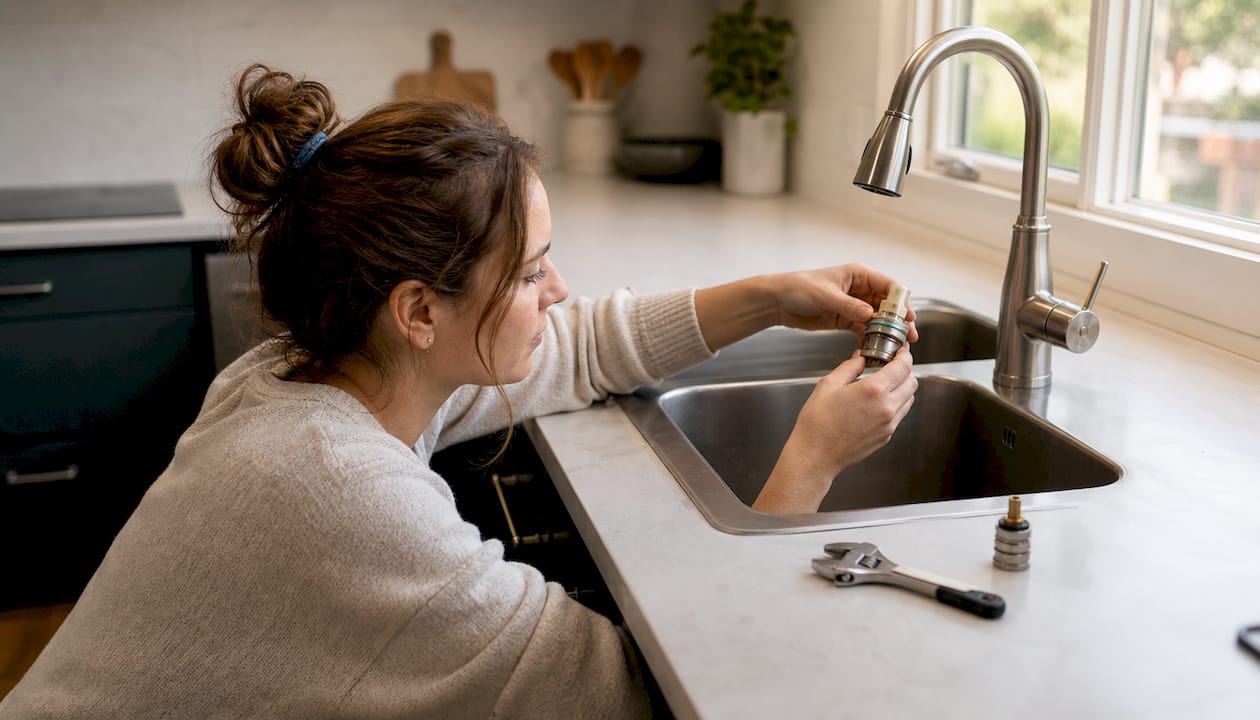
A running toilet fix costs roughly $10–$30 in parts and takes under an hour. A plumber charges $150–$225 for the same job. Shower and tub cartridge replacements show the sharpest contrast, with DIY parts averaging $25–$40 versus professional bills that regularly exceed $200. That represents a 71% saving on a single repair.
To do these repairs safely, you need a basic set of tools. Check out the must-have DIY tools list from Santehnikasveikals before you start any repair project.
DIY vs. professional repair: quick comparison
- DIY pros: Lower cost, immediate action, builds your knowledge of your own home
- DIY cons: Risk of incorrect diagnosis, potential for water damage if done wrong, no warranty on labor
- Professional pros: Guaranteed work, correct diagnosis, licensed and insured
- Professional cons: Higher cost, scheduling delays, service call fees even for minor fixes
Pro Tip: Turn off the water supply before opening any fixture. Locate your main shut-off valve before you need it in an emergency.
2. How does regular maintenance prevent costly plumbing emergencies?
Routine preventive maintenance prevents approximately 80% of common plumbing emergencies. That single statistic is the strongest argument for spending 15–20 minutes each month checking your home’s plumbing instead of waiting for something to fail.
A structured monthly routine covers the most common failure points before they become expensive problems. Follow these steps each month:
- Check under sinks for drips, moisture, or soft cabinet floors that signal slow leaks.
- Run water in rarely used fixtures to prevent trap evaporation and sewer gas entry.
- Inspect toilet bases for any discoloration or soft flooring that indicates a wax ring leak.
- Test your water pressure with an inexpensive gauge. Pressure above 80 psi stresses pipes and shortens fixture life.
- Flush your water heater annually to remove sediment that reduces efficiency and causes premature failure.
- Winterize outdoor spigots before the first freeze by shutting off the interior valve and draining the line.
A professional plumbing inspection costs $150–$300 but can prevent repairs ranging from $5,000 to $10,000 from undetected leaks or drain backups. Preventive maintenance saves up to 70% compared to emergency repair costs. Scheduling one annual professional inspection alongside your monthly self-checks gives you the best of both approaches.
Pro Tip: Knowing your shut-off valve location and operating it within 30 seconds of a burst pipe can limit water damage to hundreds of dollars instead of thousands.
3. What cost-effective upgrades work during a bathroom refresh?
The single most powerful rule in budget bathroom renovation is the “wet wall” rule: keep your plumbing fixtures in their current positions. Moving a toilet, sink, or shower requires rerouting supply and drain lines, which involves demolition, permits, and skilled labor. The National Association of Home Builders estimates that avoiding plumbing relocation saves $2,000–$5,000 per bathroom remodel.
Working within the existing layout, you can transform a bathroom’s look and function for under $1,000. New faucets, updated cabinet hardware, a fresh toilet seat, and a modern showerhead all deliver visible results without touching a single drain line.
| Upgrade type | Typical cost | Plumbing moved? | Savings vs. full remodel |
|---|---|---|---|
| Cosmetic refresh (fixtures, finishes) | $300–$1,000 | No | $2,000–$5,000 |
| Partial remodel (tile, vanity, same layout) | $3,000–$7,000 | No | $1,000–$3,000 |
| Full remodel with plumbing relocation | $10,000–$20,000+ | Yes | Baseline |
When selecting new fixtures for a cost-effective bathroom upgrade, prioritize these factors:
- Standard part compatibility: Choose fixtures that use widely available cartridges and washers, not proprietary components.
- Finish durability: Brushed nickel and matte black finishes resist water spots and corrosion better than polished chrome in high-use bathrooms.
- Ease of access: Wall-mounted faucets look clean but complicate future repairs. Deck-mounted options are simpler to service.
Santehnikasveikals carries a wide selection of modern sink options with standard fittings that simplify future maintenance and keep long-term costs low.
4. How do product choices reduce long-term plumbing costs?
Fixtures with standard, easily replaceable parts cost less to maintain over time than fixtures with proprietary components. This is the most overlooked factor when homeowners shop for faucets and valves. A $300 faucet with a common ceramic cartridge will cost $15 to repair in five years. A $150 faucet with a proprietary valve body may cost $120 in parts alone, if the part is even still available.
Harsh chemical drain cleaners are one of the most common and costly mistakes homeowners make. Chemical cleaners damage pipes over time by corroding pipe walls, leading to leaks and expensive repairs. Enzyme-based drain cleaners and mechanical solutions like drain snakes and plungers are safer for your pipes and far cheaper over a lifetime of use.
Smart daily habits protect your plumbing system without any cost at all:
- Install drain strainers in every shower and tub to catch hair and debris before it builds up.
- Run hot water for 30 seconds after using the kitchen sink to flush grease through the drain.
- Never flush wipes, even those labeled “flushable,” as they cause blockages that cost hundreds to clear.
- Check washing machine hoses annually for cracks or bulging, and replace rubber hoses with braided stainless steel versions.
Pro Tip: Set aside a small monthly budget reserve for plumbing repairs. A small repair fund removes the pressure to delay fixes, and prompt repairs always cost less than deferred ones.
Key takeaways
The most effective way to reduce plumbing costs is to combine monthly self-inspections, targeted DIY repairs, and fixture choices that use standard replacement parts.
| Point | Details |
|---|---|
| DIY repairs save the most per job | Median savings of $160 per repair, with parts costing $30 vs. a $225 professional bill. |
| Preventive maintenance stops emergencies | Monthly 15–20 minute checks prevent approximately 80% of common plumbing failures. |
| Keep fixtures in place during renovations | Avoiding plumbing relocation saves $2,000–$5,000 per bathroom remodel. |
| Choose fixtures with standard parts | Standard cartridges and fittings cost a fraction of proprietary replacements over time. |
| Skip chemical drain cleaners | Enzyme-based and mechanical solutions protect pipe integrity and cost less long-term. |
What most homeowners get wrong about saving on plumbing
I’ve watched homeowners make the same expensive mistake repeatedly: they wait until a fixture fails completely before doing anything about it. A dripping faucet that runs for six months wastes water and corrodes the valve seat. By the time the homeowner calls for help, a $15 cartridge replacement has become a $200 valve body rebuild.
The second mistake is shopping by price alone. Buying the cheapest faucet at a big-box store feels like a win until you discover the replacement cartridge is a proprietary part that costs $80 and ships from overseas. Buying a mid-range fixture with a standard ceramic disc cartridge from a reputable supplier is almost always cheaper over a five-year horizon.
The third mistake is treating DIY and professional service as an either-or choice. The homeowners who spend the least on plumbing over time are the ones who handle simple repairs themselves and call a licensed plumber for anything involving supply line modifications, water heater replacements, or drain rerouting. Knowing that boundary saves money on both sides. You avoid botched DIY work that creates bigger problems, and you avoid paying professional rates for tasks that genuinely take 20 minutes with a wrench.
The detail most people overlook is knowing their home’s plumbing layout. Knowing where your shut-off valves are, which fixtures share a drain line, and where your water meter sits gives you a real advantage in any repair or emergency. That knowledge costs nothing and pays off every single time something goes wrong.
— Renate
Plumbing supplies that make budget repairs easier
Tackling plumbing repairs and upgrades yourself is only practical when you have the right parts on hand. Hunting for a replacement cartridge or a drain fitting at the last minute adds cost and delays a repair that should take an hour.

Santehnikasveikals stocks a full range of plumbing fixtures and parts suited for DIY repairs and budget bathroom upgrades, from standard faucet cartridges and drain fittings to complete shower enclosures and vanity units. The catalog covers both everyday replacement parts and quality fixture upgrades at prices that make preventive maintenance genuinely affordable. Delivery is available across Latvia, so you can order what you need and get the repair done without a trip across town.
FAQ
How much can DIY plumbing repairs save per job?
DIY plumbing repairs save a median of $160 per repair. Parts typically cost around $30, compared to a $225 professional service bill for the same fix.
What is the wet wall rule in bathroom renovation?
The wet wall rule means keeping plumbing fixtures in their existing positions during a remodel. Avoiding relocation saves $2,000–$5,000 per bathroom by eliminating demolition, pipe rerouting, and permit costs.
How often should I inspect my home’s plumbing?
A basic self-inspection takes 15–20 minutes and should happen monthly. An annual professional inspection catches issues that are harder to spot without specialized tools.
Are chemical drain cleaners safe to use regularly?
Chemical drain cleaners damage pipe walls over time and should not be used regularly. Enzyme-based cleaners and mechanical tools like drain snakes are safer and protect pipe integrity long-term.
What plumbing repairs should I always leave to a professional?
Leave water heater replacements, supply line modifications, and any work requiring permits to a licensed plumber. These jobs carry safety risks and legal requirements that make professional service the right call.
Atstājiet komentāru